Discover the Best States and Strategies for Finding Affordable Land for Sale Nationwide
Sekhem Capital Holdings
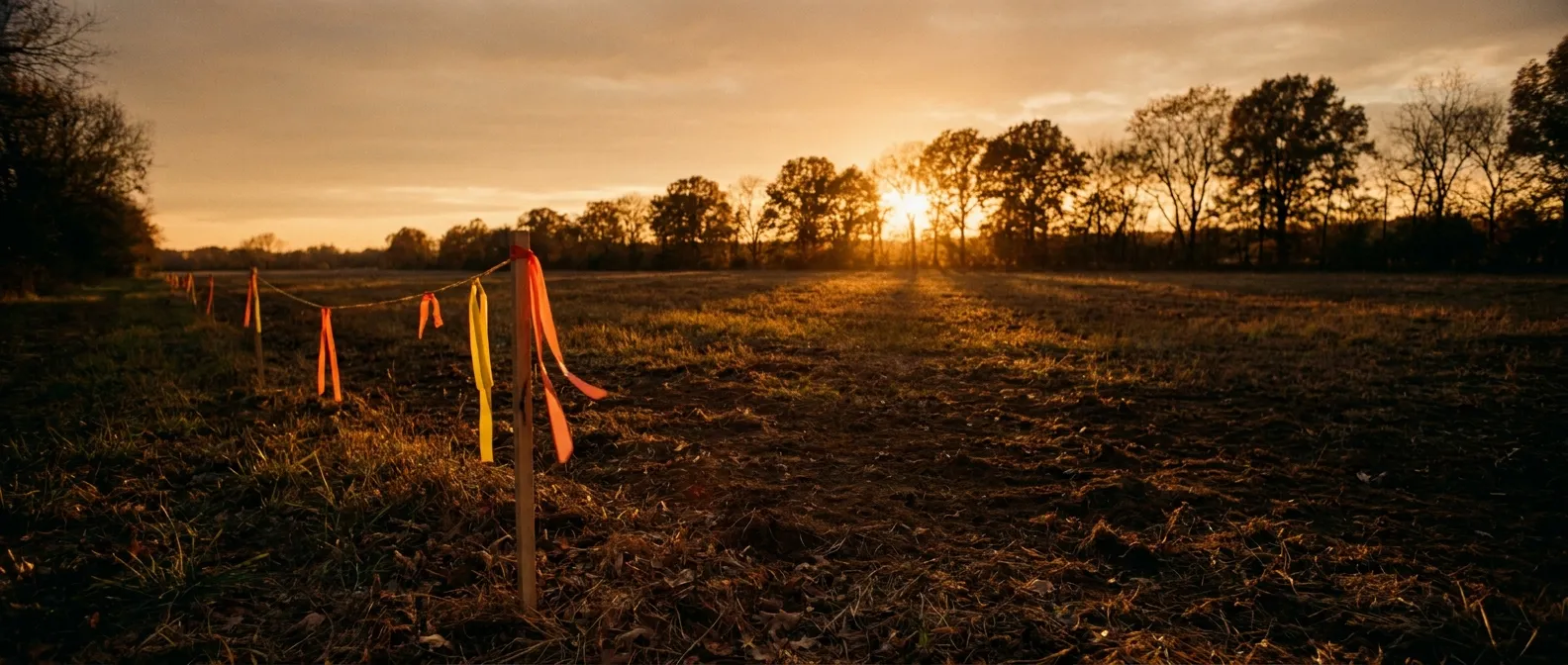
Finding affordable land for sale can feel like searching for a needle in a haystack. While the price tag might grab your attention, true affordability is about much more than cost per acre. Property taxes, zoning restrictions, road access, and utility connections can significantly influence both your budget and your future plans for the land. Overlooking these factors could turn a seemingly good deal into an expensive mistake.
Whether you want a rural getaway, land for building your dream home, or an investment property, knowing how to evaluate potential land deals is essential. Cheap land for sale can offer incredible opportunities, but it often comes with its own set of challenges. For example, is the land buildable? Will you need to cover unexpected expenses like clearing the title? These questions don’t just impact your purchase, they dictate the long-term value and usability of the property.
This article walks you through strategies for finding and evaluating affordable land across the country. You’ll learn how to uncover hidden costs, identify the best states for low-cost land, and determine which properties fit your needs. If you’re ready to make smart decisions and find land that aligns with your goals, this guide will point you in the right direction. Plus, if you want expert assistance, Sekhem Capital Holdings can make the process easier while helping you access the best land opportunities nationwide. Let’s dive into what really makes land affordable.
Why Finding Affordable Land for Sale Requires More Than a Low Price
The true meaning of affordability
When searching for affordable land for sale, it’s important to look beyond the price tag. True affordability involves understanding not only the purchase price but also the ongoing and hidden costs associated with the land. Factors like annual property taxes, road access, and utility connections significantly impact whether a piece of land fits your budget.
For instance, low-cost land in a remote area might come with high expenses for building roads or bringing in utilities like water and electricity. Additionally, property taxes can vary widely between states and even between counties. Over time, these expenses may outweigh the initial savings of a low purchase price, bringing the true affordability into question.
Evaluating long-term costs ensures you make an informed decision. By taking a holistic approach and researching these factors upfront, you can confidently invest in land that meets your long-term goals.
Common misconceptions about cheap land for sale
Buying cheap land doesn’t always mean you’re getting a good deal. Many land buyers fall into the trap of considering only the sticker price, without fully understanding the potential drawbacks. For example, some cheap properties could have limited or no road access, making them difficult to reach. Others might fall under zoning regulations that prevent certain uses, such as building a home or starting a farm.
Another common misunderstanding is assuming vacant land requires no maintenance. While undeveloped land isn’t as demanding as a residential property, maintenance tasks like clearing brush, keeping up fences, or managing drainage can incur ongoing costs.
Performing due diligence is key to avoiding hidden pitfalls. Considering factors like zoning restrictions, property location, and ease of access ensures you don’t encounter surprise expenses or regrets down the road.
Key Factors That Influence Land Affordability
Location and access
Location is one of the biggest influences on land prices. Proximity to cities, major highways, and essential amenities can significantly raise the cost of land. On the other hand, land in rural or remote areas often comes at a lower price since it’s farther from services and has less development.
When considering rural land for sale, access is also critical. Landlocked properties (those without legal access to a road) can be very challenging and costly to develop. Even if road access exists, it’s important to verify whether the road is maintained publicly or privately, as private maintenance agreements can lead to unexpected fees.
Evaluating location alongside accessibility helps determine whether the land is a solid investment or a potential money pit.
Zoning laws and permitted uses
Zoning laws heavily impact how affordable and practical a piece of land truly is. These regulations dictate what activities the land can be used for, such as agricultural purposes, residential housing, or commercial development. For example, a parcel designated as "agricultural land" may be perfect for farming but unsuitable for building a home.
Zoning restrictions can also limit the number or type of buildings on the land, affecting its usability. Properties marketed as "buildable lots" should still have zoning confirmed to ensure they align with your plans. Failing to check zoning details could lead to costly legal issues or make the land unusable for your needs.
Utility connections and infrastructure
Another key factor in determining land affordability is the availability of utilities and infrastructure. While some parcels come ready with connections to electricity, water, and sewage systems, others require buyers to invest in setting these up. Extending power lines, drilling a well, or installing a septic system can add significant costs to your overall budget.
Additionally, rural or remote land is less likely to offer easy access to public utilities, which could lead to expensive alternatives like solar power or off-grid water systems. Always factor in these additional costs before finalizing your purchase decision.
Property taxes and maintenance costs
Property taxes are another ongoing expense that can influence affordability. States like Arkansas and Texas are known for having low property tax rates, making them appealing choices for budget-conscious buyers. However, taxes may vary depending on the land’s location and use designation. Agricultural or rural land often maintains a lower tax burden compared to suburban or commercial land.
Maintenance costs are another consideration, especially for vacant or undeveloped lots. Simple tasks like clearing debris, improving drainage, or maintaining roads can become recurring expenses. Researching these costs during due diligence helps you avoid overspending.
Top States for Finding Affordable Land for Sale
Factors that make land affordable in specific states
Certain states in the U.S. stand out as leaders in affordable land deals due to factors like low population density, low property taxes, and incentives for rural development. States with abundant undeveloped land and fewer zoning regulations, for example, can provide the ideal balance of affordability and usability.
Other factors contributing to affordable land prices include limited demand, cost-efficient infrastructure, and state-level tax breaks encouraging land ownership.
Highlighting affordable states
Some of the best states for finding cheap land for sale include:
Arkansas: Known for its low property taxes, Arkansas offers affordable rural land with significant agricultural or recreational potential.
New Mexico: Prized for its scenic views and low land costs, New Mexico presents opportunities for retirees and anyone interested in off-grid living.
Texas: With diverse landscapes and low property tax rates, Texas provides abundant options for buildable lots and agricultural acreage.
Each of these states combines affordability with specific benefits that attract budget-conscious buyers.
Challenges of buying cheap land in these states
While these states offer great opportunities for purchasing affordable land, buyers should be mindful of potential challenges. Remote locations can mean longer commutes, limited emergency services, and higher infrastructure costs. For first-time buyers, navigating these potential pitfalls can be daunting, which is why working with a trusted company like Sekhem Capital Holdings can help simplify the process.
How to Find and Evaluate Land Deals
Searching for affordable land
Finding affordable land takes careful research and strategy. Online resources like land-specific listing platforms, local government auctions, and classified ads can be good starting points. Alternatively, professional services like Sekhem Capital Holdings specialize in identifying and evaluating land deals that align with your budget and needs.
Networking with local realtors, land brokers, or property owners can also uncover hidden opportunities that aren’t widely marketed.
What to check during due diligence
Conducting thorough due diligence protects you from making costly mistakes when buying land. Key steps include:
Verifying ownership through a title search to confirm legal status.
Checking zoning laws to confirm property usage aligns with your goals.
Understanding environmental risks like flooding, soil contamination, or protected habitats.
Due diligence ensures you’re fully informed before making an investment.
Hidden costs to watch out for
Cheap land may come with hidden costs that inflate its overall price. These can include:
Road access improvements or repairs.
Utility setup expenses, such as drilling wells or extending power lines.
Permits for construction or other developments.
By being aware of these potential costs upfront, you can make better financial decisions.
Financing Options for Affordable Land Purchases
Cash versus financing
The decision to pay cash or pursue financing depends on your financial situation. Cash buyers often benefit from faster closings and potential discounts from motivated sellers. However, financing allows buyers to stretch their budgets and preserve savings for future expenses.
Land loans and seller financing
For buyers unable to pay fully in cash, land loans and seller financing are practical alternatives. Land loans, though stricter than traditional mortgages, are widely available for certain types of properties. Seller financing, meanwhile, allows buyers to negotiate payment plans directly with the seller, often with fewer hurdles than a bank loan.
Expanding your options with financing
Financing allows buyers to access better properties they may not otherwise afford outright. Exploring flexible funding options can help secure properties with greater potential and utility, making financing a smart tool for many buyers.
Tips for Making a Smart Land Purchase
Understand the property's future potential
When purchasing land, always consider its potential for appreciation. Whether you plan to sell or develop the property in the future, ensuring it aligns with market trends can improve your ROI. Partnering with trusted experts like Sekhem Capital Holdings can help assess investment potential.
Comparing properties beyond price
When evaluating land deals, consider qualitative factors like location, surrounding amenities, and infrastructure. A slightly higher-priced lot with existing utilities may save money compared to cheaper land requiring extensive development.
Why expert guidance matters in land deals
Buying land can be complex, especially for first-timers. Seeking guidance from professionals like Sekhem Capital Holdings ensures you navigate the process confidently. With expertise in land buying and selling, they assist with everything from due diligence to closing.
Final Checklist for Finding Affordable Land for Sale
Step-by-step process
Define your budget and land use objectives.
Research locations based on affordability and access.
Search listings or contact Sekhem Capital Holdings for tailored recommendations.
Perform due diligence on zoning, title status, and hidden costs.
Develop financing plans or negotiate terms with the seller.
Finalize your purchase with professional guidance.
Resources for support
If you have additional questions or need support at any stage, Sekhem Capital Holdings is here to help. Their team can simplify the buying process and connect you with affordable land opportunities nationwide.

Conclusion
Finding truly affordable land for sale involves much more than spotting a low price. It requires evaluating long-term costs, potential challenges, and the overall usability of the property. Key factors like location, road access, zoning laws, and utility availability play a critical role in determining whether land is both cost-effective and practical for your needs. Overlooking these details can lead to hidden expenses that offset initial savings.
Before committing to a purchase, careful due diligence remains essential. Verifying zoning regulations, performing a title search, calculating property taxes, and assessing maintenance costs are all smart steps to avoid surprises later. Also, understanding hidden costs—like road improvements, utility setup, or infrastructure upgrades—ensures that the property aligns with your budget and goals.
For those considering affordable rural land in states like Arkansas, Texas, or New Mexico, the benefits include lower property taxes, scenic views, and unique opportunities for development. However, these locations may also come with challenges such as limited access to services or higher transportation costs. Balancing affordability with practical considerations is crucial to making a smart investment.
Whether you’re paying in cash or using financing options such as land loans or seller financing, clarity on your financial strategy helps expand your opportunities while managing risk. Partnering with knowledgeable professionals like Sekhem Capital Holdings can also simplify the process. With their expertise, buyers can navigate complexities like evaluating land deals, decoding zoning laws, and completing due diligence with confidence.
Ultimately, making a successful land purchase means looking beyond the price tag and focusing on the property’s future potential. By comparing options, asking the right questions, and relying on expert guidance, you can secure land that matches your budget, purpose, and long-term plans. For personalized support and insights, contact Sekhem Capital Holdings to explore land opportunities that could be the perfect fit for you.
Finding affordable land for sale goes beyond just finding a low price tag. To make a smart purchase, buyers need to understand key factors like hidden costs, zoning, accessibility, and future investment potential. These takeaways will help you evaluate your options and uncover the true value of any property.
Focus on total cost, not just price: Affordable land is about more than just the sticker price. Consider property taxes, closing costs, access fees, and utility setup for the full picture.
Study zoning laws before buying: Zoning restrictions can limit land use for building, farming, or recreation. Verify local regulations to ensure the property fits your plans.
Access can make or break affordability: Land without clear road access or utility connections may have extra costs for permits and development, affecting its true value.
Rural properties often offer the lowest prices: Rural land for sale typically costs less, but you should weigh factors like distance from cities and available services before committing.
Look for states with low property taxes: States like Arkansas, New Mexico, and Texas often have affordable land paired with minimal ongoing tax burdens.
Cheap land isn’t always buildable: Verify soil quality, flood zones, and elevation to confirm a property is suitable for your intended use.
Understand hidden risks in land deals: Issues like unclear ownership, unpaid liens, or title disputes can create costly problems if not caught early in due diligence.
Consider land as a long-term investment: Affordable land can appreciate over time, especially if it’s located in growing regions or near future developments.
Financing can expand your options: Many buyers think cash is required, but land loans or seller financing can help you acquire valuable property on a budget.
Work with an expert to find hidden gems: A company like Sekhem Capital Holdings can help identify truly affordable land for your needs while simplifying the buying process.
By considering these factors, you can find land that meets your goals without unexpected expenses. In the sections ahead, we’ll dive deeper into how to evaluate land deals, uncover hidden costs, and identify the best states for finding the perfect property at the right price.
Ready to Simplify Your Land Buying Journey?
Finding truly affordable land doesn’t have to be overwhelming. At Sekhem Capital Holdings, we specialize in helping buyers discover properties that fit your needs and budget—without hidden surprises. Whether you're looking for rural acreage or a buildable lot, our team makes the process seamless from start to finish.
Access expertly vetted land deals tailored to your goals.
Avoid pitfalls like hidden costs and zoning issues with our guidance.
Save time by working with a trusted partner who handles the details.
Get clear, honest answers to all your questions about land ownership.
Let us help you find your perfect property today. Contact Sekhem Capital Holdings to start your next land journey!

Frequently Asked Questions
Quick answers about how we help out.
How do I sell my land fast?
To sell land quickly, highlight key attributes like location, access, and any existing utilities. Ensure your title is clear and make the land visually appealing with proper maintenance. Listing online and working with a company like Sekhem Capital Holdings can expedite the process by reaching a larger audience. Contact us for a personalized selling plan.
Can I sell inherited land without going through a realtor?
Yes, selling inherited land without a realtor is possible. You can list the property on online marketplaces or contact a land-buying company like Sekhem Capital Holdings. Ensure you have clear title ownership and understand zoning regulations. Consider professional legal advice to navigate any complexities.
How much is my vacant land worth?
The value of vacant land depends on factors like location, acreage, road access, zoning, utilities, and demand. To get a precise valuation, consider speaking with real estate professionals or contacting Sekhem Capital Holdings to receive an offer tailored to your land's unique characteristics.
What documents do I need to sell land?
To sell land, you typically need the deed, a legal description of the property, and any previous surveys or inspections. You may also require a disclosure of known issues and tax records. It's helpful to consult with a professional to ensure you have all necessary paperwork in order.
What are key questions to ask cash land buyers before selling my vacant land fast?
Before selling to cash buyers, ask about their closing process, timeline, and any fees involved. Verify their experience with similar transactions and request references. Transparency and clear communication are crucial to avoid scams. Consult with Sekhem Capital Holdings for a trustworthy and efficient transaction.