How to Position and Sell Raw Land to Developers: A Complete Guide
Sekhem Capital Holdings
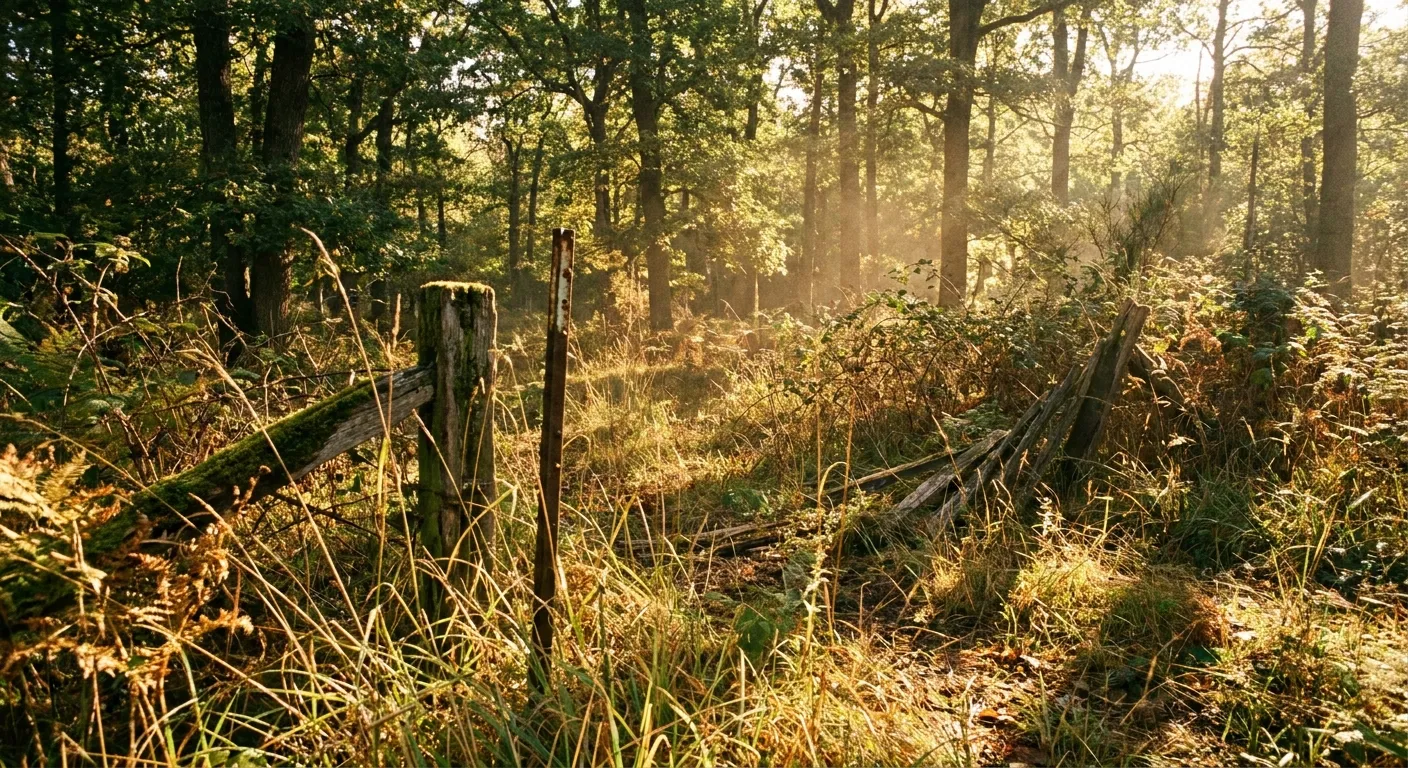
Selling raw land to a developer isn’t just about acreage or location—it’s about positioning your property as a valuable opportunity developers can’t ignore. Zoning regulations, access to infrastructure, and a property’s development potential are all key factors that can make or break a deal.
If you’re considering selling raw land, you might be asking yourself: what exactly are developers looking for, and how do I take the right steps to attract competitive offers? Whether your land is residential, commercial, or mixed-use, presenting it as a development-ready project is the best way to stand out in a competitive market.
In this guide, you’ll learn how to sell raw land to a developer by understanding developer priorities, navigating zoning challenges, and preparing your land for sale. We’ll cover everything from assessing the highest and best use of your property to marketing effectively and providing key documents that simplify the due diligence process.
Whether you need help pricing your land strategically, preparing for negotiations, or cutting through the red tape, expert resources like Sekhem Capital Holdings can streamline the process and deliver faster results. Let’s explore the steps to transform your raw land into a developer’s next big project.
Understanding the Developer’s Perspective
When selling raw land to developers, understanding their priorities is crucial. Developers view land as the foundation for their future projects, and their decision to purchase is based on potential profit and manageable risk. They are not just buying land—they are investing in what can be built upon it. Sellers who position their property as a development-ready asset are much more likely to attract offers.
Key factors developers evaluate include zoning classifications, proximity to infrastructure like roads and utilities, and future development potential. Developers generally prioritize properties that align with their plans for residential neighborhoods, commercial centers, or mixed-use projects. They also aim to minimize risks such as zoning conflicts, title issues, or lack of access to necessary utilities.
By preparing your land to fit the expectations of developers, you can set it apart from competing properties and make it significantly more appealing.
Zoning and Land Use Regulations
Zoning laws and land use regulations play a vital role in selling land for development. A property’s current zoning status determines how it can legally be used—residential, commercial, agricultural, or industrial. Developers often seek parcels that either fit their intended use or offer potential for rezoning.
If your land’s existing zoning limits its development options, research the possibility of rezoning before listing it for sale. Rezoning can be a lengthy process that involves meetings with local zoning boards or planning commissions, so starting early is important. Properties already zoned for high-value uses like residential subdivisions or mixed-use developments are more attractive to developers.
Sellers can work with professionals like zoning consultants or land use attorneys to navigate these legal requirements. For more information, explore zoning rules and rezoning possibilities.
Proximity to Key Infrastructure and Utilities
Developers often look for land close to essential infrastructure. Roads, highways, utility lines, and wastewater systems are basic requirements for most development projects. If your property lacks easy access to infrastructure, developers may view it as a more expensive and risky investment.
Start by evaluating your property’s connections to water, electricity, gas, and sewer lines. If these resources are nearby but not yet connected to your land, consider providing developers with estimates of the costs involved in extending utilities to your property. Proximity to accessible roads or highways can also make your land more attractive, especially for commercial or industrial projects.
If your land is rural or sits on the outskirts of a city, highlight its potential for future infrastructure expansion. Developers often invest in areas where population growth is driving demand for additional housing or commercial spaces.
Determining the Highest and Best Use of Your Property
The “highest and best use” of your property refers to the most profitable and feasible development option allowed by its location, zoning, and market conditions. Determining this is essential when selling land to developers because it showcases the property’s potential.
For example, a wooded parcel near a growing suburban area might be ideal for residential development. On the other hand, land near major roadways or industrial facilities may have potential for commercial use. By identifying the property’s highest and best use, you help developers envision a clear and profitable path forward.
To assess development potential, you may need professional assistance with land valuation. This process takes into account location, zoning, and comparable land sales, helping you price your property in line with its best use.
Preparing Your Land for Developers
Preparing your land before listing it for sale can prevent delays and position it as a development-ready asset. Developers often require documents such as:
Zoning certificates
Land surveys
Environmental assessments
Utility connection maps
A clear and marketable title
Resolving potential issues early can make your land more appealing. For instance, clearing up title problems, like liens or boundary disputes, is essential to avoid losing the buyer’s trust. Similarly, addressing environmental or legal concerns before negotiations can reduce risks and improve your position.
Additionally, properties with unclear or missing road access pose obstacles to developers. Secure easements or other legal solutions to ensure developers can easily proceed with their plans. For more information on avoiding common roadblocks, refer to the closing process.
Setting a Competitive and Strategic Price
Pricing raw land for developers requires a balance between market competitiveness and the property’s development potential. A simple comparison to nearby land sales may not be enough—developers weigh long-term profitability and potential costs when deciding their offers.
Research land values in your region, particularly for properties with similar zoning and proximity to infrastructure. If you are uncertain about your property’s value, consider obtaining a professional valuation or appraisals. You may also want to discuss selling options with companies like Sekhem Capital Holdings, which specializes in assessing land value and providing cash offers.
Avoid drastically overpricing raw land. Developers will compare your price against their potential returns and may move on to a more reasonably priced property. Highlighting attributes such as developable acreage, zoning readiness, and access to utilities may justify a higher asking price.
Marketing Strategies for Development Land
Marketing raw land to developers is different from selling to traditional buyers. When advertising to developers, focus on features that matter most in their decision-making process. This includes zoning classifications, infrastructure connections, development potential, and any professional assessments you’ve completed.
Consider listing your property through professional networks or platforms that target developers. Highlight unique advantages, such as closeness to growing residential areas or existing zoning for commercial projects. In addition to traditional advertising, Sekhem Capital Holdings offers tailored services that align with developer interests.
Your marketing materials should be data-driven and straightforward. Provide maps, utility diagrams, and zoning details that give developer buyers the clarity they need to make informed decisions.
Negotiating the Sale with Developers
Negotiating with developers often requires a deeper understanding of their needs and investment goals. Developers are careful buyers who may scrutinize every detail of your property’s suitability for projects. As such, it’s essential to come prepared with surveys, clear titles, and zoning documentation to avoid objections.
Start by understanding what motivates the developer—whether it’s the profit margins for commercial projects, the neighborhood’s demand for residential housing, or another specific factor. Speak to these motivations when highlighting your property’s value.
Seasoned negotiators also anticipate common issues developers may raise, such as infrastructure costs or zoning challenges. To avoid losing momentum during negotiations, have solutions or cost estimates ready. You can find additional tips for negotiating effectively with developers by visiting negotiation advice.
When to Work with Professional Land Buyers
If preparing and marketing your land for developers feels overwhelming, you might consider working with a professional land buyer. Sekhem Capital Holdings specializes in helping landowners sell their properties quickly and efficiently, even in complex situations like inherited or rural land sales.
By contacting Sekhem Capital Holdings, you can explore cash sale options that eliminate the complexity of marketing and negotiating. This type of solution may be especially beneficial for out-of-state owners or those with inherited land that they do not wish to manage further.
Professional land buyers offer the advantage of streamlined timelines, reduced risk, and cash offers—helping you move forward with confidence, even when selling complex properties.

Conclusion
Selling land to developers requires careful preparation, a clear understanding of their priorities, and strategic positioning of your property as a development-ready asset. Developers evaluate factors like zoning, access to infrastructure and utilities, and overall development potential. By addressing these elements upfront, you can significantly increase the attractiveness and marketability of your land.
Zoning and land use regulations play a critical role in determining how your property can be developed. Researching rezoning possibilities or working with zoning professionals can enhance your land's value and broaden its appeal. Similarly, ensuring proximity to key infrastructure like roads, utilities, and wastewater systems reduces risks for developers and makes your property a more compelling investment.
Understanding the "highest and best use" of your land is essential. Highlighting the property’s most profitable development potential helps developers see how it aligns with their goals. Combining this with professional valuation and strategic pricing ensures your asking price reflects both market conditions and the unique advantages of your land.
When marketing to developers, focus on features they value most, such as zoning readiness, developable acreage, and infrastructure connections. Providing clear documentation, including surveys, zoning certifications, and utility diagrams, builds trust and makes it easier for developers to envision their projects. Platforms and services tailored to developer interests can also amplify your marketing efforts.
Negotiating with developers requires preparation and an understanding of their investment goals. Anticipate potential objections, such as zoning challenges or infrastructure costs, and address these proactively. This not only strengthens your position but also encourages smoother and more productive discussions.
If preparing and marketing your land for developers feels overwhelming, working with a professional buyer like Sekhem Capital Holdings can simplify the process. Sekhem Capital Holdings offers cash purchase options and streamlined solutions for landowners, ensuring a smooth transaction even for complex properties.
Ultimately, selling land to developers is about ensuring your property meets their needs while highlighting its unique value. Whether you prepare your land for maximum appeal or choose a direct sale option, taking the right steps will position you for success. To explore your selling options or to learn more, contact Sekhem Capital Holdings and start the process of turning your land into opportunity.
Selling raw land to developers requires more than just knowing your property’s features—it’s about presenting it as a future project that aligns with a developer’s goals. Developers prioritize zoning, infrastructure access, risk minimization, and profit potential. These key takeaways will guide you in preparing, pricing, and marketing your land to attract developer interest and secure stronger offers.
Understand developer motivations: Developers are driven by profit, infrastructure connectivity, zoning flexibility, and reducing risks. Highlighting these factors can make your land more appealing.
Check zoning and land use regulations: Verify your property’s zoning and whether it supports the type of development developers prefer. Rezoning may increase land value.
Demonstrate proximity to infrastructure: Land near water, sewer, electricity, and road access is more attractive to developers. Showcase how your property connects to key services.
Assess the land’s highest and best use: Present potential uses such as residential subdivisions, mixed-use projects, or commercial sites to help developers envision its profitability.
Prepare required documentation early: Provide zoning certificates, utility maps, clear title, and surveys to streamline due diligence and reduce buyer hesitation.
Price competitively but strategically: Base your asking price on market comparables, development viability, and infrastructure readiness, balancing fair value with developer expectations.
Market directly to developers: Highlight attributes critical to their needs and consider using platforms or networks aimed at commercial or development land sales.
Negotiate with developer goals in mind: Be flexible in timelines or terms while emphasizing how your land minimizes their risks, such as reduced permitting hurdles or ready access to utilities.
Think like a developer to create value: Improve the land’s appeal by clearing title issues, providing environmental studies, or simplifying rezoning to position your land as development-ready.
Work with experienced land buyers: If navigating the full transaction feels overwhelming, companies like Sekhem Capital Holdings can simplify your sale, offer competitive cash deals, and assist with due diligence.
Positioning raw land as a development-ready opportunity is the best way to attract serious developer buyers and achieve top dollar. As we explore further, you’ll learn how to analyze your property’s strengths, navigate zoning challenges, and connect with the right buyers, ensuring a smooth and lucrative sale process.
Ready to Sell Your Land to Developers?
Selling land to developers doesn’t have to be complicated. If navigating zoning laws, infrastructure needs, and market preparation feels overwhelming, Sekhem Capital Holdings is here to help. We specialize in simplifying the sales process so you can move forward with confidence.
Get a no-obligation cash offer tailored to your land’s potential.
Skip the hassle of marketing—we work directly with landowners like you.
Avoid legal and zoning challenges with our experienced guidance.
Sell your land quickly and without unnecessary delays.
Take the stress out of selling your property. Contact Sekhem Capital Holdings today to explore your options!

Frequently Asked Questions
Quick answers about how we help out.
What documents do I need to sell raw land?
When selling raw land, essential documents include zoning certificates, surveys, utility maps, environmental assessments, and a clear title. Having these ready simplifies the due diligence process and makes the property more appealing to developers.
How fast can I sell my land to a cash buyer?
The speed of selling land to a cash buyer depends on factors like title clarity, property condition, and buyer readiness. Sekhem Capital Holdings helps expedite the process by streamlining negotiations and handling paperwork. Contact us for a personalized assessment.
How do I price undeveloped land for developers or investors?
Pricing undeveloped land involves evaluating location, zoning, access, and development potential. Consider consulting with professionals or companies like Sekhem Capital Holdings for a thorough appraisal and guidance on setting a competitive price.
Can I sell inherited land without going through probate or a realtor?
Selling inherited land without probate or a realtor depends on the title status and any legal requirements. It's essential to ensure the title is clear and consult with professionals if needed. Sekhem Capital Holdings can assist with assessing your selling options.
What affects the value of vacant land?
The value of vacant land is influenced by zoning, access to infrastructure, utility connections, and market demand. Understanding these factors helps you present a compelling case to developers. Consider reaching out to Sekhem Capital Holdings for a detailed evaluation.