How to Prepare and Sell Raw Land to Developers for Maximum Profit
Sekhem Capital Holdings
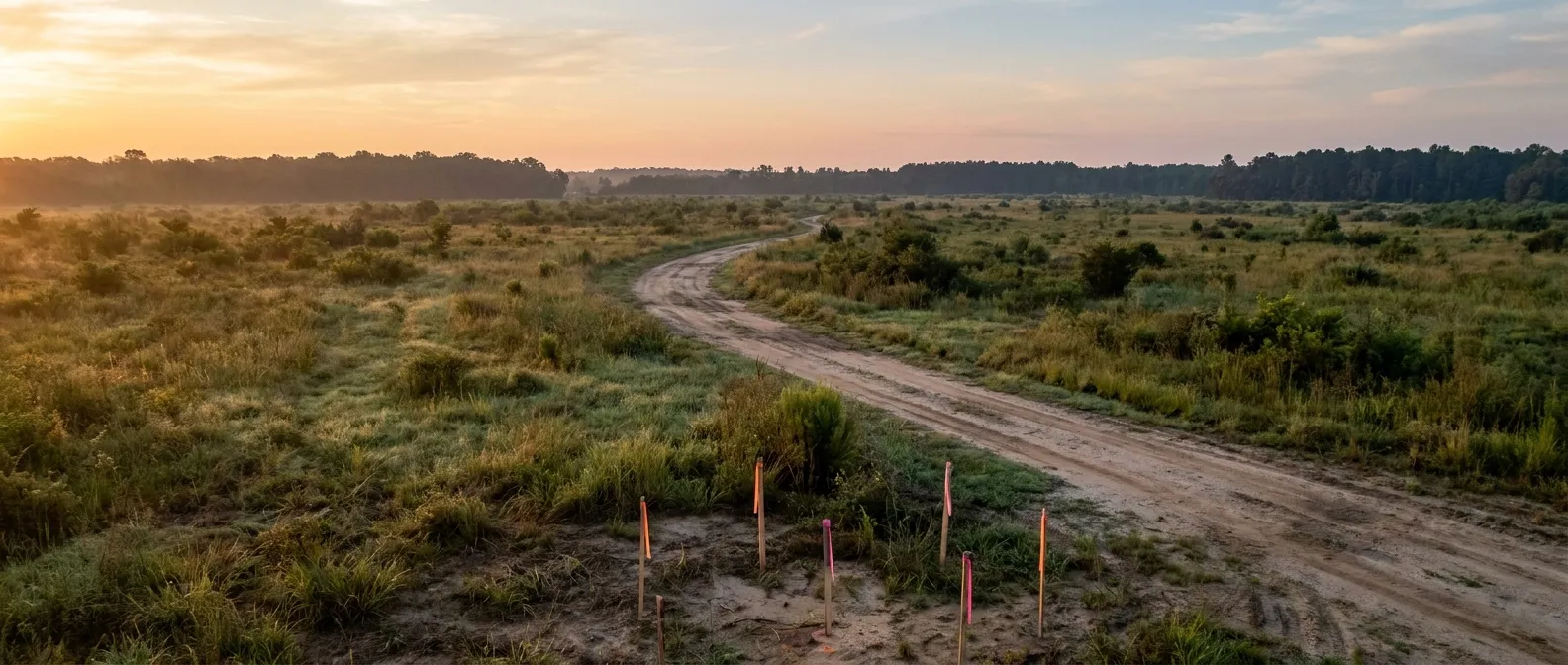
Selling raw land to developers can be one of the most profitable ways to turn your unused property into cash, but it’s not as simple as putting a “for sale” sign in the ground. Developers are looking for land with specific qualities—such as proper zoning, access to infrastructure, and clear documentation—that align with their building plans. If you don’t know how to showcase your property’s potential, you could miss out on higher offers or delay the sales process.
For landowners ready to sell, the key to attracting competitive developer interest lies in preparation. From understanding zoning requirements and ensuring road access to providing detailed land surveys and highlighting proximity to utilities, small steps can have a significant impact on how quickly your land sells and at what price. Whether you own vacant land, inherited property, or rural acreage, focusing on the right improvements can make your property stand out in a crowded market.
In this article, we’ll walk you through how to sell raw land to a developer for maximum profit. You’ll learn what developers prioritize, how to avoid costly pitfalls, and when to invest in improvements that actually increase land value. And if you’re looking for a seamless process, working with a trusted partner like Sekhem Capital Holdings can save time and simplify your sale. Let’s dive into the essential steps to position your property as a developer’s top choice.
Why Selling Raw Land to Developers Can Be Profitable
The Unique Appeal of Raw Land for Developers
Raw land holds immense potential for developers because it offers a blank slate to execute their vision. Unlike pre-developed or residential properties, raw land allows developers to plan projects without the need to demolish existing structures or modify layouts. This flexibility is one of the primary reasons developers are willing to pay a premium for the right parcel of land.
Additionally, selling raw land to developers often involves fewer contingencies in comparison to other types of buyers. Developers typically have specific goals in mind and are well-prepared to evaluate parcels, budget for improvements, and plan the necessary construction. With proper preparation, landowners can capitalize on these factors to secure better offers.
Common Pitfalls Landowners Face
While selling raw land to developers can be lucrative, it’s not without its challenges. Many landowners face issues that delay or reduce offers, including:
Unclear property boundaries: Failing to conduct a professional survey can lead to disputes over the exact size and boundaries of a parcel. This uncertainty makes developers hesitant to invest.
Missing documentation: Developers require full transparency, including deeds, zoning information, and tax records. Missing or disorganized paperwork causes delays.
Site access problems: If your property lacks clear road access or has unresolved easement issues, it could negatively affect its attractiveness to developers.
Addressing these issues ahead of listing can significantly improve the sale’s profitability and timeline.
Understanding Developer Priorities
What Developers Look for in Raw Land
To successfully market your land to developers, it’s essential to understand their priorities. Developers often evaluate land based on features like:
Zoning classifications: Zoning determines permissible uses, and developers favor land that matches their intended projects. For example, residential zoning appeals to homebuilders, while commercial developers prioritize properties zoned for business use.
Proximity to infrastructure: Developers look for land near roads, public transportation, and community hubs like schools and shopping centers.
Utilities access: Access to water, sewer lines, electricity, and internet significantly increases a property’s potential for development and attracts higher offers.
Market trends also influence developer interest. For instance, if there’s a housing shortage in a specific region, developers may actively seek residentially zoned land to meet demand.
The Role of Zoning and Rezoning Opportunities
Zoning is a critical factor for developers because it dictates what can legally be built on your land. If your property’s zoning doesn’t align with a developer’s goals, they may request a rezoning, which can complicate and delay the sale process. As a landowner, you can explore land rezoning options in advance to increase your property’s appeal.
Rezoning can unlock significant value, especially if neighboring parcels already have more favorable zoning. Consulting with local planning officials or zoning experts is a good first step toward investigating rezoning potential.
Proximity to Infrastructure and Utilities
The closer your property is to essential infrastructure, the more attractive it is to developers. While features like road access, electricity, and internet connectivity may seem basic, they can greatly impact a project’s feasibility. Developers often factor in the cost of extending these utilities when making offers.
Similarly, good transport connectivity, such as nearby highways or public transport stops, enhances a property's value. A piece of land that’s physically accessible yet near urban centers or commercial hubs is especially desirable for developers working on large projects.
Preparing Your Raw Land for Sale
The Importance of Detailed Land Surveys
A professional land survey is one of the first steps landowners should take before listing their property. Surveys provide an accurate map of your land’s boundaries, helping to avoid disputes and instilling confidence in developers. Without a survey, developers may view a property as risky or incomplete. For assistance, consider linking to reputable land surveying services.
Boundary surveys are particularly helpful when paired with detailed topographical assessments, as they give developers a better understanding of the property’s buildable potential.
Ensuring Road Access and Addressing Easements
Road access is another critical component developers prioritize. Lack of direct access or unresolved easement issues can delay offers or reduce interest entirely. Before listing your property, make sure that roads leading to the parcel are usable and legal rights of access are firmly established.
If current access isn’t sufficient, you may need to negotiate with neighboring property owners or local authorities to formalize easements. Addressing these concerns early can improve your chances of securing higher offers.
Clearing and Site Preparation for Better Presentation
While you don’t need to overinvest in aesthetic improvements, minor land clearing can make a significant difference in your property’s appeal. Removing overgrown vegetation, trimming brush, and clearing access paths can give developers a clearer vision of their project’s potential. For assistance, you can explore land clearing services.
That said, it’s important to evaluate costs carefully. Focus on cost-effective improvements that add real value, rather than unnecessary upgrades developers may overlook.
Compiling and Organizing Essential Documents
Compiling all the necessary paperwork ahead of time is crucial for a smooth transaction. Essential documents include:
Title deeds and proof of ownership.
Zoning approvals or restrictions.
Recent surveys and topographical maps.
Utility plans and access agreements.
Tax records or any liens affecting the property.
Having these documents readily available demonstrates to developers that you’re a prepared and trustworthy seller. This level of organization can also help streamline the closing process.
When and How to Market Your Land to Developers
Timing Your Sale for Maximum Profit
Timing is critical to maximizing the value of your land. Research local market trends to identify periods of high demand. For instance, if new development projects are being announced in your area, it may create a surge in interest for neighboring properties.
In some cases, waiting until zoning changes or infrastructure improvements occur can also increase the land’s value over time.
Effective Ways to Attract Developers
To effectively market your land, showcase all its desirable attributes, such as proximity to infrastructure and buildable potential. Highlight any rezoning opportunities and ensure your property listing is backed by detailed surveys and documentation.
Working with experts like Sekhem Capital Holdings can also help connect you to developers quickly. Their experience and connections in the land development market can streamline your sale process and attract serious buyers.
How to Negotiate Offers with Developers
Negotiating the sale of raw land involves more than just the price. Pay attention to terms like payment timelines, contingencies, and closing costs.
Be prepared to justify your property’s value by providing evidence such as zoning approvals, surveys, and reports about utility access. A well-documented property strengthens your leverage in negotiations.
Maximizing Your Land’s Value for Developers
Investing in Strategic, Cost-Effective Improvements
Not all improvements are worth the expense, but certain upgrades can significantly increase developer interest. Consider:
Clearing unwanted brush to improve visibility.
Resolving drainage or grading issues to make the site buildable.
Securing permits or utility access rights where possible.
The key is to focus on improvements that align with what developers prioritize, saving unnecessary costs.
Resolving Restrictions and Potential Roadblocks
Before listing your property, identify and address any legal restrictions that could complicate the sale, such as conservation easements, deed restrictions, or environmental concerns. Uncovering and solving these problems early allows for smoother negotiations and ensures better offers.
Assessing Your Land’s Competitive Advantage
When marketing your land, compare it to other properties in your area. Identify unique features that give your property an edge, whether it’s location, zoning, or size. For further assistance, you can use services like land value assessment to better understand your land’s worth and competitive positioning.
Streamlining the Sale Process with Trusted Experts
Benefits of Working with Experienced Professionals
Navigating the complexities of selling raw land doesn’t have to be overwhelming. By partnering with experienced professionals like Sekhem Capital Holdings, you can avoid common pitfalls, gain access to knowledgeable experts, and speed up the transaction.
Their deep understanding of the land development market means they can guide you toward decisions that maximize value while minimizing stress.
Finalizing Your Sale Efficiently
An efficient closing process involves several critical steps, including:
Reviewing and signing a development-focused purchase agreement.
Coordinating an escrow account for secure payment handling.
Ensuring that all title documents, surveys, and zoning records are ready before closing.
By streamlining these steps and working with trusted partners, you’ll be well-prepared to finalize your sale and make the most of your property’s potential.
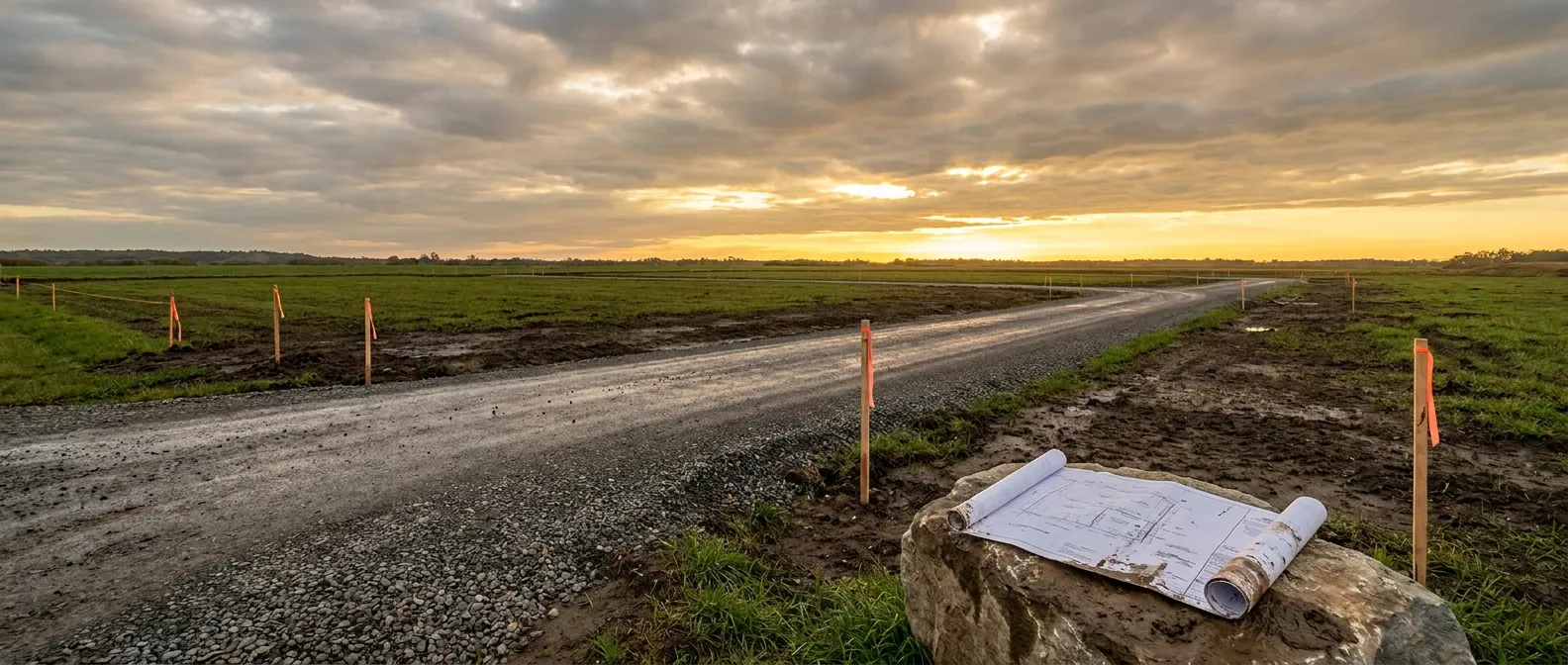
Conclusion
Selling raw land to developers presents a lucrative opportunity, especially when you understand what makes a property desirable and take steps to address potential challenges. Developers are drawn to land that offers flexibility, clear zoning compatibility, and proximity to essential infrastructure and utilities. These factors directly influence the land’s appeal and the offers you’ll receive.
Preparation is the cornerstone of a successful sale. Conducting a professional land survey, organizing all necessary documentation, resolving road access issues, and addressing zoning concerns early can streamline the selling process and make your property more attractive to developers. Minor improvements like basic clearing or resolving easements can also go a long way in increasing interest and building developer confidence.
Timing your sale to align with market trends or ongoing development projects can make a notable difference. Highlighting the unique features of your land, such as rezoning potential or strategic location, can give you a competitive edge. Whether you choose to negotiate independently or work with experienced professionals, being informed and prepared positions you for success.
For landowners who want to simplify the selling process and directly reach qualified developers, companies like Sekhem Capital Holdings can be invaluable. Their expertise in the land development market and focus on efficient, hassle-free transactions provide tailored support to help you maximize your property’s potential.
By taking the time to understand what developers prioritize and how to position your land effectively, you can avoid delays, increase the value of your offers, and finalize a sale with confidence. Whether you choose to handle the sale yourself or rely on experienced professionals, preparation is key to turning your raw land into a profitable investment.
Selling raw land to developers can be a profitable opportunity, but success often depends on proper preparation and understanding of developer priorities. To maximize your land’s value, focus on strategic improvements and presenting key information clearly. These takeaways will guide you in making the right decisions to attract competitive offers from developers.
Understand zoning and rezoning potential: Developers prioritize land with zoning that matches their plans. Research your current zoning and explore rezoning opportunities if it aligns with their needs.
Highlight proximity to essential infrastructure: Access to utilities like water, sewer, power, and roads can make your property more desirable. Include details about utility availability when marketing your land.
Complete a detailed land survey: A boundary survey removes uncertainty and helps developers clearly understand property lines, making your land more marketable.
Ensure good road access: Properties with clear and accessible roads are often more attractive to developers. Address easements or improve access if needed.
Timing matters in the market: Sell land when development trends are favorable, such as during a local construction boom or high demand for land in your area.
Prepare all required documents ahead of time: Have a clean title, updated surveys, zoning info, and any deed restrictions ready to build trust with developers and speed up the process.
Only make cost-effective improvements: Small investments like clearing overgrown areas or improving drainage may enhance developer interest, but don’t overspend unless the return justifies it.
A void unnecessary restrictions: Check for conservation easements or deed restrictions that could limit development and resolve them if they hinder sale potential.
Partner with experts to streamline the process: Working with a company like Sekhem Capital Holdings can help you navigate zoning, title work, and marketing to developers.
These tips can position your property as an attractive investment for developers without wasting time or money on unnecessary steps. By focusing on the priorities that matter most to buyers, you’ll maximize your profits and achieve a smoother sale. In the next sections, we’ll break down how to assess your land’s potential and work with the right partners to close deals efficiently.
Ready to Sell Your Land to Developers?
Selling raw land to developers can be a lucrative opportunity, but navigating the process on your own may feel overwhelming. That’s where we come in. At Sekhem Capital Holdings, we specialize in simplifying land sales and connecting landowners with motivated developers.
When you work with us, you’ll benefit from:
A seamless selling process: We handle the details so you don’t have to.
Access to serious buyers: Our network includes developers ready to make competitive offers.
Expert guidance: Avoid common pitfalls and maximize your land’s value.
Faster timelines: We streamline the transaction, saving you time and hassle.
Take the next step toward a profitable sale today. Sell your land to developers with Sekhem Capital Holdings now!

Frequently Asked Questions
Quick answers about how we help out.
What challenges do sellers face when marketing raw land to developers, negotiating the deal, or getting to closing?
Sellers often face challenges such as ensuring clear property boundaries, compiling necessary documentation, and addressing zoning or access issues. Proper preparation and clarity in these areas can enhance appeal and facilitate negotiations. Engaging experts can streamline the closing process.
Should I clear and prep raw land myself before resale, or will developers do that?
While minor clearing can improve appeal, extensive preparation may not yield high returns. Developers often have specific needs and may prefer to handle major preparation to suit their projects. Focus on cost-effective enhancements and consider professional advice.
Does prepping and clearing raw land increase profit when selling, or is it not worth it?
Prepping can increase profit if it aligns with developer priorities around infrastructure and access. Avoid overinvesting in improvements that don't add significant value. Consultation with land experts can help identify worthwhile enhancements.
What documents do developers require when buying raw land—how can I prepare a due diligence package?
Developers typically require title deeds, zoning information, surveys, access agreements, and any liens or tax records. Organizing these documents in advance builds trust and ensures a smoother transaction. Consult professionals for thorough preparation.
How do I sell my land fast—what steps can help speed up the process?
To sell land quickly, ensure it's well-prepared with clear boundaries, zoning clarity, and all necessary documents. Highlight proximity to infrastructure and utilities. Partnering with companies like Sekhem Capital Holdings can connect you with active developers.