How to Sell a Mobile Home Without Land in Florida: A Complete Guide
Sekhem Capital Holdings
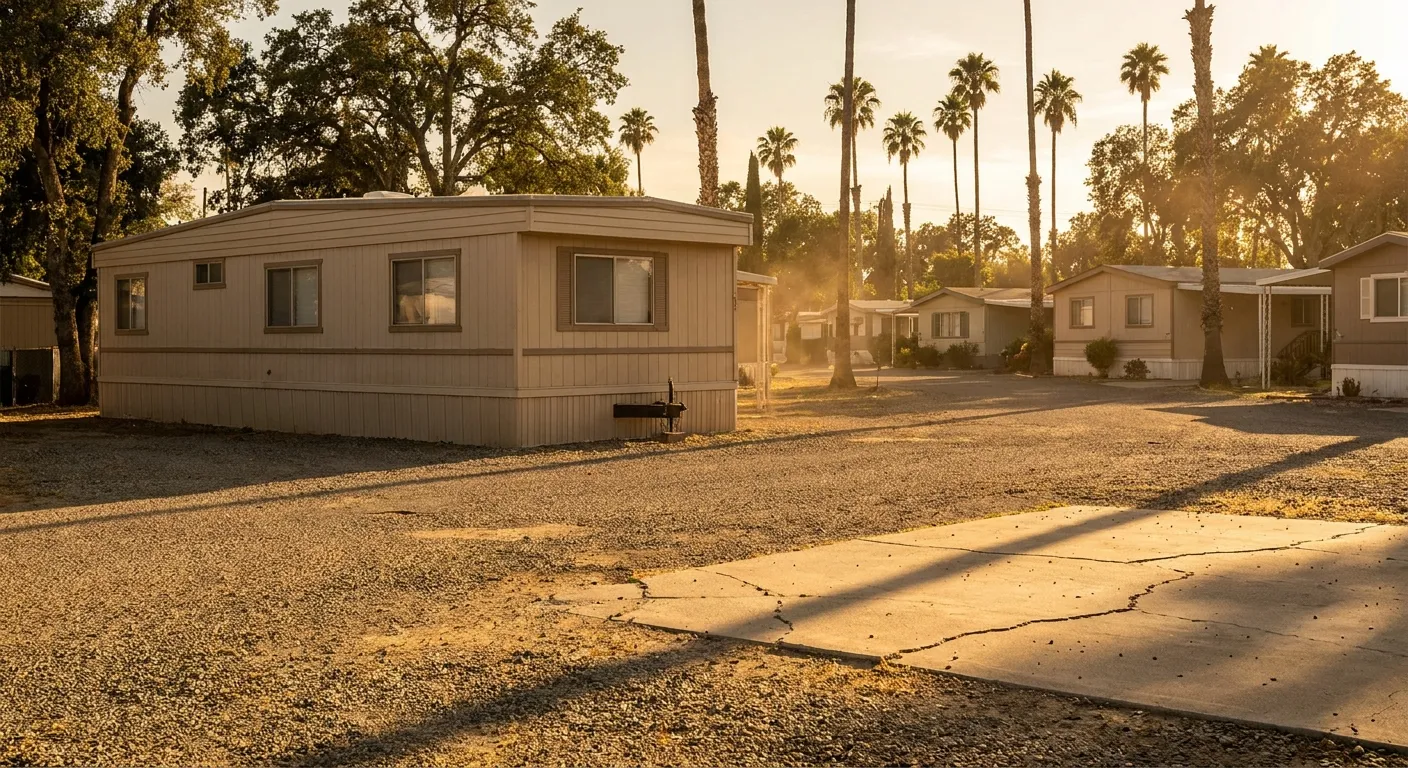
Selling a mobile home without land in Florida may seem simple at first, but the process often includes unique challenges that catch sellers off guard. Unlike traditional real estate, mobile homes without attached land are sold through a title transfer rather than a deed, requiring compliance with Florida DMV regulations. On top of that, park rules, buyer financing limitations, and potential moving logistics can complicate matters if you’re unprepared.
Whether your mobile home is located in a park or a private lot, understanding these key differences is essential to ensuring a smooth transaction. For example, if your mobile home sits in a park, prospective buyers will likely need to pass the park’s approval process before a sale can move forward. Additionally, if the property needs relocation, moving costs and timelines in Florida can quickly add up, leaving many sellers feeling overwhelmed.
The good news is that with the right knowledge and preparation, selling your mobile home doesn’t have to be stressful. From gathering necessary paperwork like the title and bill of sale to exploring faster alternatives like working with Sekhem Capital Holdings, you’ll find that taking a step-by-step approach can save you time and money while providing clarity.
This guide will walk you through everything you need to know about how to sell a mobile home without land in Florida, including DMV requirements, park approval processes, relocation logistics, and how to attract the right buyers. Let’s dive into the specifics that matter most so you can make your sale as seamless as possible.
Understanding the Unique Challenges of Selling a Mobile Home Without Land in Florida
Selling a mobile home without land in Florida presents unique challenges compared to traditional property sales. Mobile homes are treated as personal property unless they are permanently affixed to land. This difference requires sellers to follow processes specific to titled vehicles rather than real estate. Understanding these challenges is essential for a smoother sale.
In Florida, the sale heavily relies on the successful transfer of the home's title, meaning all ownership records must be current and accurate. Any errors or missing documents, such as a lost title or unresolved liens, can delay or even derail the transaction.
If your mobile home is located in a mobile home park, park-specific regulations must also be followed. Most Florida parks require the buyer to pass a background check and demonstrate financial capability for ongoing lot rent. Sellers often need to work closely with park management to facilitate these approvals, which can add complexity to the process.
Logistics can also create hurdles. In scenarios where the home must be relocated, transportation services must comply with Florida's specific moving and permitting requirements, adding cost and complexity. Additionally, Florida does not commonly recognize the "de-titling" of mobile homes, which keeps them classified as personal property. You can learn more about this process at our detailed guide on the mobile home de-titling process in Florida.
By preparing for these specific challenges, you'll be in a better position to address obstacles quickly and complete the sale efficiently.
Florida Title Transfers for Mobile Homes Without Land
The title transfer process is a pivotal part of selling a mobile home without land in Florida. Unlike selling traditional homes, which involve deeds, transferring ownership of a mobile home requires a title, much like a vehicle. Completing this step correctly ensures legal ownership is passed on to the buyer.
The first step is to confirm you have a clear and valid title. If your title has any liens, meaning debts tied to the mobile home, these must be resolved before you can sell. Visit your local Florida DMV to verify the status of the title and obtain a replacement if yours is lost or damaged.
To streamline the title transfer process, gather all necessary paperwork before listing your home for sale. Key documents include:
The original title, signed over to the buyer.
A bill of sale outlining the home's agreed price and details.
Mobile home park-related documents, if applicable.
It's also a good idea to prepare a purchase agreement, especially if you're selling off-market. This document outlines the terms of the sale and protects both parties from future disputes. For more details on getting organized, explore our tips to sell a mobile home.
Having your documents ready ensures there are no last-minute surprises that might delay closing. Once the buyer completes their payments, you can proceed to the DMV to finalize the transaction.
Mobile Home Park Requirements in Florida
If your mobile home is in a park, the requirements of that park will play a big role in the sale process. Most Florida mobile home parks have strict buyer approval policies. These typically include background and financial checks to ensure the buyer can meet ongoing responsibilities, such as paying lot fees.
Sellers can take proactive steps to assist buyers through this process. Begin by providing clear information about the park's policies and fees upfront. Introduce potential buyers to park management early so they have time to complete the approval process. This step prevents delays that could occur after an offer has been accepted.
Communicating with both park management and the buyer is critical. Misunderstandings about park regulations or unexpected approval issues may deter buyers or even cause deals to fall through. By being transparent and organized, you can help move the sale forward, even within these regulated park systems.
Managing Moving Logistics for Mobile Homes in Florida
In scenarios where a mobile home needs to be relocated, sellers face additional logistical considerations. Moving a mobile home in Florida involves expenses, permits, and careful planning to ensure compliance with state transportation laws.
Hiring a professional mobile home mover is essential, as these companies understand state requirements for large vehicle transportation. Moving costs vary widely based on distance, property size, and labor. Generally, transportation within Florida may cost anywhere from $1,000 to $5,000, including setup at the destination.
You’ll also need to obtain a moving permit from the DMV or local county office before relocating the home. These permits ensure that the move complies with Florida regulations and that the home is inspected if required. Sellers may choose to manage the relocation or ask the buyer to handle it as part of the sale agreement.
Preparing in advance minimizes stress when moving is necessary. For sellers in a hurry or aiming to avoid moving logistics altogether, working with cash buyers like Sekhem Capital Holdings can simplify the process significantly. Cash buyers often take homes as-is, ensuring a faster transaction without requiring relocation.
Exploring Selling Methods for Mobile Homes Without Land
Mobile home owners in Florida have two primary selling options: traditional market listings or cash sales. Both approaches come with pros and cons that depend on your goals, timeline, and willingness to navigate complexities.
Traditional market listings on platforms like online marketplaces or through real estate agents can attract retail buyers. These buyers frequently hope to finance their purchase, which presents challenges. Not all lenders finance mobile homes classified as personal property, leading to delays or failed transactions. When financing is unavailable, finding a cash-ready buyer is often necessary.
Selling to a cash buyer like Sekhem Capital Holdings offers advantages for those prioritizing speed and simplicity. Cash transactions eliminate financing-related delays, and cash buyers are typically more familiar with mobile home park requirements. This familiarity helps reduce the risk of deal disruptions caused by buyer approval or other park-related issues.
When timing is critical, or when managing logistics and securing financing feels overwhelming, cash sales offer a reliable alternative.
Preparing to Market Your Mobile Home Without Land
To effectively market a mobile home without land in Florida, sellers must highlight the home's features and benefits. Emphasizing upgrades, maintenance, and community perks can attract more buyers while ensuring you reach the right audience.
Start by ensuring the home is clean and presentable. Highlighting functional upgrades, such as newer appliances or updated flooring, can make your listing stand out. If your mobile home is in a desirable park with amenities like pools, clubhouses, or on-site services, include these perks in your marketing materials.
Targeting the right audience is also crucial. Budget-conscious buyers, retirees, or families looking for affordable housing options often find mobile homes a great fit. Utilize local channels and online platforms to market directly to these groups. For tailored resources, explore our mobile home marketing tips.
By focusing on both the condition of your home and its broader appeal, you'll increase the chances of finding a buyer, whether on the open market or through direct sales.
Financial and Legal Considerations
When selling a mobile home without land in Florida, financial and legal considerations can affect your strategy. A common challenge sellers face is buyer financing limitations. Lenders rarely issue traditional mortgages for mobile homes not affixed to land, meaning buyers must often pay cash or pursue alternative financing options. These challenges can reduce the pool of potential buyers.
Sellers should also prepare for potential costs, such as taxes and fees. Florida requires sales tax to be paid during title transfers, often by the buyer, but sellers should confirm this arrangement in advance. Additionally, closing costs for things like legal assistance or notary services could apply. For more on financial challenges and buyer options, check our insights on mobile home finance options.
Understanding these financial details equips sellers to better plan and price their mobile homes for a successful sale.
How to Choose the Best Selling Strategy
Choosing the right approach to sell your mobile home without land comes down to factors like your timeline, priorities, and comfort with complexities. If you have time to navigate park approvals, manage marketing, and work through financing challenges, a traditional sale could work for you.
However, for sellers who want to avoid delays or manage unique circumstances like buyer disqualification or relocation, a cash sale might be the better option. Working with experienced cash buyers like Sekhem Capital Holdings can simplify the process significantly. Cash buyers often handle many logistical hurdles, from park regulations to rapid closing timelines, giving you peace of mind throughout the transaction.
Carefully weigh your priorities to determine whether simplicity, speed, or maximizing price is your main goal. Making the right decision ensures the smoothest and most efficient sale for your mobile home in Florida.
Conclusion
Selling a mobile home without land in Florida requires understanding the unique challenges and processes that differ from traditional real estate transactions. From title transfers and park regulations to managing moving logistics and working through buyer financing limitations, each step demands attention to detail to ensure a successful sale.
Title clarity is at the core of the process, as unresolved liens or missing documents can create delays. Additionally, mobile home park requirements often complicate sales, requiring seller cooperation to assist buyers with approvals. If relocation is necessary, navigating Florida’s moving and permitting laws adds further complexity and cost. Being prepared for these tasks will minimize obstacles and help move the sale forward.
Your choice of selling strategy plays a crucial role in how smooth or time-intensive the process will be. A traditional market sale may work well if you have time and resources to handle everything from marketing to buyer management. However, selling directly to a cash buyer like Sekhem Capital Holdings can offer a streamlined alternative, especially if speed, simplicity, or avoiding relocation is a priority.
Ultimately, preparing in advance and assessing your goals—whether they involve maximizing sale price, minimizing stress, or completing the sale quickly—will help you choose the best path forward. By staying organized, transparent, and informed, you can make the process as efficient as possible. For those seeking an easier option, explore more about direct cash sales with Sekhem Capital Holdings to get started.
Selling a mobile home without attached land in Florida can seem complex due to unique regulations, buyer requirements, and logistical hurdles. From ensuring proper documentation to navigating park rules or moving logistics, understanding these challenges upfront can make the process much smoother. These key takeaways break down the most important aspects of selling and how to avoid common obstacles.
Understand Florida’s title vs. deed requirements: Mobile homes without land are typically sold through a title transfer, not a deed, which simplifies the process but requires Florida DMV compliance.
Park approval can delay sales: If your mobile home is in a park, buyers usually must pass the park’s approval process, which may include background checks and financial screenings.
Budget for moving logistics if required: Moving a mobile home in Florida can take 2-4 months and cost thousands in transport and setup fees—plan accordingly if relocation is necessary.
Prepare all key documents early: Ensure you have the mobile home title, bill of sale, and any park-related documentation ready to streamline the transaction.
Explore cash buyer options for speed: Selling to a cash buyer like Sekhem Capital Holdings eliminates waiting for buyer financing or lengthy listing timelines.
De-titling may not apply without land: De-titling a mobile home generally applies only when it is permanently affixed to land; otherwise, focus on title transfer instead.
Marketing requires a mobile home-specific approach: Highlight features like appliances, upgrades, and park amenities to attract buyers interested in mobile homes over traditional real estate.
Financing options may limit buyers: Many buyers of landless mobile homes rely on cash or personal loans because traditional home financing is typically unavailable.
By understanding these unique considerations, mobile home sellers in Florida can confidently navigate the process and choose the best-selling route to meet their goals. Up next, we’ll dive deeper into park requirements, logistics, and how working with a knowledgeable buyer can simplify your experience.
Ready to Sell Your Mobile Home Without Land?
Selling a mobile home without land in Florida can feel overwhelming with all the title, park, and logistical challenges involved. But it doesn’t have to be. At Sekhem Capital Holdings, we specialize in buying mobile homes quickly and hassle-free, no matter the circumstances.
Sell as-is: No costly repairs, cleaning, or preparation needed.
Skip delays: Avoid financing setbacks and park approval headaches.
No relocation worries: We’ll handle logistics if needed, or buy it where it is.
Fast and efficient closing: Get your cash quickly without unnecessary delays.
Don’t let red tape or complications slow you down. Contact Sekhem Capital Holdings today to start the process and move forward with confidence!

Frequently Asked Questions
Quick answers about how we help out.
How do I sell my land fast for cash?
To sell your land quickly for cash, focus on making it attractive to buyers by ensuring clear title and resolving any liens. Partnering with a reputable land buying company like Sekhem Capital Holdings can offer a fast and straightforward process. Contact us to discuss your land details and receive a no-obligation cash offer.
What documents do I need to sell my land?
You'll need the land title, property tax documents, and a purchase agreement. Having any surveys or deed restrictions can also facilitate the process. Contact Sekhem Capital Holdings for personalized advice on preparing these documents for a quick sale.
How long does it take to sell land for cash?
The time it takes to sell land for cash depends on factors like property size, location, and market demand. Cash transactions typically close faster as they avoid lengthy financing processes. Discuss your land needs with Sekhem Capital Holdings to get a clearer timeline.
Are cash land buyers legit?
Yes, many cash land buyers are legitimate. Look for buyers with transparent processes, clear communication, and a track record of successful transactions. Sekhem Capital Holdings prides itself on integrity and customer satisfaction. Reach out to verify our credibility.
Can I sell inherited land without going through a realtor?
You can sell inherited land without a realtor by working with a land buying company. This option often simplifies the process and reduces costs. Sekhem Capital Holdings can provide guidance on selling inherited land efficiently.