How to Sell Farm Land Without a Realtor: A Step-by-Step Guide for Landowners
Sekhem Capital Holdings
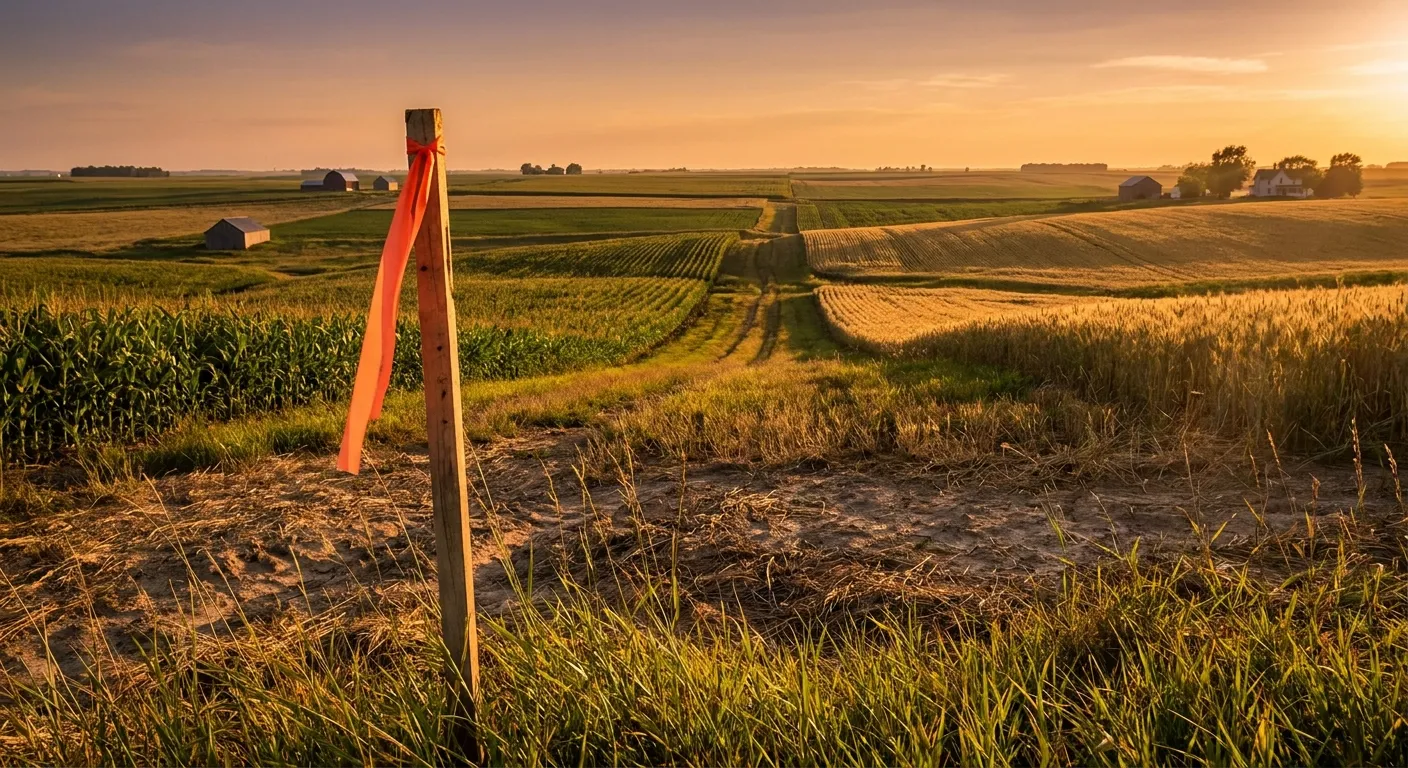
Selling farm land without a realtor can be a rewarding decision, but it takes more than just listing the property for sale. Factors like soil quality, water rights, and zoning regulations can dramatically influence your property’s appeal to potential buyers. Whether you’re selling a family farm, excess acreage, or land with development potential, understanding these details can help you maximize your profits and avoid roadblocks.
For many farm landowners, selling independently means saving on hefty realtor commissions and maintaining full control over the process. However, it also requires strategic planning. How can you accurately price farm land without the help of an agent? What marketing steps can you take to attract farmers, developers, or investors? And how do zoning rules or missing documents impact the sale? These are critical questions to answer before jumping into the for-sale-by-owner (FSBO) process.
This guide will walk you through each step, from highlighting agricultural features like tillable acres and irrigation systems to compiling legal documentation, marketing effectively, and even considering direct cash offers through trusted buyers like Sekhem Capital Holdings. Let’s explore how you can successfully sell farm land without a realtor while minimizing stress and ensuring a smooth transaction.
Preparing to Sell Farm Land Without a Realtor
Selling farm land independently offers a chance to maximize your profit by avoiding realtor commissions. However, preparation is key to ensuring the process runs smoothly. By understanding your land’s specific features, organizing the required documentation, and setting a competitive price, you’ll be well-equipped to sell your agricultural property efficiently.
Assessing Your Farm Land’s Value
Determining your farm land’s value is one of the most important first steps. Farm land is different from residential property, as it’s evaluated based on agricultural productivity and specific features.
Soil Quality: Soil type and condition significantly impact your property’s value. Fertile, nutrient-rich soil that supports diverse crop production is highly attractive to buyers. Potential sellers can work with agricultural extension offices or soil testing labs to get a professional soil assessment.
Water Rights and Irrigation: The availability and reliability of water sources greatly influence the land’s marketability. Irrigation systems in place or legally transferable water rights can increase interest from buyers.
Zoning Regulations: Research zoning codes to ensure the land can legally be used as agricultural property or converted for other purposes. Buyers are often cautious about zoning restrictions that could impact their future plans for the property.
An accurate valuation ensures you start negotiations confidently. Use online tools, hire an appraiser, or consider a consultation with Sekhem Capital Holdings to better understand your land’s market value.
Gathering Essential Paperwork
Having your documentation ready saves time, builds trust, and avoids deal delays. Ensure the following are in order before listing your farm land:
Proof of Ownership: Title deeds or other legal proof of your ownership should be clear and up-to-date.
Survey Reports: Include boundary maps or survey reports to help buyers understand property lines and acreage.
Tax Records: Provide up-to-date property tax records to show your payment history and any liabilities.
Water Rights Documentation: If water rights are part of the deal, ensure legal documentation is included.
Agricultural Use Records: Providing details about crop production history can add credibility to claims of land productivity.
Keep documents organized and accessible to streamline the process. If you’re unsure about specific requirements, consulting legal considerations for selling land can clarify what’s necessary.
Marketing Your Farm Land to the Right Audience
Selling farm land without a realtor means you’ll need to take charge of marketing. Reaching the right buyers and showcasing the unique attributes of your property will help attract serious offers.
Highlight Key Features
When creating a listing, focus on what sets your land apart. Farm buyers are often interested in practical details like:
Tillable Acreage: Specify how much of the land is usable for planting and farming.
Irrigation Systems: Mention any installed irrigation infrastructure or water sources like ponds and wells.
Infrastructure: Outline any essential buildings, barns, or fencing included in the sale.
Location: Talk about proximity to markets, cities, or agricultural processing facilities.
Utilities and Access: Describe road access, electricity, and other utility connections available.
Provide high-quality photos that emphasize these features. Drone imagery can also help showcase the size and layout of the property.
Choosing Marketing Platforms
To reach your targeted audience, market your farm land through a mix of platforms:
Online Listings: For-sale-by-owner (FSBO) platforms, agriculture-specific listing sites, and marketplaces like Craigslist are popular options.
Social Media: Use platforms like Facebook or LinkedIn to post details about your property and connect with potential buyers.
Local Outreach: Advertise in local newspapers, farming magazines, or through county fairs and agricultural groups.
Direct Sales Options: If you prefer simpler transactions, consider reaching out to cash land buyers like Sekhem Capital Holdings.
When marketing independently, make sure your listings clearly communicate the value of the land and emphasize its best-selling points.
Setting a Competitive Price: Balancing Value and Market Insights
Pricing your farm land accurately is critical for attracting buyers quickly and securing a fair sale. Research local market trends to understand demand for agricultural property near your area. Competitive pricing prevents your property from lingering unsold on the market.
Conduct a Comparative Market Analysis (CMA)
A CMA examines similar properties that have recently sold in your area. Focus on:
Acreage size and tillable land.
Water and irrigation availability.
Location, access, and infrastructure.
Compare this data to your property to determine a fair price. If this feels challenging, you can consult experts or explore free tools provided by Sekhem Capital Holdings.
Be Flexible About Negotiations
While it’s essential to set a minimum price you’re comfortable with, flexibility can encourage quicker sales. Some buyers may make counter-offers or request additional terms, such as owner financing. Understanding their perspective and showing a willingness to negotiate can foster trust and lead to closing deals faster.
Avoiding Common Challenges in FSBO Farm Land Sales
Selling farm land independently comes with unique challenges. Avoid some common areas where sellers often run into trouble to ensure a smoother transaction.
Title Issues
Unclear or unresolved title issues can delay or derail a sale. Double-check that your ownership is legally clear, with no undisclosed liens or disputes. Seeking guidance before listing can prevent future complications. Learn how to resolve title challenges with resources like legal considerations for selling land.
Zoning and Legal Restrictions
Buyers may have concerns about zoning laws or legal limits on usage. Address these questions upfront by offering zoning information and helping buyers understand their potential options.
Communication Delays
Selling independently means you are responsible for managing buyer inquiries. Respond promptly and professionally to avoid losing interest from serious buyers.
By preparing for these potential hurdles, you’ll increase your chances of a successful sale.
Closing the Sale: Completing Farm Land Transactions
Closing an FSBO farm land sale involves careful planning and attention to detail. Without a realtor, it’s crucial to ensure each step is handled correctly.
Drafting the Purchase Agreement
The purchase agreement outlines the terms of the sale. For farm land, it should include:
Sale price and payment terms.
Description of the property and included features.
Any contingencies or special agreements.
You can work with a real estate attorney to draft the agreement or review a standard template.
Handling Closing Costs
Closing costs may include:
Title transfer fees.
Escrow service fees.
Unpaid property taxes or liens.
These costs can typically be negotiated between the buyer and seller. Working with title companies or neutral escrow services ensures all final payments and paperwork are completed correctly. Visit closing land sale resources for more information.
Transferring Ownership
Once the buyer provides payment and all closing conditions are met, arrange for title transfer. This includes signing the deed and filing the transfer at your county’s recorder office. Work with professionals to verify all legal requirements are addressed.
For a straightforward and quick closing process, you can also explore selling directly to trusted buyers like Sekhem Capital Holdings.
Streamlining Your Sale with Direct Buyers
If managing the entire FSBO process feels overwhelming, partnering with cash buyers like Sekhem Capital Holdings simplifies things. They specialize in purchasing farm land quickly, eliminating the need for marketing, negotiations, and lengthy closing processes. Owners considering a streamlined approach can explore this option confidently.
Conclusion
Selling farm land without a realtor allows you to take full control of the process while maximizing your potential profit. However, success depends on thorough preparation and attention to detail. Understanding the unique features of your property, such as soil quality, water rights, and zoning regulations, helps ensure an accurate valuation that attracts serious buyers. Equipped with proper documentation like title deeds, survey reports, and agricultural use records, you can build trust and avoid delays during negotiations.
Marketing your farm land effectively is another key factor. Highlighting its best attributes—tillable acreage, irrigation systems, infrastructure, and access to utilities—helps capture buyer interest. Using a combination of online platforms, social media, and local resources broadens your reach, while crafting listings with clear, high-value information positions your property competitively. Setting a well-researched price informed by local market trends further ensures you appeal to serious buyers quickly.
At the same time, sellers must anticipate potential challenges. Addressing title issues, zoning concerns, and maintaining prompt communication with buyers can streamline the process and ultimately lead to a successful closing. Drafting a clear purchase agreement, agreeing on closing costs, and ensuring proper title transfer are critical to completing the sale properly. Working with professionals like attorneys or title companies can help navigate these steps with confidence.
If managing a for-sale-by-owner process feels intimidating, consider exploring simpler options. Trusted cash land buyers like Sekhem Capital Holdings can streamline the entire transaction, providing a quick, hassle-free way to sell your farm land. This approach eliminates the need for extensive marketing, negotiations, and complex paperwork, making it an appealing option for those who value time and convenience.
Ultimately, choosing to sell farm land on your own or with the help of a buyer comes down to your goals and priorities. By preparing thoroughly, marketing strategically, and understanding your options, you can move forward with confidence and secure a successful sale. For landowners seeking guidance or a more direct selling option, Sekhem Capital Holdings offers a reliable resource to make the process easier and more efficient.
Selling farm land without a realtor can be empowering and cost-effective, but it also requires knowledge of specialized factors like soil quality, water rights, and agricultural zoning to attract serious buyers. These key takeaways focus on what farm landowners need to know to sell their property independently while maximizing its appeal to farmers, developers, or investors.
Emphasize your farm land's unique agricultural value: Highlight key features like soil quality, water access, irrigation systems, tillable acreage, and any existing farm infrastructure to showcase its potential to the right buyers.
Know how zoning regulations affect pricing and use: Ensure buyers understand zoning, restrictions, or land use regulations that could impact farming, development, or other opportunities.
Start with an accurate and competitive valuation: Factors like crop history, proximity to markets, and natural resources help determine the property’s true worth. Consider consulting an agricultural appraiser or research local sales trends.
Organize essential legal documents upfront: Include deeds, a recent survey, water rights documentation, and any lease agreements related to the property. Proper paperwork reassures buyers and ensures a smooth transaction.
Target the right buyers with strategic marketing: Farmers, developers, and investors have different needs. Tailoring your marketing approach and listing on niche platforms like farming-focused websites can increase visibility.
Communicate soil and land details clearly: Use soil tests, maps, and descriptions to help potential buyers assess productivity or development potential. Clarity builds trust and speeds up decisions.
Understand the challenges of selling FSBO farm land: Selling independently can save money, but requires thorough due diligence, pricing knowledge, and buyer negotiations. Always consult professionals for legal or title-specific issues.
Consider a direct cash offer as a hassle-free option: Selling to a trusted land buying company like Sekhem Capital Holdings eliminates the uncertainty of finding buyers and avoids agent fees, while allowing for a faster closing process.
By understanding these critical factors, selling farm land without a realtor can be a straightforward process that meets your goals. Ahead, we’ll explore each step in greater detail while offering practical tips to confidently sell your property as FSBO.
Ready to Sell Your Farm Land Without the Hassle?
Selling farm land independently can be challenging, but it doesn’t have to be. At Sekhem Capital Holdings, we simplify the process by purchasing farm land directly from owners, saving you time and effort.
No Commissions or Fees: Keep more of your earnings without paying realtor fees.
Fast and Reliable Offers: Receive a fair cash offer tailored to your land’s unique features.
Streamlined Process: Skip marketing, negotiation headaches, and long waiting periods.
Expert Assistance: We handle paperwork and guide you through closing with ease.
Take the stress out of selling your farm land. Get a land offer today and move forward confidently!

Frequently Asked Questions
Quick answers about how we help out.
How do I sell my farm land fast without a realtor?
To sell your farm land quickly without a realtor, focus on highlighting key features such as soil quality, water rights, and access to utilities. Use effective marketing strategies like online listing platforms and networking within local agricultural communities. Pricing your land competitively by analyzing local market trends can also attract buyers faster. For a streamlined sale, consider a direct cash offer from a company like Sekhem Capital Holdings by visiting their website.
Who buys vacant farmland for cash?
Companies like Sekhem Capital Holdings specialize in purchasing vacant farmland for cash. These buyers provide quick offers and simplify the selling process. When choosing a buyer, look for transparency, experience, and clear communication. Understanding their process for evaluating land can also help ensure a smooth transaction.
Can I sell inherited farm property without a realtor, and what should I watch for?
Yes, you can sell inherited farm property without a realtor. It's essential to ensure the title is clear and resolve any co-ownership issues. Gather necessary documents such as deeds and tax records. Be aware of any outstanding liens or legal obligations. Consulting with a legal professional can help address complex ownership situations.
What documents are required to sell agricultural land independently?
To sell agricultural land independently, you'll need proof of ownership like title deeds, recent survey reports, tax records, and water rights documentation if applicable. Having these documents ready reassures buyers and expedites the sale process. It's advisable to consult a real estate attorney to ensure all legal requirements are met.
Are cash land buyers legitimate and trustworthy?
Many cash land buyers are legitimate, offering a simplified selling process without agent fees. To ensure trustworthiness, research the buyer's reputation, ask for references, and verify their business credentials. A reputable buyer will communicate openly and explain the sale process clearly.