How to Sell Land Out of State: A Simple Step-by-Step Guide
Sekhem Capital Holdings
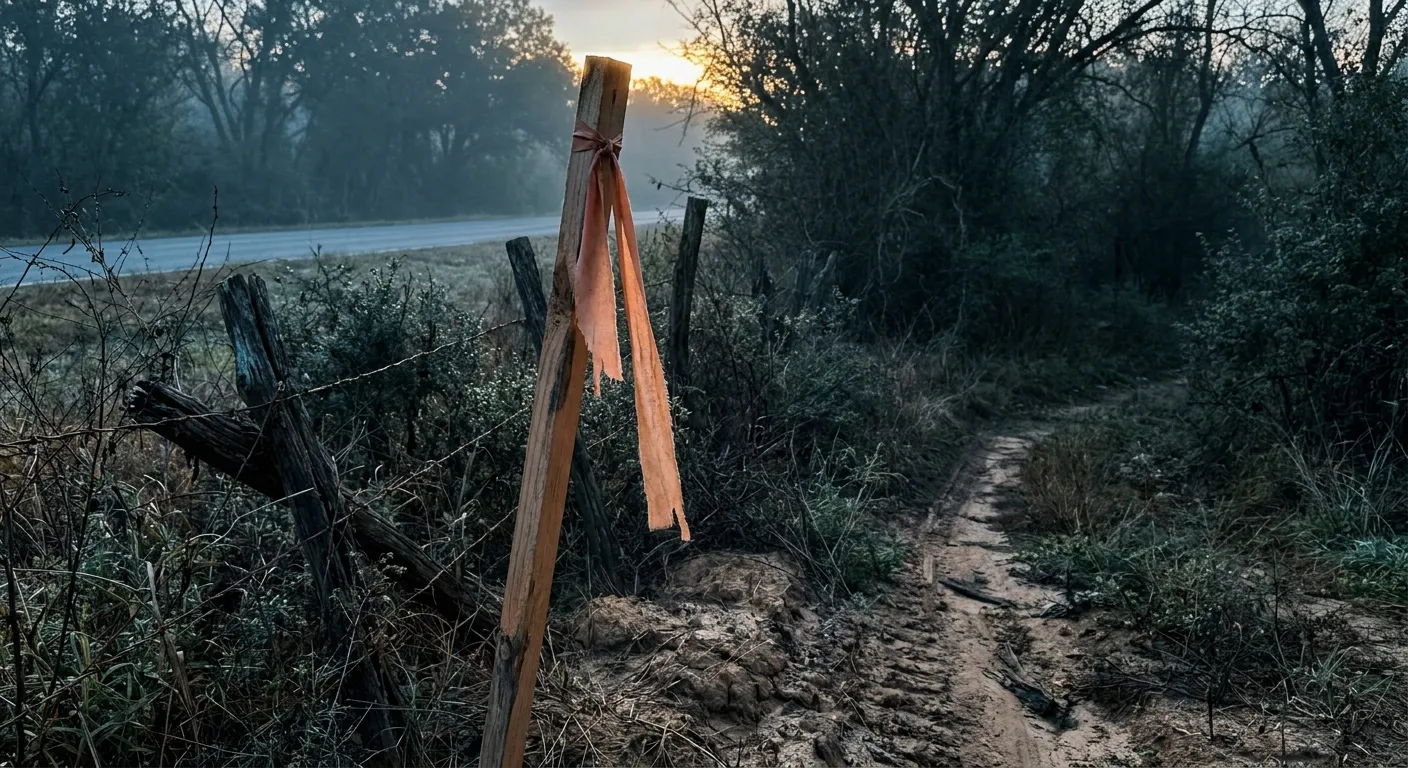
You can sell land in another state without traveling to the property, but a few overlooked details can slow the sale or reduce what you take home. Whether you inherited vacant land, own a rural parcel you have not visited in years, or no longer want to pay taxes on property far from home, knowing how to sell land out of state helps you move forward with fewer surprises.
An out-of-state land sale is not as simple as signing a contract and collecting payment. You first need to confirm what you own, where the property lines are, whether the land has legal road access, and whether taxes, liens, or title issues could affect the transfer. Zoning, utilities, acreage, nearby sales, and buildability can also affect the price. If your land does not have a street address or was passed down through an estate, getting clear answers early is especially important.
The good news is that selling land remotely is often manageable. Many absentee landowners complete the process through phone calls, email, secure document delivery, mail-away closing documents, and remote online notarization. A local title company can research ownership records, identify unpaid taxes or liens, and help make sure the deed transfers correctly. In some cases, a Power of Attorney may help if an owner cannot sign documents personally, but state rules and your situation will determine whether it is needed.
You also have choices in how you sell. Listing with a local land agent may make sense if you have time to market the property and wait for a financed buyer. Selling on your own may reduce commission costs, but it can require more research, advertising, buyer screening, and contract work. For owners who want a more direct path, reputable cash land buyers may be worth considering. A direct buyer can often remove showings, agent fees, and lender-related delays, though you should still verify the buyer, read every agreement, and use a legitimate title or closing service.
Taxes deserve attention as well. Capital gains tax and possible state tax rules may affect your final proceeds, particularly if the land has increased in value or was inherited. A qualified tax professional can explain how those rules apply before you accept an offer.
This guide walks you through the remote land selling process step by step, from gathering deeds and parcel records to pricing the property, reviewing offers, handling paperwork, and closing safely. You will also learn how to avoid common scams, when a traditional listing may be useful, and when working with a trusted resource such as Sekhem Capital Holdings may offer a simpler way to sell. Let’s look at what matters most before you decide.
1. What It Means to Sell Land Out of State
Why remote land sales feel different from local sales
Learning how to sell land out of state can feel harder than selling property near your home. You may not know the land’s current condition, whether a road is still usable, or what nearby development has changed. If you inherited the property or bought it years ago, you may not have visited it recently at all.
Distance can also make simple tasks feel more complicated. You may need to research county records, collect photos, answer buyer questions, review paperwork, and sign closing documents from another state. The good news is that selling land remotely is possible when you handle the process in the right order.
Who this guide is for
This process is designed for an absentee landowner who owns vacant land, rural property, or inherited land in another state. It can also help if you are asking, “How do I sell land I own in another state without traveling there?”
You may be dealing with an unwanted lot, family property, a parcel with unpaid property taxes, or land you no longer plan to use. No matter why you want to sell, starting with clear information can make the next steps feel more manageable.
The main choices you have
Most owners have three common paths for an out-of-state land sale:
List the property with a local land agent.
Sell the land on your own through a private sale.
Work directly with a cash land buyer.
Each path has different costs, effort levels, and timelines. Before deciding which route fits your situation, it helps to confirm exactly what you own.
2. Start With the Basics: Confirm What You Own
Check the deed, parcel number, and legal ownership
Begin by locating your land deed, parcel number, and most recent tax bill. The ownership name on the deed should match county records. If your name changed after marriage, divorce, or another life event, make note of it early.
For inherited land, ownership may involve probate, multiple heirs, or a family trust. Joint owners usually need to agree to the sale and may need to sign documents. These issues do not always prevent a sale, but they can delay closing if discovered late.
Verify the exact property location and boundaries
Many rural parcels do not have a normal street address. Instead, the county may identify the land by parcel number, legal description, section, lot, or tract number. County assessor websites, GIS parcel maps, and tax records can help you find the general location.
Do not assume online map boundaries are exact. They are useful for a starting point, but a survey or recorded legal description may be needed to confirm boundaries. This is especially important if a buyer asks questions about neighboring land or usable acreage.
Look for road access, easements, and landlocked issues
Road access is a major part of land value. A parcel may appear close to a road on a map but still lack legal access. Some land depends on a recorded easement through a neighboring property, while other parcels may be landlocked.
Access concerns should be reviewed early because they can affect buyer interest, pricing, financing, and closing. Being open about known access conditions helps avoid surprises during due diligence.
Review zoning, utilities, and land use rules
Acreage alone does not determine value. Buyers also want to know how the land can be used. Check local zoning, building rules, flood concerns, utility availability, septic requirements, HOA restrictions, and nearby land uses.
For example, a five-acre parcel with road access and power nearby may appeal to more buyers than a larger parcel with no clear access. With the basics confirmed, you can gather the paperwork needed to support a smooth sale.
3. Gather the Documents You Will Need
Core paperwork for an out-of-state land sale
If you are wondering what documents do I need to sell land in another state, start with the records you already have. A title company or buyer may request additional documents based on the property and state.
Common records include:
A copy of the land deed
Parcel number and legal description
Recent property tax bill or tax receipt
Government-issued photo ID
Any title report or prior closing documents
Information about loans, liens, or unpaid taxes
Different states have different forms and deed rules, so the final list can vary. Still, having these basics ready can reduce back-and-forth later.
When a Power of Attorney may help
A Power of Attorney may be useful if an owner cannot sign documents or needs someone else to act on their behalf. For example, it may come up when several heirs are involved or when an owner has limited availability.
Not every sale needs a Power of Attorney. The title company and state-specific requirements will determine whether it is accepted and what wording it must include. It is best to ask early rather than waiting until closing is near.
Helpful records to have before closing
Other useful items may include surveys, HOA documents, recorded easements, lien releases, probate documents, and records from a previous purchase. These papers can help answer questions about boundaries, ownership, and restrictions.
If the process feels unclear, you can contact Sekhem Capital Holdings to discuss practical next steps for your property. Once your records are organized, you can focus on setting a realistic price.
4. How to Price Land You Have Not Seen in Years
Use comparable sales instead of guesswork
A good answer to how to price land in a state you do not live in starts with comparable sales. Look at recent sales of similar parcels in the same area, not just active listings with high asking prices.
Raw land is priced differently from houses. A home sale may reflect the building, upgrades, and neighborhood demand, while vacant land value often depends more heavily on access, usable terrain, zoning, and nearby growth.
Factors that change land value
A practical property valuation should consider the details that matter to a land buyer:
Acreage and parcel shape
Road frontage and legal access
Zoning and permitted uses
Utilities, water, and septic options
Terrain, flood zones, and buildability
Location and nearby development
Taxes, restrictions, and HOA rules
A rural property may have value for recreation, farming, hunting, or future building. A suburban lot may be valued more for its location and utility connections. The intended use often matters as much as the size of the land.
How inherited or vacant land can be priced
When selling inherited land out of state, family memories can make pricing difficult. The land may have meant a lot to a parent or grandparent, but emotional value does not always match current market demand.
Tax assessments can also be misleading. They may be outdated or calculated differently than market value. Use current property facts and recent sales data to guide your decision.
Why an accurate price matters from the start
An unrealistic asking price can leave a land listing sitting for months with little interest. Pricing too low can also cause you to accept less than the land may be worth. A well-supported price makes buyer conversations easier and helps you choose the best selling path.
5. Decide How You Want to Sell the Land
Selling with a local land agent
A local agent who understands land can be a helpful choice if your parcel is marketable and you are comfortable waiting for the right buyer. An agent may assist with pricing, photos, listing details, negotiations, and local buyer exposure.
Before signing a listing agreement, ask about experience with vacant land, commission costs, listing length, and how they will market access, zoning, and other important details. Land often takes a different approach than a house listing.
Selling land on your own
Selling vacant land out of state without a realtor can give you more control. You can choose the price, speak directly with buyers, and avoid a listing commission. However, you will need to manage inquiries, share documents, screen buyers, negotiate terms, and coordinate the contract and closing.
A private sale can work well when you have time and feel comfortable managing the details. It may feel less simple when you are far away or unfamiliar with local land rules.
Working with a cash land buyer
A cash land buyer may be a good option for owners who want fewer moving parts. Cash land buyers often purchase vacant land directly, which can mean fewer showings and less risk of delays related to buyer financing.
A direct sale is not automatically the best option for every property, so compare the offer, closing terms, and fees with other choices. If you want to explore a simpler route, Sekhem Capital Holdings can be one option to consider. Your chosen path will shape how you prepare and market the property remotely.
6. How to Market and Show Land Remotely
Share the right property details
Buyers need more than a parcel number. Strong land information builds trust and reduces repeated questions. Share the acreage, location, parcel map, access details, zoning, known utilities, annual taxes, restrictions, and any survey information.
Clear photos are also useful, but be honest if they are older. If you cannot visit, you may be able to hire a local photographer or ask a nearby contact to take current photos. Maps and aerial images can help buyers understand the setting.
Use online and mail-based communication
The remote land selling process often relies on phone calls, email, digital documents, and mailed paperwork. Keep a simple file with your deed, maps, tax records, and buyer communications so you can quickly answer questions.
Selling land remotely does not have to feel disorganized. A clear communication trail helps both sides understand what has been shared and what still needs attention.
Screen buyers carefully
Before spending time on a buyer, ask basic questions about their intended use, ability to close, and timeline. A serious buyer should be willing to discuss terms clearly and provide a written offer or purchase agreement.
Distance makes trust especially important. Good buyer screening leads naturally into the title, tax, and legal details that need attention before closing.
7. Title, Taxes, and Legal Issues That Can Delay Closing
Title problems to check early
Title issues can slow an out-of-state land sale even when the buyer is ready. Common concerns include unpaid taxes, old liens, missing lien releases, probate questions, boundary disputes, and unknown heirs.
A title company can search public records and identify items that need to be addressed before the land deed transfers. This is why skipping title work can create risk for both buyer and seller.
Tax issues that affect your final profit
The tax implications of selling land in a different state can depend on your ownership history, the sale price, and rules in the state where the property is located. Capital gains tax may apply in some situations, and state tax rules can vary.
This is general information, not tax advice. Consider speaking with a qualified tax professional before closing so you can better understand your possible tax obligations.
State-specific rules and deed requirements
Every state handles deeds, notarization, disclosures, and recording in its own way. Some areas may require special affidavits, transfer forms, or local tax documents. A knowledgeable title company can explain the process for the county where the land is located.
Closing costs and net proceeds
Your final proceeds may be affected by title work, recording fees, unpaid taxes, settlement fees, and other closing costs. When comparing offers, look at the estimated amount you keep, not only the headline price.
Once title and cost questions are clear, you can prepare for a remote closing without needing to travel.
8. How to Close a Land Sale Without Traveling
Remote online notarization and mail-away closing
Can I close on a land sale remotely without being present? In many cases, yes. Some sellers use remote online notarization, while others receive documents by mail or courier and sign before a local notary.
Availability depends on the state, the title company, and the specific transaction. Ask how to close on a land sale remotely early in the process so you know what identification, notary steps, and delivery deadlines to expect.
How a title company helps at closing
A title company can coordinate record checks, prepare closing documents, receive funds, and record the final deed. Using a legitimate closing service gives both parties a clearer process for transferring ownership and money.
The company can also explain where to send signed documents and when the sale is officially complete.
What to expect from start to finish
A typical remote closing follows a simple sequence:
Accept an offer and sign a purchase agreement.
Complete title review and due diligence.
Resolve any identified title or tax issues.
Review and sign closing documents.
Confirm funding and recording of the deed.
Timelines vary based on title condition, state requirements, and how quickly documents are returned. A safe closing also depends on choosing trustworthy people to work with.
9. How to Avoid Scams and Choose a Buyer You Can Trust
Verify the buyer and closing company
If you are asking how to find a cash buyer for out-of-state land, start with verification. Check the buyer’s website, business contact details, and communication history. Confirm that the title company is real by finding its phone number independently rather than relying only on an email.
Be cautious about sharing private documents until you understand who is requesting them and why.
Read every agreement before signing
Read the purchase agreement carefully. Pay attention to the price, closing date, earnest money, contingencies, who pays closing costs, and what happens if either party cannot close. Ask questions about any term that seems vague or unfamiliar.
Red flags to watch for
Watch for pressure tactics, unclear offers, requests to skip title work, sudden changes in price, or instructions to send money without verification. A trustworthy buyer should allow time for reasonable due diligence.
Knowing these warning signs can help you avoid common errors that make remote sales harder.
10. Common Mistakes Out-of-State Sellers Make
Waiting too long to check ownership and access
Many sellers wait until they have a buyer before checking deeds, heirs, easements, and tax status. This can lead to delays at the worst possible time. Confirming ownership and access early gives you more control.
Pricing based on emotion or old memories
Land may have personal meaning, but buyers compare current facts. Price based on recent comparable sales, access, condition, zoning, and buildability rather than a value you remember from years ago.
Ignoring taxes, liens, or probate issues
Unpaid taxes, liens, and incomplete probate can block closing. You do not need to solve every concern alone, but identifying them early helps you understand what needs to happen before a transfer.
Choosing speed without checking trust
The best way to sell out-of-state land fast is not to accept the first offer without questions. A fast process should still include a written agreement, title work, clear closing costs, and a legitimate closing company. These basics help you decide when a direct sale is truly a good fit.
11. When a Direct Sale Makes the Most Sense
Situations where a cash offer may help
A direct sale may fit owners with inherited land, unwanted vacant land, distant rural property, or parcels that create ongoing tax bills. It can also help when you do not want to manage showings, listings, and long buyer conversations from another state.
How a direct buyer can simplify the process
A direct buyer may reduce the number of steps involved in selling. There may be fewer showings, less concern about loan approval, and less need to coordinate local visits. That can be valuable for an absentee landowner who wants a lower-stress path.
Still, compare your options and review all terms carefully. For owners comparing direct sale options, Sekhem Capital Holdings offers a starting point for a straightforward conversation. From there, you can build a plan that fits your property and goals.
12. Next Steps for Selling Land in Another State
Build your action plan
To sell land in another state with more confidence, take one step at a time. Confirm ownership, locate the parcel, review access and zoning, gather documents, research pricing, and choose a selling method that fits your needs.
You do not need to know every answer on day one. A clear checklist can turn a confusing remote sale into a manageable process.
Get help if the sale feels too complicated
Some situations need extra support, especially inherited property, title issues, unpaid taxes, or unclear boundaries. A title company, tax professional, or trusted land buyer may help you understand the next practical step.
If you want to discuss a simple selling path for vacant or rural land, you can contact Sekhem Capital Holdings and start with the details you already have.

Conclusion
Selling land out of state can feel overwhelming at first, especially if the property is vacant, inherited, rural, or something you have not seen in years. But once you break the process into clear steps, it becomes much easier to manage. The most important part is starting with the basics: confirm what you own, check the deed and parcel details, review access and zoning, and gather the records a buyer or title company may need. These early steps help reduce delays and make the rest of the sale more predictable.
A strong remote sale also depends on knowing what affects land value. Buyers usually care about more than acreage alone. They want to know about road access, utilities, buildability, restrictions, taxes, and the overall use of the property. That is why pricing should be based on current facts and recent comparable sales, not on memory or emotion. A well-supported price can make the land easier to sell and help you avoid wasting time with the wrong buyers.
It also helps to choose the selling path that fits your situation. A local land agent may work well for some properties. Selling on your own may give you more control if you have time and comfort with the process. A direct sale to a cash land buyer may be a better fit if you want fewer steps, less back and forth, and a simpler closing process. None of these choices is right for everyone. The best choice is the one that matches your goals, timeline, and comfort level.
Just as important, do not overlook title, tax, and closing issues. Unpaid taxes, old liens, probate questions, and missing ownership details can slow everything down if they are found too late. Asking questions early and reviewing each agreement carefully can help you avoid surprises. The same goes for buyer trust. A serious buyer should be clear, responsive, and willing to use a proper closing process through a real title company.
If your goal is to sell land in another state with less stress, the key is to stay organized and make decisions based on facts. You do not need to handle every part alone, and you do not need to guess your way through the process. A simple plan, good records, and the right support can make a remote sale much more manageable.
For landowners who want a practical next step, Sekhem Capital Holdings can be a helpful place to start. If you are ready to talk through your property and explore a straightforward path forward, contact Sekhem Capital Holdings.
Selling land from another state can feel overwhelming, especially if you have not visited the property in years or inherited vacant land with limited records. These key takeaways break down the remote selling process in simple terms so you can understand your options, avoid costly mistakes, and decide whether a direct cash buyer like Sekhem Capital Holdings is the easiest path forward.
Start with the basics before you list: Confirm ownership, parcel details, access, zoning, taxes, and deed information so you know exactly what you are selling.
Price land using facts, not guesswork: Comparable sales, road access, utilities, acreage, and buildability all affect value when you are trying to sell land out of state.
Remote selling is possible without traveling: Many out-of-state land sales can be handled by phone, email, mail, and remote online notarization instead of an in-person visit.
The right paperwork keeps the sale moving: Deeds, title records, tax bills, ID, and sometimes a Power of Attorney may be needed to complete an out-of-state land sale.
Title companies help verify a clean transfer: A local title company can check ownership, liens, unpaid taxes, and other issues that could delay closing.
Taxes can change your final profit: Capital gains and possible state tax rules matter, so it is smart to understand the tax impact before you sell.
Cash buyers can reduce remote sale stress: A direct cash land buyer can often make the process faster by removing agent fees, showings, and financing delays.
Scams are easier to avoid with due diligence: Always verify the buyer, review the contract carefully, and make sure the title company or closing service is legitimate.
Inherited or vacant land often needs extra care: If the property has no street address, unclear access, or shared heirs, those issues should be handled early to prevent closing delays.
If you own land in another state, you do not need to figure it all out alone. In the sections ahead, you will see the simple step-by-step process for selling remotely, what documents you need, and how to choose the most practical path for your situation.
Ready to Sell Your Out-of-State Land?
After reviewing ownership, access, taxes, and title details, you may be ready for a simpler path. Sekhem Capital Holdings can help you explore a direct sale for vacant, inherited, or rural land without needing to travel.
No listing or showing process to manage from afar
A straightforward conversation about your parcel and goals
Help understanding the next steps for a remote sale
A direct option to compare with listing or selling on your own
If holding onto the property no longer makes sense, now is a good time to explore your options. Contact Sekhem Capital Holdings to discuss selling your land today.

Frequently Asked Questions
Quick answers about how we help out.
How do I sell land out of state without traveling there?
You can usually sell remote land by gathering your deed, parcel details, tax records, and any title paperwork, then working with a local title company or a direct buyer that can handle closing by mail or remote notarization. Start by confirming ownership, access, zoning, and any liens so there are no surprises later. If you want a simpler path, Sekhem Capital Holdings can review the property with you and discuss a direct sale without requiring you to visit the land. Contact us at https://schlands.framer.website/contact.
How do I sell inherited land in another state fast?
The fastest path usually starts with confirming who legally has authority to sell, especially if probate, multiple heirs, or missing paperwork are involved. Next, gather the deed, tax records, and any estate documents, then decide whether a listing or a direct cash buyer fits your timeline. A clear title and a realistic price based on current land facts can help the process move faster. Sekhem Capital Holdings can help you explore a simple direct sale if you want less back and forth.
What documents do I need to sell land in another state?
At minimum, expect to need the deed, parcel number, legal description, recent tax information, and a valid ID. Depending on the property, a title company may also ask for surveys, probate records, lien releases, HOA documents, or prior closing papers. Some situations may call for a Power of Attorney, but that depends on state rules and the closing process. If you want help figuring out what applies to your parcel, contact Sekhem Capital Holdings at https://schlands.framer.website/contact.
Can I sell land remotely without being physically present at closing?
Yes, many sellers complete an out-of-state land sale without traveling. Depending on the state and the closing setup, you may sign through remote online notarization or sign mailed documents before a local notary. A title company usually helps coordinate the paperwork, funding, and recording. The exact process depends on the property and location, so it is smart to confirm the closing method early.
What closing costs should I expect when selling land?
Closing costs can include title work, recording fees, unpaid taxes, settlement fees, and other transfer-related expenses. What you keep depends on the sale structure, title condition, state requirements, and whether any liens or back taxes need to be resolved. The best way to compare offers is to look at the net amount after costs, not just the headline price. If you want a direct offer and a clear explanation of the process, Sekhem Capital Holdings can help you review your options.