How to Sell Undeveloped Land: A Step-by-Step Guide to Pricing, Marketing, and Closing with Confidence
Sekhem Capital Holdings
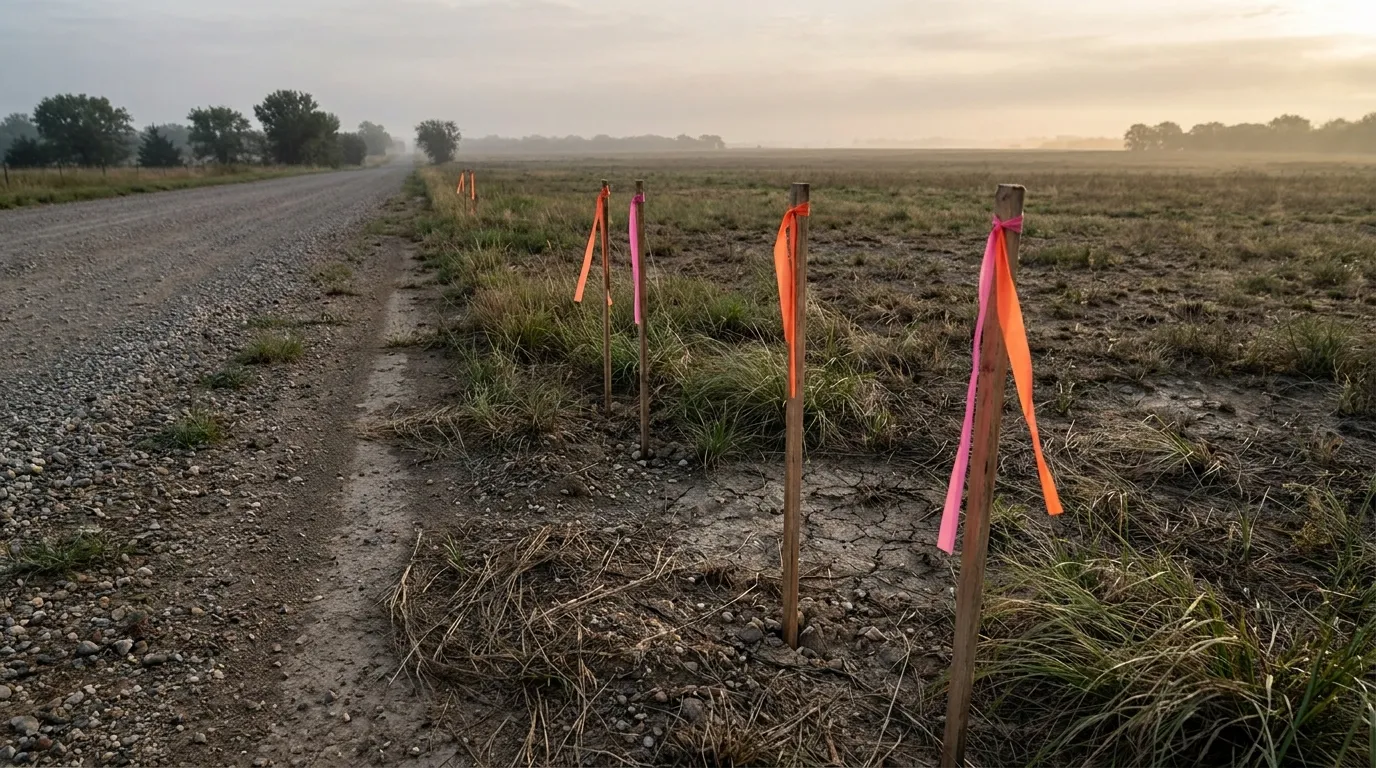
Undeveloped land does not sell itself just because it has acreage. Buyers want to know what they can do with it, how they can reach it, whether they can build on it, and what problems may stand in the way. If those answers are unclear, even a well-located parcel can sit on the market longer than expected.
Learning how to sell undeveloped land starts with seeing the property through a buyer’s eyes. A vacant lot, rural acreage, or inherited parcel may look like empty ground to you, but its road access, zoning, terrain, utilities, boundaries, and nearby development can shape its real value. Buyers may be looking for a homesite, a recreational property, an investment, a future development project, or land to hold for years. The more clearly you show how your land fits one of those goals, the easier it becomes to attract serious interest.
This matters especially if you are carrying property taxes on land you do not use, managing inherited land from another state, or trying to decide whether to list the property yourself. Selling raw land is different from selling a house. There is no kitchen, curb appeal, or finished space to help a buyer imagine the value. Instead, you need accurate pricing, strong visuals, clear paperwork, and a simple explanation of the land’s potential. A survey, deed, tax records, aerial photos, and zoning details can give buyers the confidence they need to move forward.
You will also need to choose the right selling path. A land for sale by owner approach may give you more control and help you avoid certain fees, but it also requires time to price, market, answer questions, and manage the closing. Working with a land specialist may expand your reach, while cash land buyers can be worth considering when a straightforward timeline and fewer financing concerns matter most. The best choice depends on your property, your timeline, and how involved you want to be in the process.
This guide walks you through the practical steps of selling undeveloped property with more confidence. You will learn how to evaluate raw land value, prepare documents, handle title concerns, highlight access and development potential, market to the right audience, review offers, and understand the land closing process. Whether you want to sell vacant land quickly or take time to seek the strongest possible offer, the goal is the same: make the property easy to understand and easy to buy. Let’s look at what matters most before you decide.
Understanding What Makes Undeveloped Land Harder to Sell
Why raw land does not sell like a house
When learning how to sell undeveloped land, it helps to recognize that raw acreage is marketed very differently from a home. A house gives buyers immediate features to see, such as bedrooms, finishes, and curb appeal. Vacant land has no finished structure, so buyers are purchasing an idea of what the property could become.
That means buyers focus on future use. They may picture a homesite, a small farm, a recreational retreat, or a long-term investment. Your job as a seller is to make that potential clear without overstating what the property can support. Pricing, photographs, maps, and property details all need to answer one main question: What can a buyer realistically do with this land?
What buyers want to know before they make an offer
Before making an offer, serious land buyers usually want clear answers about basic property facts. If they cannot find those answers, they may move on to another parcel.
Buyers often ask about:
Road access and whether it is public, private, or through an easement
Land zoning and permitted uses
Utility availability, including power, water, septic, or well options
Property boundaries and survey information
Flood zones, wetlands, slope, and soil conditions
Deed restrictions, easements, and nearby uses
A seller does not need to solve every development question in advance. Still, sharing what you know gives buyers more confidence and helps them begin their own land due diligence.
Common reasons vacant acreage sits on the market
Vacant acreage often sits because it is overpriced, poorly presented, or difficult to understand. A listing with one distant photo and a vague description like “great investment land” rarely gives buyers enough reason to act.
Other common problems include unclear access, missing survey details, unresolved land title issues, unpaid property taxes, and no explanation of the property’s best use. A parcel may also be marketed to the wrong audience. A wooded recreational tract should not be presented the same way as a buildable lot near growing neighborhoods.
Preparation turns an invisible asset into a clearer opportunity, which leads directly to realistic pricing.
How to Price Undeveloped Land the Right Way
Start with raw land value, not just acreage
Acreage matters, but it does not tell the whole story. Ten acres with paved road frontage, power nearby, and flexible zoning can be worth far more than ten landlocked acres with steep terrain.
Raw land value depends on location, access, usability, local demand, and the costs a buyer may face after closing. When deciding how to price undeveloped land for sale, think about what the buyer receives beyond the acreage number. A smaller buildable parcel may command more buyer interest than a larger tract with limited use.
Compare nearby sales and real buyer demand
Recent nearby sales are a useful starting point, but not every sale is a true comparison. Look for properties with similar acreage, road access, zoning, terrain, and utility conditions. A parcel two miles away may not be comparable if it has a paved road, city water, or approved building rights that your property does not have.
Also consider current demand. Are homes being built nearby? Are buyers actively looking for rural property? Is the area mainly recreational, agricultural, or moving toward development? Comparable sales show what happened in the past, while buyer demand helps explain what may happen now.
Factor in zoning, access, utilities, and topography
Land zoning can affect nearly every part of a sale. Buyers want to know whether the parcel may be used for a residence, manufactured home, agricultural use, recreation, commercial activity, or future subdivision. Avoid making claims unless you can support them with local records or direct confirmation from the proper agency.
Road access also has a major effect on value. Public road frontage is generally easier to explain and market than a private road or unrecorded path. Utility availability, clearing needs, steep slopes, drainage concerns, wetlands, and difficult soil conditions can all change what a buyer is willing to pay.
Pricing land with limited comps or unusual features
Rural property, inherited land, and unusual parcels can be harder to price because there may be few recent sales nearby. In that case, widen the search area carefully and compare features rather than focusing only on price per acre.
A land specialist may help identify relevant sales and buyer groups. If you want a simpler path, speaking with direct buyers can also give you another point of comparison. The goal is not to chase an unrealistic number. It is to understand the tradeoff between price, time on market, and the work required to sell.
Once you have a realistic range in mind, the next step is making the property easy for buyers to verify.
Prepare the Property and Paperwork Before You List
Gather the documents buyers will ask for
What to do before selling raw land often begins with paperwork. Organized documents make your listing more credible and can reduce repeated questions during negotiations.
Try to gather:
The deed and legal description
Parcel number and current tax records
A property survey or recorded plat, if available
Information about recorded easements or restrictions
Utility details, if known
Prior title information or title insurance documents
Any permits, soil reports, or development studies you already have
You do not need to pay for every possible report before listing. However, having basic records ready helps buyers understand the property faster.
Check for title issues early
Land title issues can delay or stop a sale if they are discovered late. Common concerns include liens, unpaid property taxes, old mortgages, ownership errors, missing signatures, and estate matters.
Selling inherited undeveloped land for cash or through a traditional listing may require extra preparation when probate has not been completed or multiple heirs have ownership rights. If there is any uncertainty, address it early with the appropriate title, legal, or estate professionals. General planning now can prevent a stressful surprise after you accept an offer.
Understand your boundaries and access
Buyers want to know exactly what they are purchasing and how they will reach it. A current property survey is helpful, but an older recorded map may still provide useful boundary information. Clearly identify road frontage, shared drives, private roads, and recorded access easements.
If a parcel is landlocked, do not hide it. Explain the known facts and let buyers evaluate their options. Honest details build trust and prevent wasted time with buyers who expect public road access.
With records in order, you can focus on making the land look cared for and easy to imagine.
Make the Land Easier to Understand and More Attractive
Improve the property without overdoing it
You do not need expensive land clearing or major construction to sell vacant land. In fact, large improvements may not return their full cost if they do not match the future buyer’s plans.
Simple steps can make a real difference:
Remove trash, debris, and abandoned materials
Mow or trim a small viewing area when safe and appropriate
Make the entrance visible from the road
Mark known corners or boundaries without misrepresenting them
Clear light brush from an existing trail or access point
The goal is not to transform raw land into a finished development. It is to help buyers see the parcel safely and understand its layout.
Show the property’s development potential
Selling undeveloped property is often about telling a believable story. A buyer may not immediately see where a home could sit, how a driveway could enter, or where a recreational area might be located. Use facts to help them picture reasonable possibilities.
For example, point out level areas, road frontage, nearby utility lines, mature trees, views, or proximity to schools and town services. If the parcel is best suited for hunting, camping, farming, or holding as an investment, lead with those strengths instead of forcing a residential angle.
Use strong visuals to tell the story
Good visuals make vacant land feel real. Aerial photos can show the property shape, nearby roads, tree coverage, and surrounding development. Drone footage can help buyers understand terrain and access before visiting. Survey maps, topographic maps, and aerial overlays can add useful detail.
A simple concept sketch or 3D site plan may be helpful when it is clearly labeled as an illustration rather than a promise of approval. These tools help buyers connect raw acreage with a future use, setting up a more focused marketing plan.
Market to the Right Buyers, Not Everyone
Identify the best buyer for your property
The best buyer depends on the land itself. A builder may want a small buildable lot near utilities. A developer may need larger acreage with favorable zoning and infrastructure access. An investor may care about growth trends, while an outdoor buyer may value woods, trails, or water features.
Think about who receives the most benefit from your parcel. This helps you choose the right language, price range, and places to advertise. It is one of the most important land marketing strategies because a broad message often gets weak results.
Write a listing that speaks to land buyers
A strong listing should answer the practical questions buyers ask first. State the acreage, county, parcel number, road access, zoning, known utility information, terrain, and major features. Mention nearby towns or roads when useful, but avoid vague claims.
If you are explaining how to sell undeveloped land, remember that a buyer needs facts before they need sales language. Use clear wording such as “recorded access easement,” “level building area subject to buyer verification,” or “wooded vacant acreage near public road frontage.”
Focus on the property’s best use
Lead with the strongest and most supportable use. For example, a tract with open fields and rural road frontage may appeal to a homesite buyer or small farm buyer. A wooded parcel near public land may be better positioned as recreational property. A lot near new construction may appeal to a builder or investor.
Do not try to make one parcel appeal equally to every buyer. A focused message helps serious prospects recognize the fit.
Where land sellers can reach serious buyers
Landowners may use local listings, land-focused websites, local real estate networks, investor groups, and direct outreach to nearby owners or builders. The best channels depend on the parcel and local market.
A land for sale by owner strategy can work when you are willing to answer questions, arrange showings, manage documents, and follow up with buyers. It can save on some commission costs, but it also requires time and careful attention. That naturally leads to the question of whether to sell independently or seek help.
Sell Land Without a Realtor or Work With a Land Specialist
Pros and cons of land for sale by owner
Choosing to sell land without a realtor gives you control over pricing, listing details, communication, and negotiations. It may be a good fit if you know the property well, have organized records, and are comfortable managing buyer questions.
However, the best way to sell raw land without an agent is not always the easiest way. You may need to create marketing materials, screen buyers, coordinate access, negotiate a purchase agreement, and keep the transaction moving. If the parcel has title concerns, unusual access, or limited demand, the work can become more involved.
When a land specialist may help
A land specialist can be useful when your property has complex features or when you need help reaching the right buyer type. They may understand local zoning patterns, rural comparables, development potential, and the questions land buyers are likely to ask.
Specialist representation may be worth considering when the property has strong retail potential and you are prepared to wait for a buyer who values that potential. Ask how they plan to price and market the parcel, not simply what price they suggest.
When a direct sale may be the better fit
A direct sale to cash land buyers may fit sellers who value a simpler process, especially if they own distant property, inherited land, or acreage that needs cleanup or has limited retail demand. Cash transactions may reduce financing-related uncertainty, though title review and other closing steps still matter.
This route may not produce the same result as waiting for a retail buyer, but it can reduce showings, marketing work, and extended negotiations. Before choosing, compare complete offers rather than looking only at the stated purchase price.
Handle Offers, Due Diligence, and Buyer Questions with Confidence
Review offers beyond the top-line price
The highest offer is not always the strongest offer. Review the buyer’s deposit, proof of funds or financing plan, due diligence period, requested contingencies, and proposed closing date. Also consider who is paying closing costs and whether the buyer is asking for unusual concessions.
A lower offer with clear terms and fewer contingencies may be more practical than a higher offer that gives the buyer a long exit period. Compare the likely final net proceeds and the amount of uncertainty you are willing to accept.
Expect land due diligence
Land due diligence is normal. Buyers may research zoning, access, utilities, flood zones, surveys, soil conditions, restrictions, and nearby development. Developers and builders may take a closer look at feasibility, while recreational buyers may focus on trails, water, timber, or neighboring land uses.
Give buyers reasonable access to available documents, but let them conduct their own inspections and verification. A well-prepared seller can answer basic questions without making guarantees about future approvals or construction.
Answer common buyer concerns clearly
Buyers may ask about land clearing costs, easements, annual taxes, restrictive covenants, neighbors, hunting activity, drainage, or planned development nearby. Be direct about what you know and what you do not know.
Clear answers protect trust. If you are unsure about a detail, say so and point the buyer toward the appropriate public record or local office. Honest communication also prepares both sides for the land closing process.
Understand the Closing Process Before You Accept an Offer
What happens during the land closing process
The land closing process usually begins after both parties sign a purchase agreement. A title company or closing professional reviews ownership records, checks for liens or unpaid taxes, and prepares the documents needed for transfer.
The buyer completes any agreed due diligence, and the parties work through any title or document issues that arise. At closing, funds are delivered according to the agreement, the deed is signed, and the transfer is recorded. Exact steps and timing vary by location and transaction terms.
Review the land purchase agreement carefully
The purchase agreement should clearly state the price, earnest money or deposit, due diligence deadlines, closing date, contingencies, closing costs, and what property rights are included. For example, clarify whether the sale includes mineral rights, timber rights, access rights, or existing improvements where applicable.
Read all terms carefully and seek appropriate professional guidance for questions about your specific situation. Do not assume a verbal promise will be part of the sale unless it appears in the written agreement.
Watch for delays that can slow closing
Common closing delays include title defects, probate concerns, unpaid taxes, missing documents, survey disputes, access questions, and buyer financing problems. Cash offers may reduce delays connected to lender approval, but they do not eliminate the need for title work and accurate paperwork.
Sellers can reduce surprises by gathering records early and responding quickly when the closing team requests information. With a clear view of the process, you can better choose the selling path that fits your goals.
Decide Which Selling Path Fits Your Land and Your Goals
Choose based on speed, simplicity, and final net proceeds
There is no single best answer for every landowner. Listing with an agent may provide wider exposure. Selling on your own may offer more control. Working with a land specialist may improve buyer targeting. A direct sale may simplify the process.
Compare each path based on:
Expected price range and likely net proceeds
Marketing costs, commissions, and closing costs
Time and effort required from you
Risk of financing or inspection delays
Your preferred timeline and tolerance for uncertainty
A good decision considers the whole transaction, not just the asking price.
When selling fast may make sense
Learning how to sell undeveloped land fast can be important when you inherited a parcel you do not plan to keep, live out of state, face ongoing tax burdens, or own rural acreage with a small pool of retail buyers. A faster sale can also make sense when you want to avoid repeated showings, clearing work, or long negotiations.
Speed should still be balanced with clear terms and a careful review of the buyer and agreement. A simple process is valuable only when you understand what you are accepting.
When it may be worth waiting for a retail buyer
Waiting may make sense when the land has strong buildability, desirable road frontage, flexible zoning, nearby utilities, or a clear development path. These features may attract buyers willing to pay more for the parcel’s future use.
If you choose to wait, invest in accurate property details and strong visuals. The more clearly you show a buyer why the land stands out, the better positioned you are to support your asking price.
Where to Go Next if You Want a Simpler Sale
Learn more about selling options with Sekhem Capital Holdings
If you are comparing a listing, a land for sale by owner approach, or a direct offer, Sekhem Capital Holdings can be a helpful resource for understanding your land selling options. The right route depends on your property’s condition, location, title status, and timeline.
Reach out with property details if you want a direct conversation
If you want to discuss your parcel, inherited ownership questions, access concerns, or preferred closing timeline, you can contact Sekhem Capital Holdings. Sharing the basic property details can help start a practical conversation about the options that may fit your goals.
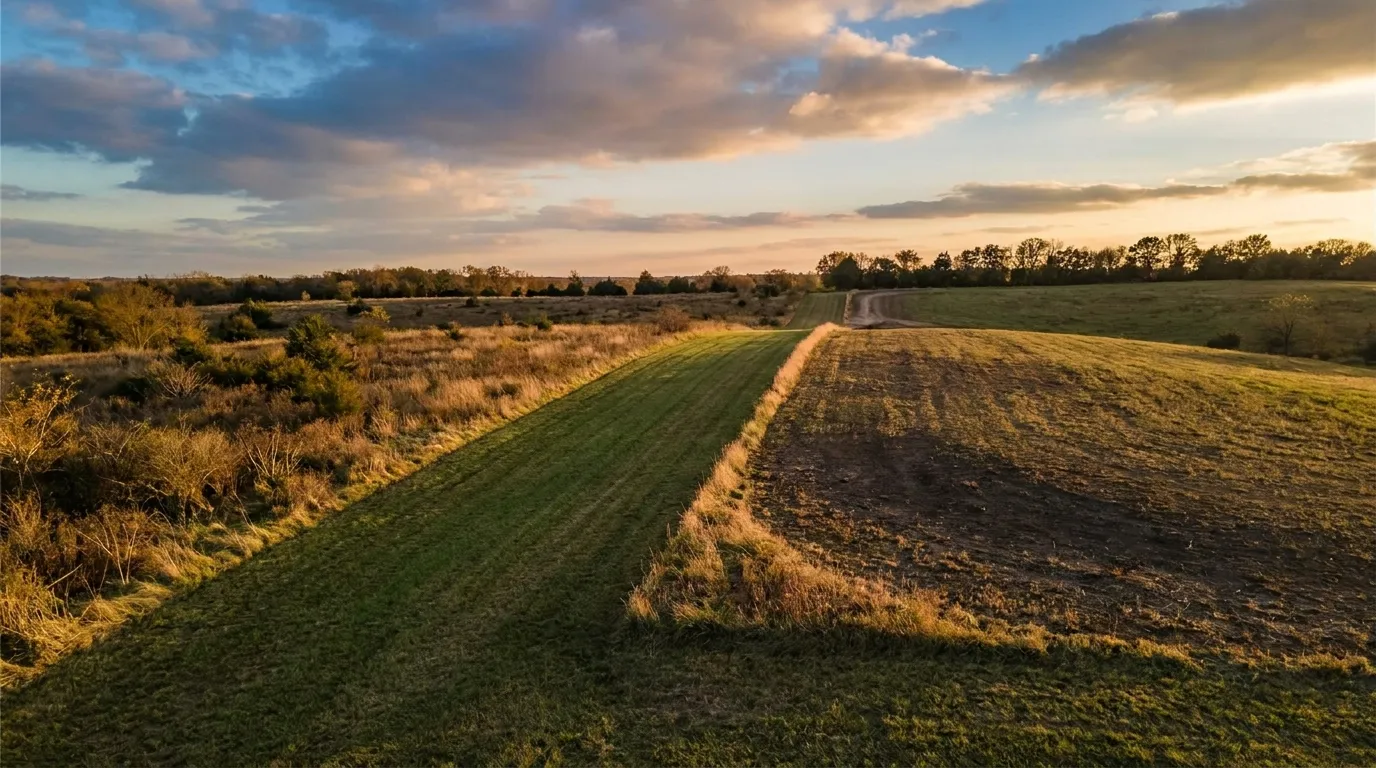
Conclusion
Selling undeveloped land takes a different approach than selling a house. Buyers are not just looking at a finished property. They are trying to understand what the land can realistically become. That is why access, zoning, utilities, boundaries, terrain, title status, and nearby demand matter so much. When these details are clear, the land is easier to value, easier to market, and easier for buyers to trust.
One of the biggest takeaways is that raw land sells best when the seller prepares for buyer questions before they come up. A parcel with good photos, clear records, and an honest description gives buyers a stronger reason to keep moving forward. On the other hand, missing paperwork, unclear access, unpaid taxes, or title problems can slow the process and cause serious delays later. In land sales, small details often have a big effect on buyer confidence.
Pricing also deserves careful thought. Acreage alone does not tell the full story. A smaller parcel with road frontage and utility access may be more appealing than a larger tract with limited usability. That is why comparing nearby sales is only part of the process. Sellers also need to think about local demand, zoning, topography, and what a buyer will need to spend after closing. A realistic price often brings better results than chasing a number that does not match the market.
It also helps to match the property with the right type of buyer. A rural homesite, recreational tract, inherited parcel, or future development lot will not attract the same audience. The more clearly you understand the land’s best use, the easier it becomes to market it in a way that speaks to serious buyers. Clear facts and simple language usually work better than broad claims.
Just as important, sellers should compare the full range of selling options. Listing with an agent, selling by owner, working with a land specialist, or accepting a direct offer each comes with different tradeoffs. The best path depends on your goals, timeline, and how much work you want to handle yourself. For some owners, waiting for a retail buyer may make sense. For others, a faster and simpler sale may be the better choice.
If you want a more direct and practical next step, Sekhem Capital Holdings can be a helpful resource for reviewing your options. If you are ready to talk through your property, you can also contact Sekhem Capital Holdings to share the basics and see what path may fit your situation best.
Selling undeveloped land takes more than posting an acreage number and waiting for interest. Because raw land has no structure or curb appeal, sellers need a clear plan for pricing, paperwork, marketing, and showing buyers what the property could become. These key takeaways will help you understand the smartest way to move forward with confidence, whether you want to sell land without a realtor or explore options with a trusted land buyer like Sekhem Capital Holdings.
Price the land based on real buyer demand: Raw land value depends on access, zoning, utilities, location, topography, and nearby sales, not just acreage.
Make the property’s potential easy to see: Undeveloped land sells better when buyers can picture the future use, so zoning clarity, drone photos, aerial maps, and 3D site plans can turn a blank parcel into a clear opportunity.
Gather your documents before listing: A deed, survey, tax records, and title information help prevent delays and give buyers more confidence during the sale.
Showcase access and development feasibility: Road access, buildability, clearing needs, and utility availability often matter more to buyers than lot size alone.
Market to the right buyers, not everyone: Developers, investors, builders, and land buyers look for different things, so your listing should speak directly to the group most likely to act.
Clear title issues early: Liens, ownership disputes, unpaid taxes, or missing records can slow closing, so it is best to resolve them before you go too far in the process.
Decide whether to sell with or without an agent: Selling for sale by owner can save fees, but a land specialist or direct buyer may be a better fit if you want a faster, simpler closing.
Tell a story, not just a listing: The strongest undeveloped land sales explain what the property could become, which helps buyers see value beyond empty acreage.
Understand the closing process before you accept an offer: A clear land purchase agreement, timeline, and title review can reduce surprises and help the sale move smoothly.
Cash buyers can reduce friction: If speed and certainty matter most, a cash offer may help you avoid financing delays, long marketing timelines, and extra back-and-forth.
If you want the best outcome, focus on both the facts and the future of the property. When you know how to present raw land in a way buyers can understand, you put yourself in a much stronger position to sell successfully. In the sections ahead, we will break down each step of how to sell undeveloped land with confidence and clarity.
Explore a Simpler Way to Sell Your Land
After comparing price, preparation, marketing, and closing steps, you may decide that a direct sale better fits your goals. If you own vacant, inherited, rural, or hard-to-market acreage, Sekhem Capital Holdings can help you review a practical selling option without the work of listing it yourself.
Share basic property details and your preferred timeline
Avoid managing showings and broad marketing efforts
Discuss known access, title, or condition concerns openly
Review an offer based on your land and situation
Take the next step and contact Sekhem Capital Holdings to discuss your land today.

Frequently Asked Questions
Quick answers about how we help out.
How do I sell my vacant land fast for cash?
Start by gathering the deed, parcel details, tax records, and any survey or title information you already have. Then make the land easy to understand with clear photos, known access details, and an honest description of zoning, utilities, and any restrictions. A fast cash sale usually works best when the property has limited retail demand, inherited ownership, or you want a simpler closing process. If you want a direct conversation, contact Sekhem Capital Holdings at https://schlands.framer.website/contact and share the basic property details.
Who buys undeveloped land for cash?
Cash buyers are often people or companies looking for a straightforward purchase without lender delays. They may be interested in vacant acreage, inherited land, rural parcels, or lots with access or title issues that make a traditional sale more difficult. The best cash buyer is one who communicates clearly, explains the process, and is comfortable evaluating land-specific details like zoning, access, and title status. If you want to discuss your parcel, Sekhem Capital Holdings can review the basics with you.
Is it better to sell land with a realtor or to a land buying company?
It depends on your goals. A realtor may help if your land has strong demand, clear buildability, and you are willing to wait for a retail buyer. A land buying company may fit better if you want a simpler process, fewer showings, and less uncertainty around financing or long marketing timelines. The right choice comes down to speed, convenience, and the net result after costs and effort. If you want to compare options, contact Sekhem Capital Holdings at https://schlands.framer.website/contact.
What documents do I need to sell undeveloped land?
Buyers usually want the deed, parcel number, tax records, any survey or recorded plat, known easements, and title information if you have it. Utility details, soil reports, permits, or prior development studies can also help if they exist. Good paperwork builds trust and helps prevent delays during the closing process. If you are missing something, it is still worth starting the conversation so you can see what is needed next.
How do zoning restrictions affect the sale of vacant land?
Zoning affects what a buyer may be able to do with the land, so it has a direct impact on demand and price. A parcel that can support a home, farm use, recreation, or future development will usually attract more interest than land with limited permitted uses. You should describe the zoning clearly and avoid guessing about what can be built. Buyers want facts, not promises, and they often verify zoning during due diligence before moving forward.