How to Sell Vacant Land Without a Realtor: A Step-by-Step Guide
Sekhem Capital Holdings
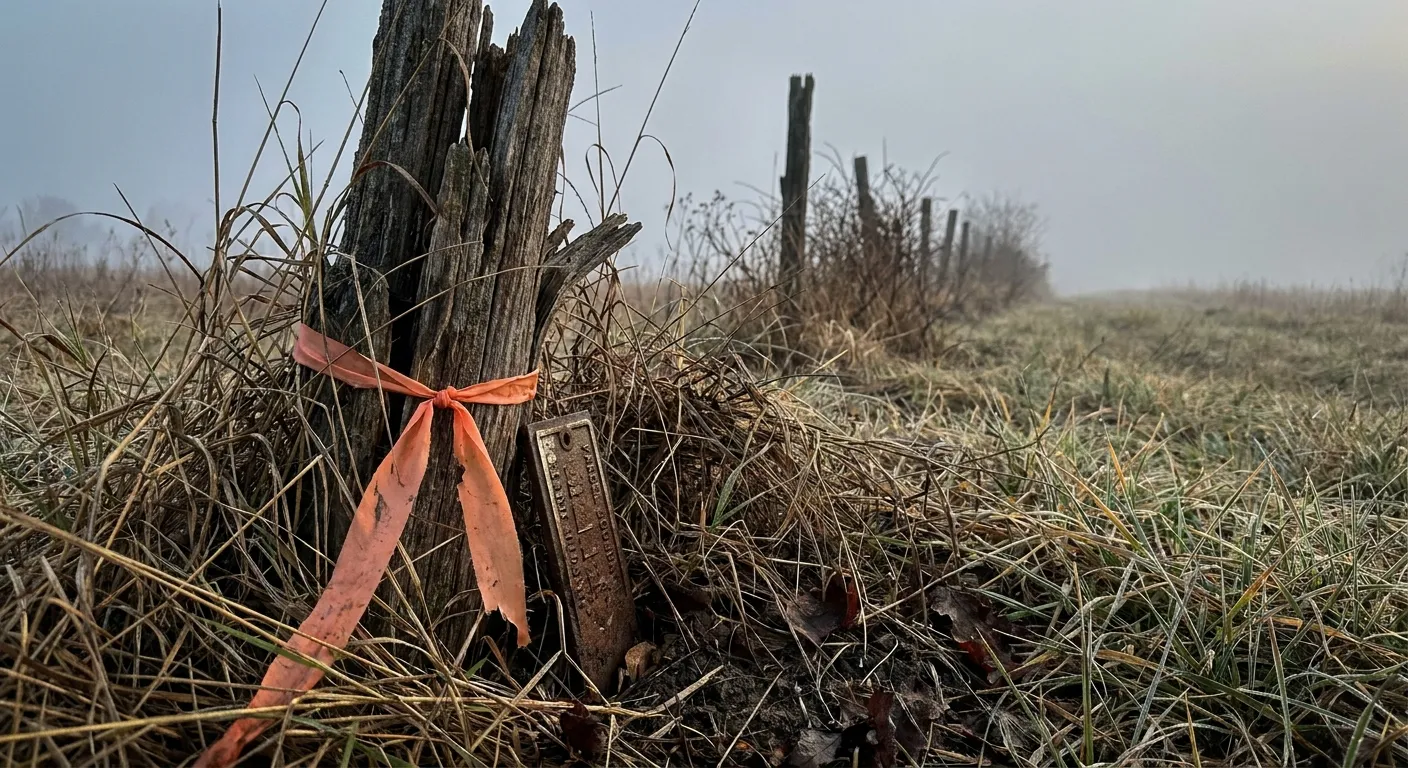
Selling vacant land without a realtor can save you a commission, but it also puts you in charge of every detail that helps a buyer feel confident enough to make an offer. Unlike a home sale, land buyers often need clear answers about zoning, road access, utilities, property boundaries, soil conditions, and what they can actually do with the property. A lot that looks valuable to its owner may be hard to sell if those questions are unclear, while a simple rural parcel with a clean title and good access may attract serious interest quickly.
If you own inherited land, a vacant lot you no longer plan to build on, or rural acreage that has become an ongoing tax bill, selling on your own may be worth considering. A for sale by owner land sale gives you more control over the asking price, marketing, negotiations, and timeline. It can also help you avoid an agent’s commission. Still, that savings comes with responsibility. You will need to research comparable land sales, prepare a clear vacant land listing, respond to buyer questions, review offers, and work through the land closing process with the right paperwork in place.
Learning how to sell vacant land without a realtor starts with treating the property like land, not like a house. Home-sale advice does not always apply when buyers are focused on buildability, permitted uses, easements, flood zones, or the cost of bringing in power and water. Buyers may also want copies of surveys, tax records, the property deed, and details about any restrictions before they move forward. Having this information ready can make your land easier to understand and can prevent delays later.
This guide walks you through the practical steps to sell vacant land by owner, from setting a realistic price to creating a listing that reaches the right buyers. You will learn how to evaluate land market value using comparable sales, explain key features without overpromising, handle inquiries, negotiate a land purchase agreement, and prepare for closing. You will also see the common mistakes that can cause a listing to sit too long, including poor pricing, incomplete property details, and unresolved title or tax issues.
Selling by owner is not the best path for everyone. If speed matters more than managing listings, showings, and buyer financing, comparing direct cash offers can help you decide which route fits your situation. Let’s look at what matters most before you put your land on the market.
How Selling Vacant Land Without a Realtor Is Different
Why vacant land is harder to sell than a house
Learning how to sell vacant land without a realtor starts with understanding that land buyers think differently than home buyers. A home can create an emotional reaction because buyers can picture living there right away. Vacant land usually requires more planning. Buyers may need to decide whether they can build, place a mobile home, hunt, camp, farm, or hold the property as an investment.
The buyer pool is often smaller, especially for rural property or lots with limited access. Many real estate agents also focus more time on homes because home sales can move faster. That means landowners selling on their own need to provide clear details and stay patient through a longer sales process.
What land buyers want to know first
Most serious buyers will ask practical questions before they ask about price. They want to know whether the property fits their plans and whether there are hidden barriers.
Common questions include:
What is the zoning, and what can be built there?
Does the parcel have legal road access?
Are power, water, sewer, or septic options available?
Are there deed restrictions, HOA rules, wetlands, or flood concerns?
What are the annual property taxes?
Is there a recent survey or clear boundary map?
Clear, honest answers help a buyer trust you. If you do not know an answer, it is better to say that you are checking than to guess. This early research also makes pricing and marketing much easier.
Why FSBO land sale advice from home sales can lead you wrong
A for-sale-by-owner home strategy often focuses on curb appeal, room photos, and neighborhood features. A vacant land listing needs to focus on facts: parcel size, zoning, access, terrain, utilities, and possible uses.
Land buyers need enough information to judge risk before they visit. A land-specific process helps you avoid wasted conversations and focus on buyers who understand the property. The first step is making sure you know exactly what you own.
Check Your Land Before You List It
Confirm ownership and basic parcel details
Before listing land, locate the current deed, parcel number, legal description, and tax record. Your county assessor, recorder, or land records office may provide some of this information. Make sure the owner name on the deed matches the person or people who will sign the sale documents.
This step is especially important for inherited land. Probate may still be open, there may be multiple heirs, or a deceased owner’s name may still appear in county records. If several family members own the land, all required owners may need to agree to the sale and sign closing documents.
Review zoning and land use rules
Zoning can strongly affect land value. A residential lot may appeal to someone who wants to build a home, while agricultural acreage may interest farmers, horse owners, or people seeking recreational property. Other parcels may be limited by local rules, subdivision restrictions, minimum lot sizes, or setbacks.
Contact the county or city planning office to ask about the current zoning and permitted uses. Do not tell a buyer that land is “buildable” unless you have reliable information to support that statement. Instead, explain what you know and encourage buyers to confirm their specific plans with local officials.
Check access, utilities, and physical features
Access can make or break a land sale. A parcel with direct frontage on a maintained public road is usually easier to market than one reached through private land. If access depends on an easement, gather any documents that explain where the easement is and who can use it.
Also check the available utilities and physical conditions. Important details include power lines, water service, sewer availability, septic suitability, slope, drainage, timber, flood zones, and wetlands. A beautiful rural parcel can still be difficult to use if it has steep terrain or no legal way to reach it.
Look for title, tax, or lien issues early
Unpaid property taxes, old liens, boundary disagreements, and missing ownership documents can delay a land closing. These issues do not always prevent a sale, but they are much easier to address before you accept an offer.
A title company can identify many ownership concerns during title work. Still, it helps to be upfront if you know of a possible problem. Once your parcel details are clear, you can set a price based on the market instead of guesswork.
How to Price Vacant Land for Sale by Owner
Start with comparable land sales
The best starting point for land value is recent sales of similar parcels, not asking prices from active listings. Look for land in the same general area with similar acreage, zoning, access, and use potential. County records, local listings, and land sale websites may help you find comparisons.
A five-acre residential lot near utilities should not be compared only with a 50-acre hunting tract miles away. Even two nearby lots can have very different values if one has paved road frontage and the other is landlocked.
Adjust for access, utilities, and buildability
Comparable sales provide a starting point, but each parcel needs adjustments. Land with legal access, nearby power, a usable building site, and clear boundaries may attract more interest. A parcel that needs a road built, has wet areas, or faces restrictive zoning may need a lower price to reflect the added work and uncertainty.
Be realistic about what buyers will need to spend after closing. If they must pay for a survey, driveway, well, septic system, or utility extension, that affects what they may offer.
Consider location, demand, and land type
Local demand matters. A suburban infill lot near jobs, schools, and new construction may attract builders. Rural acreage may appeal to buyers seeking privacy, recreation, farming, or a future homesite. Land near highways, growing towns, lakes, or public recreation areas may receive more attention than similar property in a remote area.
Inherited land should be priced based on its current condition and local demand, not just family memories or what nearby homes sell for.
Decide on a pricing strategy
Think about your main goal. If you want the highest possible return, you may list near the upper end of reasonable comparable values and allow time for marketing. If you want a simpler or faster sale, a competitive price may bring more interest.
Overpricing is one of the most common FSBO land sale mistakes. A listing that sits for months can make buyers wonder what is wrong with it. With a price range in mind, you can prepare the documents and materials buyers expect.
Prepare the Property and Documents Buyers Expect
Make the land easy to understand
Vacant land does not need expensive staging, but it does need a clear presentation. Take recent photos from the road, access point, interior, and any useful features such as a clearing, creek, view, or power line. Include a parcel map so buyers can understand the general shape and location.
Describe strengths honestly. For example, say “wooded five-acre parcel with county road frontage” rather than claiming it is a ready-to-build homesite when that has not been confirmed.
Gather the paperwork before you list
Having documents ready saves time when a serious buyer appears. Useful records may include:
Current deed and legal description
Property tax statement or tax parcel record
Survey, plat map, or boundary information
Zoning information and known restrictions
HOA documents, if applicable
Easement records and utility information
A title company will usually order formal title work after a contract is signed, but early paperwork helps buyers feel more confident and can support a smoother land closing process.
Fix small issues that hurt buyer confidence
You do not need to make major improvements to sell vacant land. However, small steps can reduce doubt. Clear brush from a safe access point if permitted, mark a rough entrance, remove obvious trash, and make sure your map matches the parcel you are selling.
Do not mark boundary lines unless you are certain of their location. If boundaries are unclear, say so and provide the survey if one exists. With the property organized, you can focus on getting it in front of the right buyers.
Where and How to Market Vacant Land
Choose the right places to list vacant land
Land shoppers often search by acreage, county, road access, price, or intended use. They may not use the same websites or search terms as home buyers. Post your listing where land buyers are likely to look, and share it with local groups or contacts when appropriate.
You can also compare a traditional listing effort with other ways to sell vacant land, including a direct sale. The right path depends on how much time you want to spend answering leads and arranging visits.
Write a listing that answers buyer questions
Your listing should be simple and factual. Put the most important details near the top: acreage, county, parcel number, zoning, road access, utilities, terrain, taxes, and known restrictions.
Avoid vague phrases such as “great opportunity” without supporting facts. A stronger description might explain that a parcel is 2.3 acres, has gravel road frontage, is zoned residential, and has electric service nearby. Buyers can decide whether it fits their needs.
Use strong photos, maps, and property details
Photos should help a buyer understand the land, not hide its condition. Include wide shots, the entrance, road frontage, terrain, and any notable features. If using aerial images, label the parcel carefully and note that lines are approximate unless based on a survey.
Add nearby landmarks, road names, and directions for a drive-by visit when safe. This makes it easier for out-of-state buyers and rural property shoppers to evaluate the location.
Reach the right type of buyer
Different buyers care about different land features. Builders may focus on zoning and utility access. Investors may care about growth and resale potential. Hunters may ask about timber, habitat, and nearby public land. Buyers seeking a country homesite may care most about privacy, road quality, and septic options.
Tailor your listing to the most likely buyer without excluding other reasonable uses. Once leads arrive, your communication can help separate serious buyers from casual browsers.
How to Handle Buyer Questions and Showings
Be ready for common land questions
Keep a simple information sheet ready to send buyers. It can include the parcel number, acreage, taxes, zoning, access details, map, and available documents. Fast, accurate responses show that you are prepared.
If a buyer asks whether they can build, install a manufactured home, subdivide, or hunt on the land, explain the facts you know. Remind them to verify their intended use with the proper local office.
Explain the property in simple terms
Land terms can confuse buyers. Instead of only saying “ingress and egress easement,” explain that the parcel is reached through a recorded right to use a specific private road. Instead of saying “perc status unknown,” explain that septic suitability has not been confirmed.
Simple language reduces misunderstandings. It also prevents buyers from assuming something that was never promised.
Manage showings and site visits safely
Set clear expectations before anyone visits. Tell buyers where to park, whether the property can be viewed from the road, and whether they should meet you at a specific location. Confirm the visitor’s name and phone number, especially for remote parcels.
Avoid walking unknown buyers through isolated land alone. Respect neighboring properties, gates, and private roads. Once a serious buyer is ready, the conversation shifts from viewing the parcel to reviewing an offer.
How to Negotiate a Land Purchase Agreement Without an Agent
Understand the main parts of an offer
A land purchase agreement should clearly state the price, legal description, earnest money deposit, due diligence period, contingencies, and closing date. Earnest money is a deposit that shows buyer intent. A due diligence period gives the buyer time to inspect the property, review title, and confirm their plans.
Read every term, not just the price. A high offer with broad contingencies or a long inspection period may carry more uncertainty than a slightly lower, cleaner offer.
Compare cash offers and financed offers
Cash offers can be simpler because they do not depend on a lender’s appraisal or loan approval. That does not mean every cash offer is automatically best. Review the buyer’s timeline, requested conditions, deposit, and ability to close.
Financed land deals may take longer and can fall through if the buyer cannot secure financing. Consider the full strength of the offer, not only the number at the top of the page.
Protect yourself in the purchase agreement
Make sure the agreement identifies the correct parcel and legal description. It should state which title company will handle closing, who pays specific closing costs, and what happens if title problems appear.
Clear written terms protect both sides. If the property has complicated access, shared ownership, or a title concern, a title company, qualified attorney, or experienced land resource can help you understand the process. The contract then leads to the paperwork needed for closing.
What Paperwork You Need to Close the Sale
Core documents for a land sale
The key documents often include the signed purchase agreement, deed, title work, tax information, and any survey or plat map. The deed transfers ownership. Title work reviews the ownership history and identifies liens, easements, or other items that may affect the transfer.
Your closing provider may request additional documents depending on the state and property. Responding quickly helps keep the transaction moving.
Title company and closing documents
A title company can hold funds in escrow, coordinate required documents, prepare a settlement statement, and record the deed after signing. The settlement statement shows the sale price, fees, taxes, and final amount due to each party.
Using a neutral closing provider can build trust because both buyer and seller can see how funds and documents are handled. Ask questions if you do not understand a fee or required form.
Special paperwork for inherited land or shared ownership
Inherited land may require probate records, death certificates, heirship documents, or signatures from multiple owners. Family-owned land can become difficult when one owner is unavailable or disagrees with the sale.
Power of attorney documents may also need review if someone is signing for another owner. Address these matters early, because they can take longer than a standard title review. With documents in place, the final closing steps become much more manageable.
Closing the Land Sale Without a Realtor
How the land closing process works
After you accept an offer, the buyer usually deposits earnest money with the title company or agreed escrow holder. The title company begins title work, and the buyer completes due diligence. If both parties remain satisfied and the title is clear enough to close, closing documents are prepared.
At signing, you will review and sign the deed and other required forms. Funds are transferred according to the settlement statement, and the deed is recorded with the local county office.
Common reasons closings get delayed
Delays often happen because of unpaid taxes, old liens, missing signatures, unclear ownership, survey conflicts, or incomplete probate. Buyer financing and extended due diligence can also slow the process.
Preparation helps, but some issues take time to resolve. Honest communication with the buyer and title company is usually better than ignoring a problem until the scheduled closing date.
Closing costs to expect
Selling without a realtor can reduce commission costs, but sellers may still pay certain expenses. These can include title fees, recording charges, transfer taxes where applicable, prorated property taxes, lien payoffs, or attorney fees.
The purchase agreement should explain how closing costs are divided. Review the settlement statement before signing so you know your estimated net proceeds.
Make sure the transfer is clean
Before considering the sale complete, confirm that payment has been received through the agreed closing process and that the deed will be recorded. Keep copies of the signed agreement, settlement statement, and recorded deed information.
A clean transfer protects both buyer and seller. If the normal listing process feels too demanding for your situation, a direct cash sale may be worth comparing.
When Selling Directly to a Cash Buyer Makes More Sense
When speed matters more than listing effort
A direct sale may fit owners who inherited unwanted land, live out of state, face ongoing property tax costs, or simply do not want to manage listings and showings. It can also be useful for rural property that has limited demand or needs more buyer education.
This option is not always the best choice for every parcel. A marketed FSBO sale may attract a higher offer in a strong area, but it also requires more time and follow-up.
What a cash land buyer can simplify
A legitimate cash buyer may simplify the process by reducing showings and avoiding many financing-related delays. The buyer may already understand rural acreage, access concerns, title questions, or vacant lot restrictions.
When comparing cash land buyers, ask how they determine price, whether they use a title company, what closing costs they expect, and whether there are contingencies. Clear answers are a sign of a more transparent process.
Compare FSBO savings with the time and risk involved
Selling by owner can save on agent commissions, but it also puts pricing, marketing, buyer screening, negotiations, and paperwork coordination on you. A direct sale may offer less control over marketing price but require less effort.
Contact Sekhem Capital Holdings if you want to compare a direct sale option with listing the land yourself. Whichever path you choose, avoid common mistakes that can weaken your position.
Common Mistakes to Avoid When Selling Land Yourself
Copying house-sale habits
Do not rely on home-sale language or home pricing to market vacant land. Buyers need parcel facts, not interior features or broad promises. Focus on the land’s usable features and limitations.
Overpricing or underexplaining the property
An unrealistic price can stop inquiries, while missing details can make serious buyers move on. Explain access, zoning, utilities, and restrictions clearly. Clarity often creates more confidence than sales language.
Waiting too long to fix title or tax problems
Do not wait until escrow to discover unpaid taxes, an old lien, or missing heir signatures. These issues can scare off buyers or force a closing delay. Start gathering ownership and tax information before listing.
Ignoring serious buyer questions
Slow or vague replies can make a buyer question whether the sale will be difficult. Keep records organized and respond honestly. That steady communication helps you decide whether FSBO or a direct path better fits your needs.
How to Decide Between FSBO and a Direct Sale Path
Questions to ask yourself before you choose
Ask yourself how much time you can give the sale, how comfortable you are with paperwork, and whether you can answer detailed buyer questions. Also consider local demand, the property’s condition, and how quickly you need to close.
Your best choice should balance expected price, effort, risk, and timing.
When selling by owner may fit best
A FSBO land sale may work well when title is clear, the parcel has good access, demand is strong, and you are willing to market the property consistently. It can be a practical path for organized sellers who are comfortable comparing offers and working with a title company.
Be prepared for a smaller buyer pool than you might see with a house sale. Patience and follow-up are often part of the process.
When a simpler direct path may be better
A direct sale may be a better fit when the property is inherited, remote, hard to market, or costly to hold. It can also help owners who do not want to coordinate photos, listings, site visits, and long negotiations.
A trustworthy resource such as Sekhem Capital Holdings can help landowners explore their options without treating every property the same. The right selling path is the one that matches your land, timeline, and comfort level.
Conclusion
Selling vacant land without a realtor takes a different mindset than selling a house. Buyers are not just looking for a place to live. They want to know what the land can be used for, whether it has legal access, what the zoning allows, and if there are any issues with utilities, taxes, or title. When those facts are clear, the sale process becomes easier to manage and easier for buyers to trust.
One of the biggest lessons from this process is that preparation matters as much as pricing. Before listing, landowners should confirm who owns the property, review the deed and parcel details, check zoning rules, and look for anything that could slow down closing. That includes unpaid taxes, liens, boundary concerns, easements, or missing heir signatures on inherited land. These are the kinds of issues that can create delays later if they are not handled early.
Pricing also needs to match the land, not just the seller’s hopes. A parcel with road frontage, utility access, and strong local demand may attract more interest than remote or restricted land. At the same time, overpricing can cause a listing to sit too long and lose momentum. Looking at recent comparable land sales, then adjusting for access, buildability, location, and land type, gives sellers a more realistic starting point.
Clear marketing makes a major difference too. A good land listing should answer the questions buyers ask first. Size, zoning, road access, terrain, taxes, and known restrictions should be easy to find. Good photos, maps, and simple descriptions help serious buyers decide quickly whether the property fits their plans. The goal is not to make the land sound perfect. The goal is to make it easy to understand.
For some sellers, a traditional FSBO land sale is the right choice. It can work well when the title is clean, the property is easy to access, and the seller has time to handle questions and paperwork. For others, a direct sale may be better. That is often true for inherited land, rural property, unwanted lots, or parcels that are costly to hold and harder to market. A cash buyer can sometimes simplify the process by reducing delays and cutting down on back-and-forth, but the full terms still need to be reviewed carefully.
No matter which path you choose, the key is to stay informed and realistic. Selling land is not just about finding any buyer. It is about finding the right buyer and moving through the sale with fewer surprises. If you want help comparing your options, Sekhem Capital Holdings can be a helpful and trustworthy resource as you decide whether to sell on your own or take a more direct path.
Selling vacant land without a realtor can work well, but it is not the same as selling a house. Vacant land usually takes longer to move, attracts fewer buyers, and needs a more focused approach to pricing, marketing, and closing. These key takeaways will help you understand the steps, avoid common mistakes, and decide whether a sell vacant land approach or a direct buyer path makes the most sense.
Start by treating land like land, not a house: Vacant land has a smaller buyer pool, longer timelines, and different selling rules, so home-sale advice often misses the mark.
Price from comparable land sales, not guesswork: Look at recent nearby land sales, zoning, access, utilities, and topography to set a realistic asking price.
Make the property easy to understand: Clear photos, a simple map, parcel details, and notes on road access, water, sewer, and zoning help buyers see the land’s potential.
Market where land buyers actually search: A strong vacant land listing on the right sites can bring more attention than a general real estate listing built for homes.
Prepare for questions about use and access: Buyers often want to know if the land can be built on, how they can reach it, and whether any restrictions affect future plans.
Get the paperwork ready early: A deed, purchase agreement, title information, and any tax or survey records can help the sale move faster and reduce delays.
Watch for title and closing issues: Liens, unpaid taxes, ownership questions, and missing documents can slow a land closing if they are not handled before escrow.
Compare FSBO savings against speed and effort: Selling by owner can save commission, but it also means you handle marketing, negotiation, and follow-up yourself.
A cash buyer can be the faster exit: If you want to sell land fast without a realtor, a direct cash offer may cut down on waiting, repairs, and buyer financing problems.
Avoid the common land-sale mistake of copying home-sale steps: The best results come when you build your plan around vacant land buyers, not traditional house-selling habits.
Once you understand these basics, the rest of the process becomes much easier to follow. In the sections ahead, you will see how to price, market, and close a vacant land sale step by step, along with when it may make more sense to work with Sekhem Capital Holdings or reach out through the contact page for a simpler path forward.
Explore a Simpler Way to Sell Your Land
If managing listings, showings, buyer questions, and paperwork feels like more than you want to handle, a direct sale may be worth comparing. Sekhem Capital Holdings can help you explore a clear path for vacant land, inherited property, rural acreage, or hard-to-market lots.
Avoid the work of creating and managing listings
Share your parcel details with land-focused buyers
Compare a direct option against your FSBO plan
Get straightforward answers about the next steps
Work toward a sale that fits your timeline and goals
You do not have to decide today, but getting information early can help you choose with confidence. Contact Sekhem Capital Holdings to discuss your land and explore your selling options.

Frequently Asked Questions
Quick answers about how we help out.
How do I sell vacant land fast without a realtor?
To sell vacant land fast without a realtor, focus on clarity and readiness. Confirm who owns the parcel, gather the deed, tax record, survey or map, and note zoning, access, utilities, and known restrictions. Price the land based on recent comparable land sales, then market it with honest photos and a listing that answers the first buyer questions. If speed matters more than managing inquiries and paperwork, a direct sale may be worth comparing. Contact Sekhem Capital Holdings at https://schlands.framer.website/ to explore a direct option.
What paperwork do I need to sell vacant land by owner?
The core paperwork usually includes the deed, legal description, parcel number, tax records, and the signed land purchase agreement. A survey, plat map, title information, easement records, and any HOA or deed restriction documents can also help buyers move forward. If the land is inherited or shared with other owners, you may need extra ownership documents before closing. A title company can help coordinate the closing process and identify anything missing.
How do I price vacant land for sale by owner?
Start with recent comparable land sales, not with a guess or the price you hope to get. Then adjust for the factors buyers care about most, including road access, utilities, zoning, buildability, acreage, terrain, location, and any restrictions. A parcel that is easy to access and ready for common uses will usually draw more interest than land with limited access or unresolved issues. If you want help comparing a direct sale with listing it yourself, contact Sekhem Capital Holdings at https://schlands.framer.website/.
Is it better to sell land with a realtor or to a cash land buyer?
The better choice depends on your goal. A realtor may help if your land is easy to market, title is clean, and you are willing to wait for the right buyer. A cash land buyer may be a better fit if you want fewer showings, fewer financing delays, or a simpler process for inherited land, rural acreage, or hard-to-market property. Compare the total effort, likely timeline, and buyer transparency before deciding. If you want to review a direct sale path, Sekhem Capital Holdings can help at https://schlands.framer.website/.
What affects the value of vacant land the most?
The biggest value drivers are location, zoning, road access, utility access, buildability, acreage, and local demand. Title status, property taxes, easements, wetlands, flood concerns, and other restrictions also matter because they affect how usable the land is for a buyer. Two similar parcels can have very different value if one is easy to build on and the other needs extra work or has limited access. The most accurate way to judge value is to compare recent sales of similar land and then account for the parcel’s specific features.