How to Sell Your Land: From Initial Decision to Closing
Sekhem Capital Holdings
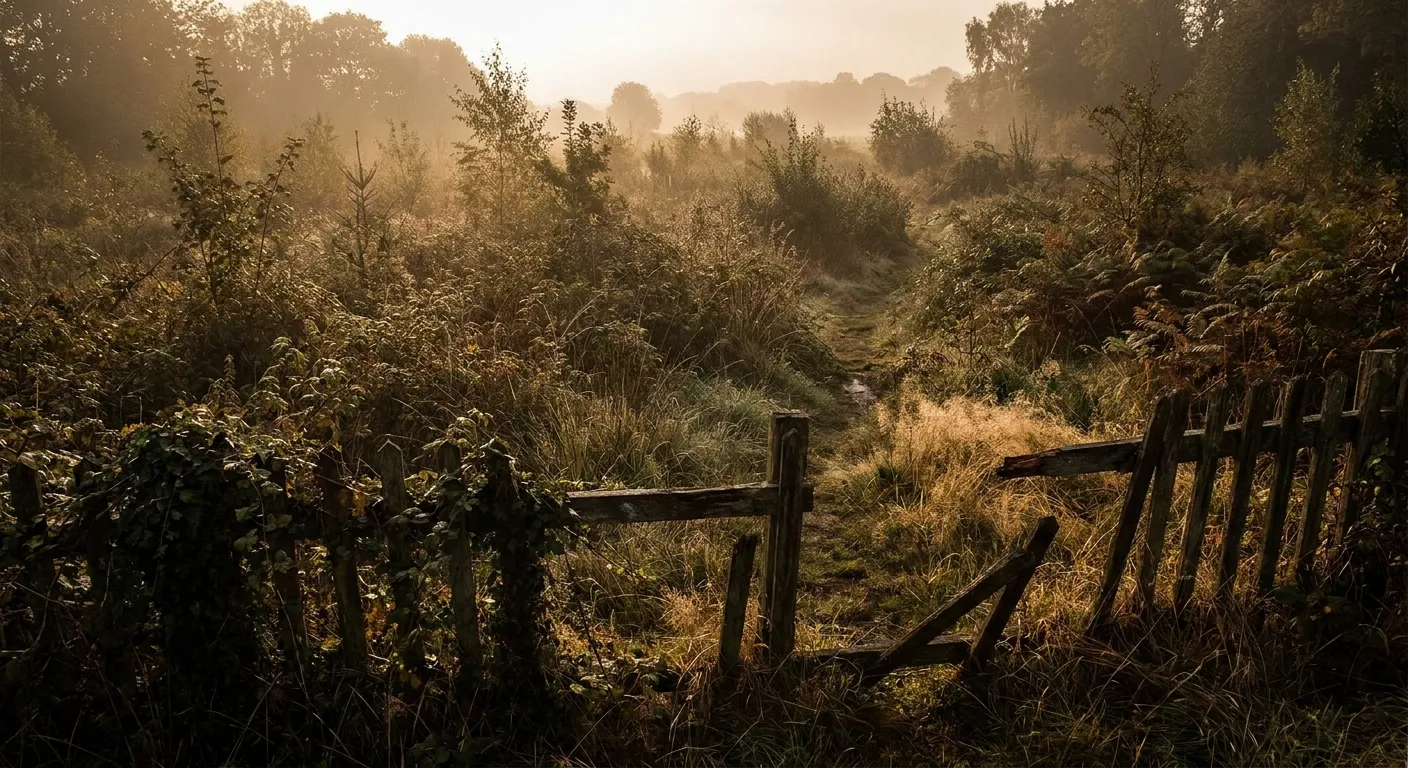
Selling land is rarely as straightforward as it seems. Each plot comes with unique considerations—location, zoning, access, and even its title history—that can all influence how quickly it sells and how much you walk away with. If you've recently found yourself thinking, "I want to sell my land," you may also feel unsure about where to begin or overwhelmed by your options.
Whether you're dealing with inherited property, a vacant parcel you no longer need, or rural land far from home, the path to selling successfully starts with understanding your options. Should you work with a realtor, navigate the process on your own, or explore faster alternatives like cash land buyers? Each approach has its own pros and cons, depending on your priorities for speed, costs, and simplicity.
From accurately pricing your land to preparing key documents for closing, selling land is a step-by-step process. Knowing how to avoid common pitfalls and confidently navigate your options can make all the difference in achieving your goals without unnecessary stress or delays.
In the following guide, we’ll walk you through everything you need to know to sell your land, from assessing its value and addressing any property issues to exploring the fastest, easiest ways to close. If simplifying the process matters to you, working with reputable buyers like Sekhem Capital Holdings could be the solution you need. Let’s dive into the essential steps that will help you move forward with clarity and confidence.
Emotional and Practical Challenges in Selling Land
Selling land can be an emotional and overwhelming process, especially for first-time sellers. You might feel a deep connection to your property, whether it’s inherited land, a piece of rural acreage, or vacant space you’ve owned for years. At the same time, practical concerns like zoning laws, market value, and the sales process might create stress. Many landowners ask themselves, "Where do I even start?"
If you’re thinking, "I want to sell my land, but I’m not sure how," start by considering your goals. Are you looking for a quick sale, or do you want to get the highest possible price? Are there emotional reasons holding you back, or practical questions you need to address? Breaking the process into clear steps can ease both the emotional and logistical challenges.
The land selling journey is different from selling a home, and understanding those differences is essential. There are no open houses or tenants to deal with, and buyers may care more about zoning rules or access to utilities than cosmetic details. The following sections will help you navigate the process confidently.
Steps to Prepare Your Land for Sale
When selling your land, preparation is key to attracting buyers and securing the best deal. Proper preparation can also help you avoid common mistakes or delays during the sales process.
1. Assess the Land’s Condition
Start by walking your property and taking note of its current state. Is vegetation overgrown? Are there signs of trash or debris? Land that appears well-kept attracts more interest. Clear any overgrowth and remove anything unsightly that could turn buyers away.
2. Gather Essential Documents
One of the most common questions landowners ask is, "What documents do I need to sell my land?" To complete the sale smoothly, you’ll need:
The property deed to prove ownership.
Proof of paid property taxes.
Recent surveys or a legal description of the property.
Zoning details to confirm legal uses of the land.
Any additional documentation, like easements or agreements tied to the property.
If you’re unsure about any of these, consider consulting a title company or contacting Sekhem Capital Holdings, where experienced professionals can guide you.
3. Determine Zoning and Restrictions
Zoning laws dictate how land can be used. For example, some areas allow for residential or agricultural use, while others may restrict commercial development. Check local zoning regulations to clarify your land’s potential uses and know what target buyers are likely seeking.
4. Evaluate Road Access and Utilities
Land without adequate road access or utilities like electricity and water can be harder to sell. Many buyers are hesitant to purchase land that requires extra investments to become usable. Be upfront about these factors in your listing or provide information on how improvements can be made.
By addressing these preparation steps, you’ll reduce obstacles for buyers and make your property more appealing in the market.
Pricing Your Land
"How do I price my land?" is one of the most critical questions sellers face. Unlike homes, land is more challenging to value because there are fewer comparable properties in many areas. Here are some tips to help determine a competitive price:
1. Consider Location and Market Demand
Your land’s location is the most significant factor in its value. Is it close to a growing city, or is it in a remote rural area? Proximity to amenities like schools, shopping, and recreational areas often increases the price. Research local real estate trends to understand what buyers are actively seeking in your region.
2. Account for Usability and Features
Flat, buildable land with good soil, ample road access, and available utilities is usually worth more than rugged or inaccessible terrain. If your land offers unique features like waterfront access, consider how these add value.
3. Consult a Professional Appraiser
If you’re unsure about pricing, working with an appraiser can help. These professionals evaluate your land based on location, size, features, and market trends to provide an accurate valuation. While this involves a small fee, it can prevent you from overpricing or undervaluing your property.
Proper pricing ensures that your land stays attractive to buyers without being undervalued for a quick sale.
Exploring Your Selling Options
Once your land is prepared and priced, the next challenge is deciding how to sell it. Each approach has its pros and cons, depending on your goals and comfort level.
1. Selling with a Real Estate Agent
Real estate agents are especially helpful if you’re unfamiliar with the selling process. They can market your property and handle negotiations. However, they charge commissions—commonly 5-10 percent—which can reduce your profit.
2. Selling By Owner (FSBO)
Selling land yourself, known as FSBO (For Sale By Owner), lets you avoid commission fees and maintain complete control. However, this requires more work, including marketing, pricing, and paperwork. FSBO might not be ideal for first-time sellers.
3. Selling to Cash Land Buyers
If you want to sell land fast, cash land buyers such as Sekhem Capital Holdings offer a quick and hassle-free option. They buy land directly, eliminating the need for marketing or waiting months for a buyer. This is ideal for sellers who value speed over maximum price or those dealing with challenges like inherited property or unclear titles.
Understanding the pros and cons of these methods ensures you select the right path for your situation.
Avoiding Common Selling Mistakes
It’s easy to make mistakes during the land selling process, especially if it’s your first time. Here are some pitfalls to watch out for:
Overpricing Your Land: Emotional attachment can lead to unrealistic expectations. Pricing too high drives away potential buyers.
Neglecting Research: Failing to check zoning, property surveys, or flood zones can lead to surprises and buyer mistrust.
Ignoring Title Issues: Any discrepancies in ownership records can delay or derail the sale entirely. Check for unresolved liens or boundary disputes early in the process.
Accepting the First Offer Without Evaluation: While it’s tempting to accept a fast offer, reviewing all your options ensures you get the best deal.
Avoid these mistakes to save time and frustration. If in doubt, contact Sekhem Capital Holdings for trusted guidance.
Closing the Sale
The property sale is almost complete once you have a buyer. However, closing can bring its own challenges. Here’s how to manage the process:
1. Review the Purchase Agreement
The purchase agreement outlines all terms of the sale, including price, closing date, and conditions. Make sure you understand everything before signing.
2. Handle Closing Costs
Closing costs for land include title search fees, deed recording, and potential surveying expenses. Sometimes, buyers cover these, but it’s essential to clarify this in the agreement.
3. Transfer Ownership
At closing, ownership will be transferred to the buyer. Be prepared with all necessary documents, including the deed, and ensure taxes are paid to date.
The closing process is often smoother when working with professionals, such as a trusted title company or experienced cash buyer like Sekhem Capital Holdings.
By staying organized and informed, you’ll complete the sale with confidence.
Conclusion
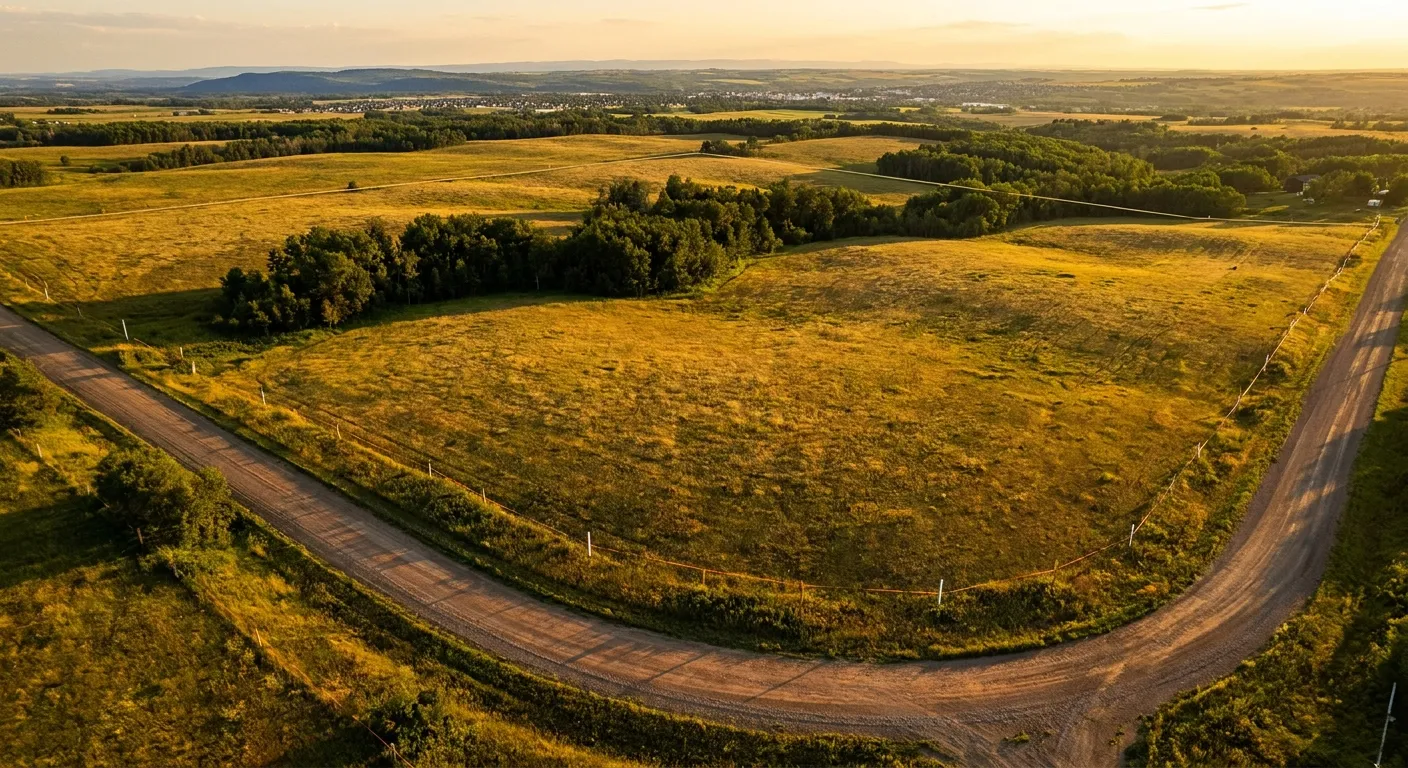
Selling land can feel overwhelming, but by addressing both practical and emotional considerations, you can simplify the process and achieve your goals. Unlike selling a home, the focus for land sales is often on factors like zoning, access, utilities, and usability. Understanding these differences helps you prepare your land in ways that attract serious buyers and avoid common pitfalls.
Start by assessing your land’s condition, gathering critical documents, and clarifying zoning rules or restrictions. Thorough preparation ensures a smoother selling experience while boosting your land's appeal to potential buyers. Pricing your property correctly is equally important. Researching local market trends, evaluating usability, and consulting an appraiser can help you set a competitive, realistic price.
Choosing the right selling option is key. Traditional real estate agents can handle marketing and negotiations, but their commissions reduce your earnings. Selling by owner (FSBO) offers control but requires more time and effort. For those seeking a fast and simple sale, working with cash land buyers like Sekhem Capital Holdings can be an excellent solution. Cash buyers simplify the process by eliminating lengthy delays and handling title or closing concerns directly.
Avoiding major mistakes—such as overpricing, neglecting research, or ignoring title issues—will save you time, frustration, and unnecessary expenses. Clear communication, attention to detail, and professional support can make all the difference in completing a successful transaction.
Selling land doesn’t need to be complicated. By breaking the process into actionable steps, you can move forward with confidence and clarity. Whether you’re selling inherited property, rural acreage, or vacant land, take the time to choose the best approach for your situation. For those who value speed, simplicity, or expert guidance, Sekhem Capital Holdings can provide trusted assistance to help you sell your land quickly and efficiently.
No matter your goals, preparation and informed decisions are the foundation for selling your land successfully.
Selling land can feel like a major decision, especially if you’re unsure where to start or what steps are involved. Many property owners search “I want to sell my land” because they’re overwhelmed by the process or wondering how to make the best decision. The following takeaways aim to provide clarity, confidence, and actionable guidance as you begin your land selling journey.
Start by understanding your land’s true value: Factors like location, access, zoning, utilities, and local demand can significantly impact the price your land can command.
Consider all your selling options: Selling through a real estate agent, listing the property yourself, or working with cash land buyers each offers pros and cons depending on your goals for speed, cost, and ease.
Proper preparation can attract better offers: Ensuring property markers are visible, addressing any access issues, and gathering documents like the deed or tax records can make a big difference.
Know the role of legal and zoning issues: Zoning restrictions, flood zones, and utility availability all affect buyer interest and price, so review these details before listing.
Direct cash buyers can simplify the process: Selling to a trusted company like Sekhem Capital Holdings can eliminate delays, offer a fair price, and save you from realtor fees or lengthy negotiations.
Avoid common first-time seller mistakes: Don’t skip research on property value, fail to disclose key details, or rush into the first offer without comparing options.
Plan for a realistic timeline: The time to sell land varies based on market conditions, location, and buyer interest—explore faster options if needed, like Sekhem Capital Holdings.
Gather necessary documents early: You’ll need the deed, tax history, any surveys, and proof of ownership to move through closing efficiently.
By focusing on these critical steps and exploring your options, you can move through the land selling process with clarity and confidence. In the sections ahead, we’ll dive deeper into each stage to simplify your journey from initial decision-making to final closing.
Ready to Sell Your Land Without the Hassle?
Selling land doesn’t have to feel overwhelming or uncertain. At Sekhem Capital Holdings, we make the process simple, fast, and stress-free. Whether you're ready to move on from inherited property or need a quick sale, we’re here to help.
Skip long waits—no need to list your property or deal with agents.
Sell in any condition—we buy land as-is, so you don’t have to make improvements.
Transparent process—no hidden fees or unexpected hurdles.
Guidance every step of the way—our team answers your questions and ensures everything is clear.
Don’t let questions or delays hold you back. Take the first step now—contact Sekhem Capital Holdings for a no-obligation offer today!

Frequently Asked Questions
Quick answers about how we help out.
How do I sell my land fast?
To sell your land quickly, consider working with a cash land buyer like Sekhem Capital Holdings. They provide a straightforward process without the need to list the property or make improvements. This method can significantly shorten the selling timeline. For more information, contact Sekhem Capital Holdings for a no-obligation offer.
Who buys vacant land for cash?
Cash land buyers like Sekhem Capital Holdings specialize in purchasing vacant land directly from owners. They offer a hassle-free process, buying land in its current condition without the need for lengthy negotiations or listings.
Is selling directly to a cash land buyer worth it compared to listing on the MLS?
Selling directly to a cash land buyer offers the benefits of speed and simplicity. Unlike listing on the MLS, where the sale might take longer, cash buyers handle everything quickly and efficiently. This option is ideal if you need a fast sale without the complications of traditional listings.
What documents do I need to sell land?
To sell land, you need several key documents, including the property deed, proof of paid property taxes, and any surveys or legal descriptions of the property. Having these ready can prevent delays during the selling process. For detailed guidance, consider contacting Sekhem Capital Holdings.
How can I avoid scams when selling vacant land?
Avoid scams by working with reputable buyers who have clear communication and transparent processes. Verify credentials, read reviews, and ensure the buyer can explain the selling process thoroughly. Sekhem Capital Holdings is a trusted option for direct land sales.