Preparing Your Land for a Quick and Successful Sale
Sekhem Capital Holdings
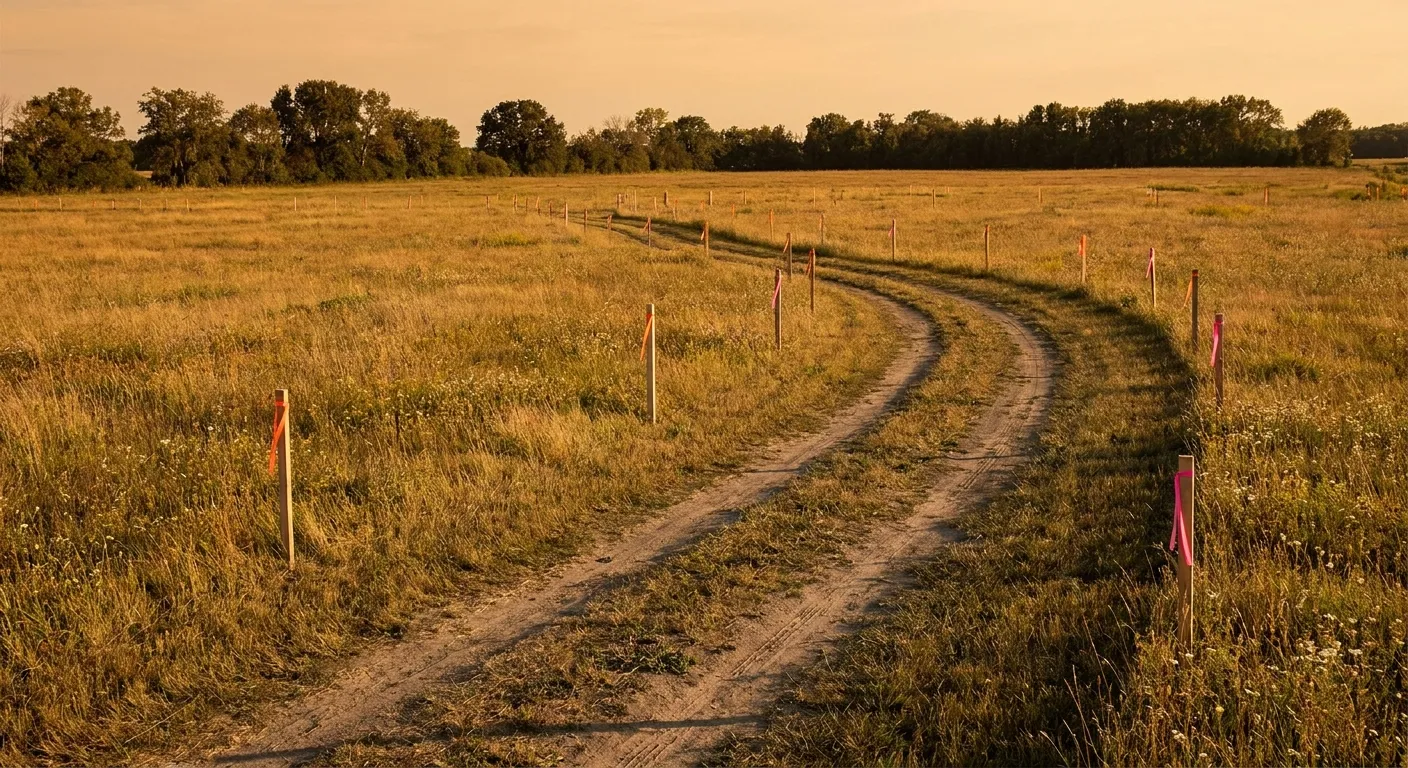
If you’re thinking, “I want to sell my land,” you’ve probably wondered how to make it stand out and attract the right buyer quickly. The truth is, selling land isn’t just about listing it and waiting for offers—it’s about smart preparation. From clearing debris to ensuring accurate boundaries, small adjustments can significantly increase both buyer interest and the selling price.
Whether you own vacant land, inherited property, or rural acreage, preparing your land properly can prevent common pitfalls like overpricing or delayed closings. For example, understanding zoning restrictions, resolving access issues, and having the right documentation can make a world of difference when it comes to sealing the deal. Additionally, presenting your property with clear photos and highlighting its key features can help you market it effectively to serious buyers.
If you’ve been asking yourself how to sell vacant land or wondering if working with a cash land buyer like Sekhem Capital Holdings might be the best choice, you’re not alone. Preparing your property for sale is the first critical step toward getting a fast, successful outcome—without added stress.
Let’s explore what you can do to get your land ready, maximize its value, and decide on the best selling approach for your needs.
Understanding the Importance of Land Preparation for a Quick Sale
When you say to yourself, “I want to sell my land,” the first step should be preparing your property for sale. Proper land preparation can significantly impact buyer interest, boost your property’s perceived value, and result in a smoother transaction. A well-kept piece of land attracts more attention, builds trust with potential buyers, and can often justify a higher asking price.
On the other hand, neglecting to prepare your land can deter buyers from making serious offers. Overgrown brush, unclear boundaries, or poor access can raise red flags for buyers and may result in fewer offers or prolonged negotiations. Key preparation steps like clearing debris, reviewing zoning concerns, and assembling the proper paperwork help eliminate these bottlenecks.
Taking the time to invest in preparing your land not only improves its attractiveness but also signals to buyers that the property is well-cared for. With this in mind, let’s explore the actionable ways to set your land up for a successful sale.
Step 1: Enhance Your Land’s Appearance
The appearance of your land is one of the first things buyers notice. A beautiful and well-maintained property is far more appealing than one that looks neglected. Here are some practical steps to improve the visual appeal of your land.
Clear Debris and Overgrowth: Begin by removing trash, fallen branches, and overgrown vegetation. Clear pathways to make the land accessible for potential buyers to explore. If the property contains a lot of weeds or tall grass, mowing the area can make it look neat and well-maintained.
Highlight Natural Features: Showcase unique elements like mature trees, scenic views, or water features. These features often set properties apart and make them more desirable.
Address Environmental Concerns: Buyers are increasingly conscious of how the land will impact the environment. Remove hazardous waste, tackle invasive plant species, or ensure compliance with environmental standards. This effort shows that the land is ready for responsible future use.
Add Curb Appeal: If the property has road access, consider repairing any visible fencing or entry gates. A clean and organized entrance not only enhances the overall look but also provides a strong first impression.
Making your property visually appealing creates a positive emotional connection for buyers, which can help generate offers more quickly. Once the visual aspects are addressed, it’s equally important to focus on the legal and practical areas of your land sale.
Step 2: Legal and Practical Considerations
Handling legal and practical matters early in the selling process can save you frustration down the line. Many delays in land sales happen because of unresolved zoning issues, unclear property boundaries, or missing paperwork. Here’s what you need to know to avoid these obstacles.
Understand Zoning and Land Use Regulations: Zoning laws dictate how the land can be used, such as for residential, commercial, agricultural, or industrial purposes. Check local zoning regulations to ensure the land’s usage aligns with potential buyers’ interests. Miscommunication about zoning restrictions can lead to lost deals or legal problems.
Confirm Property Boundaries: Have your property boundaries surveyed, especially if they haven’t been verified for years. Clear, accurate boundaries remove buyer doubts and prevent disputes with neighboring landowners.
Check Access and Easements: Ensure the land has legal road access or resolve any easement issues that could hinder entry. Lack of access is a major concern for buyers, particularly for rural or vacant properties.
Prepare Documentation: Gather essential documents, such as the deed, survey maps, tax records, and title information, ahead of time. Buyers and title companies will need this information to proceed with the sale. If issues like unpaid property taxes or unclear ownership exist, work to resolve these.
Factor in Taxes and Closing Costs: Understand the taxes and fees associated with selling your land. Depending on your location, capital gains taxes, property taxes, or transfer fees may apply. Preparing for these expenses ensures there are no surprises during the transaction.
Taking these steps assures potential buyers that your property is ready for sale. It also prevents misunderstandings that could create delays or even derail the sale entirely.
Step 3: Pricing Your Land Competitively
Pricing your land correctly can make a huge difference in how quickly you receive offers. Setting a price too high may scare off buyers, while pricing it too low could mean leaving money on the table. Here are some tips for pricing your property strategically.
Conduct Market Research: Check recent sales of similar properties in your area. Look at factors such as acreage, location, and features to determine market trends.
Consider the Land’s Features: Properties with access to utilities like water, electricity, and sewage often have higher value. Proximity to major roads, schools, or commercial areas also boosts demand.
Don’t Ignore Rural Land Value: Even remote or rural properties can attract buyers who want to build homes, hunt, or invest in farmland. Assess the unique elements of your property that might appeal to these types of buyers.
Get a Professional Opinion: If market research feels overwhelming, consider engaging an appraiser or local real estate specialist. These experts provide objective insights into how to price your land competitively.
A properly priced piece of land not only attracts more buyers but also allows for smoother negotiations. Once pricing is set, you can focus on making your land even more attractive to buyers.
Step 4: Making Your Land Buyer-Friendly
When buyers evaluate properties, they often look for land that feels manageable and full of potential. Making your property easy to understand and envision helps ensure it stands out. Here are ways to make your land buyer-friendly:
Create a Detailed Listing: Whether selling through an agent or directly, provide clear descriptions of the land. Highlight its size, access points, zoning type, and any special features. Including high-quality photos or drone footage can give potential buyers a complete view of the property.
Address Common Buyer Concerns: Be transparent about any challenges like drainage issues, nearby noise sources, or seasonal flooding. Buyers appreciate honesty and are more likely to trust a seller who provides full information upfront.
Define the Land’s Potential: Mention possible uses for the property, especially if zoning allows for multiple opportunities. For example, vacant land near a growing urban area may interest developers, while rural lots could attract farmers or hunting enthusiasts.
By ensuring buyers can easily imagine the land’s possibilities and answering common questions proactively, you’ll position your property as a desirable option. For many sellers, another option is exploring direct sales solutions, which we’ll cover next.
Step 5: Exploring Direct Sales Options
If you’re looking for convenience and speed, selling directly to a company like Sekhem Capital Holdings can be an excellent choice. These types of transactions eliminate many of the hurdles associated with traditional land sales. Here’s why you might consider this route:
Sell Land for Cash: Cash buyers streamline the process and often close much faster than conventional sales. This is especially helpful if you need to sell land fast due to unexpected expenses or tight deadlines.
Avoid Complicated Repairs: When working with a direct buyer, you typically won’t need to make expensive improvements or fix access issues. These companies often purchase properties “as-is.”
No Middlemen: Selling directly eliminates the need for real estate agents or lengthy listing periods. Fewer intermediaries mean less confusion and quicker responses.
By working with a trusted company like Sekhem Capital Holdings, you can contact Sekhem Capital Holdings for a direct sale quote and enjoy a highly personalized selling process.
Step 6: Closing the Deal
Once you’ve prepared, marketed, and negotiated, all that’s left is completing the sale. Here’s an overview of what to expect during the closing phase.
Resolve Title Issues: Ensure any problems with the title are addressed before closing. Commonly, this involves clearing liens or updating outdated ownership records.
Sign the Purchase Agreement: A formal purchase agreement outlines the terms of the sale, including the price, closing date, and any contingencies. This document must be reviewed and signed by both parties.
Handle Final Payments and Fees: During closing, any fees such as transfer taxes, title insurance, or other costs will need to be addressed. Buyers typically cover some fees, but sellers should be prepared to contribute where needed.
By closing with clear and organized documentation, you build trust with buyers and ensure a successful transaction. Whether you’ve opted to sell traditionally or to cash land buyers, preparation is key to closing smoothly and on time.

Conclusion
Selling land successfully requires preparation, strategy, and a clear understanding of what buyers value most. From enhancing the visual appeal of your property to addressing practical matters like zoning, property boundaries, and legal access, each step plays a crucial role in attracting serious buyers and ensuring a smooth sale process. Taking time to prepare your land not only makes it more appealing but also demonstrates care and reliability as a seller.
Pricing your property competitively is equally important. Researching market trends, understanding the value of your land’s features, and seeking expert advice can help strike the right balance between attracting offers and maximizing your profit. For sellers who prefer convenience, options like working with cash land buyers offer a quick and efficient alternative, often bypassing many of the traditional roadblocks associated with real estate transactions.
Ultimately, whether you’re listing with an agent, selling on your own, or exploring direct sales solutions, being proactive and organized ensures your land stands out in the market. By clearing debris, addressing legal issues, and showcasing your land’s potential, you make it easier for buyers to see the value your property offers. Transparency about challenges and a strong focus on presentation can build the trust needed to close deals faster.
If you’re ready to explore a streamlined way to sell land, consider reaching out to Sekhem Capital Holdings for a direct, no-obligation quote. Their process is designed to simplify selling, save time, and offer personalized support.
No matter which path you choose, the key is preparation. By taking action now, you’ll not only increase buyer interest but also position yourself for a successful and stress-free closing.
If you're thinking, "I want to sell my land," preparing your property properly can make a huge difference in getting the best price and finding the right buyer quickly. By focusing on key preparation steps, you'll increase your land's value and appeal, setting the stage for a successful sale. Here are essential tips to help you get your land sale-ready.
Clear debris and enhance your land’s appearance: Removing trash, overgrowth, and junk improves curb appeal and helps buyers visualize potential uses.
Understand zoning and usage restrictions: Check local zoning rules and land use restrictions to know what buyers can legally do with the property.
Determine an accurate and fair price: Research market conditions and comparable sales to price your land competitively while maximizing value.
Resolve access and property boundary issues: Ensure clear, legal access to the land and verify that boundary lines are properly marked and accurate.
Make your land buyer-friendly: Highlight key features—road frontage, utilities, and water access—that appeal to residential or commercial buyers.
Ensure property documents are ready: Gather deeds, surveys, and tax information so the closing process goes smoothly.
Consider selling directly to a cash buyer: Companies like Sekhem Capital Holdings provide fast and hassle-free offers, saving you time and effort.
Market effectively to attract more buyers: Use clear photos, detailed property descriptions, and highlight unique features to generate interest.
Preparing your land before listing can help you avoid delays, attract serious buyers, and achieve the best possible sale results. Now, let’s dive deeper into how each of these steps can influence your success and explore whether selling directly to a cash buyer might be a great option for your needs.
Ready to Sell Your Land Without the Hassle?
If preparing your land for buyers feels overwhelming or time-consuming, there’s a simpler way to move forward. At Sekhem Capital Holdings, we specialize in buying land directly from owners just like you—no extensive prep work, no long waits, and no unnecessary complications.
Sell As-Is: No need to clear debris, resolve access issues, or make improvements. We handle it all.
Fast and Reliable Process: Avoid lengthy listings and enjoy a streamlined transaction.
No Middlemen: Skip real estate agents and keep more of your proceeds.
Trusted Cash Buyers: Get a fair offer for your property with no hidden fees.
Take the first step today. Contact Sekhem Capital Holdings for a no-obligation land offer now!

Frequently Asked Questions
Quick answers about how we help out.
How do I sell my land fast?
To sell your land quickly, focus on preparation and pricing. Ensure your property is clean and visually appealing. Gather all necessary documents like deeds and surveys to avoid delays. Consider working with a company like Sekhem Capital Holdings, which can offer a direct purchase to speed up the process. Contact us for a quote.
Can I sell inherited land without going through a realtor?
Yes, you can sell inherited land without a realtor by working directly with a land buying company like Sekhem Capital Holdings. This approach can save time and effort involved in traditional listings. Make sure you have all pertinent documentation, such as proof of inheritance and the property's title, prepared for the transaction.
Is it better to sell land with a realtor or to a land buying company?
Choosing between a realtor and a land buying company depends on your priorities. Realtors can help market your land to a wider audience, but it may take longer to find a buyer. A land buying company, like Sekhem Capital Holdings, offers faster transactions without the need for extensive marketing. Evaluate your timeline and goals to decide.
What documents do I need to sell land?
You'll need documents such as the deed, survey maps, tax records, and zoning compliance papers. Having these ready helps ensure a smooth closing process. If you lack some documents, Sekhem Capital Holdings can guide you on obtaining them or completing the sale despite missing paperwork.
Are cash land buyers legit?
Many cash land buyers are legitimate. It's important to choose companies with a solid reputation and transparent processes. They should offer clear communication and no hidden fees. Sekhem Capital Holdings provides reliable services and ensures a straightforward and honest experience.