Sell My Land in North Carolina: Fast, Easy, and Profitable Strategies
Sekhem Capital Holdings
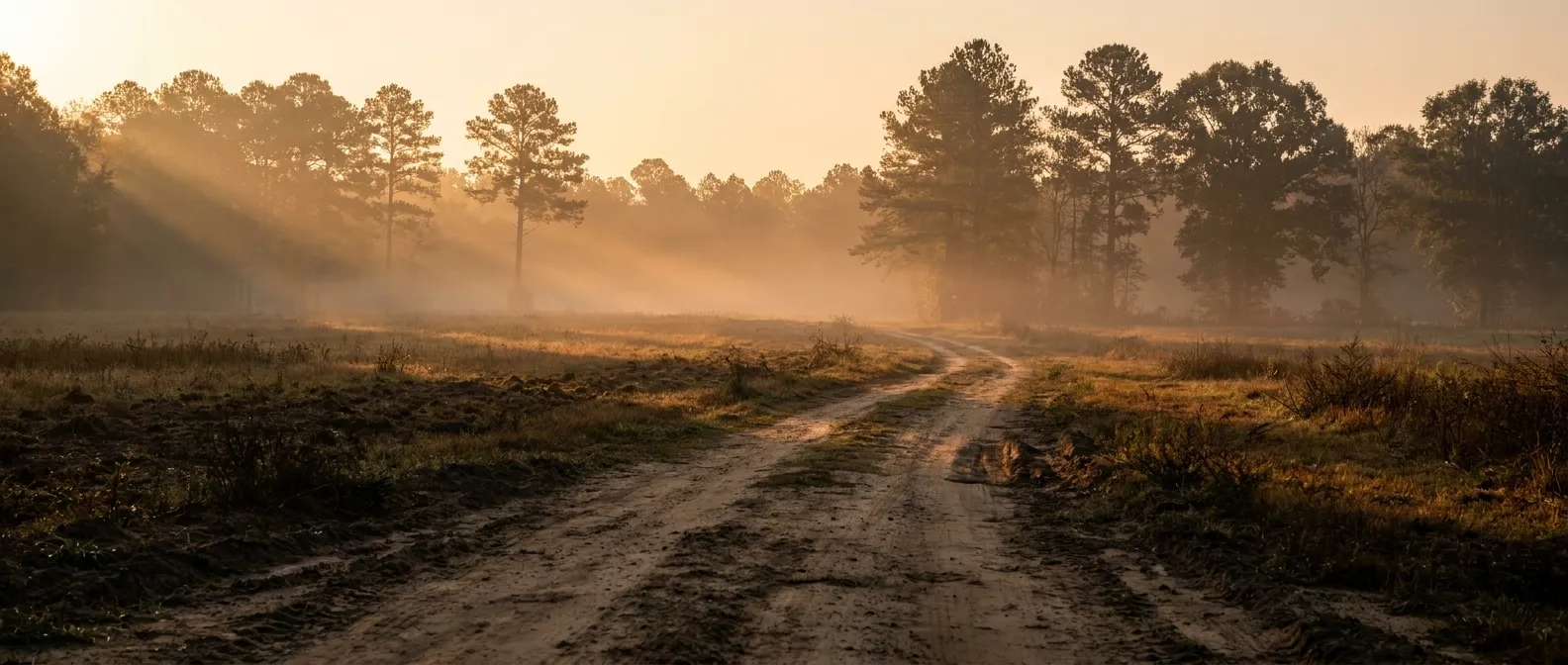
Selling land in North Carolina may seem straightforward, but turning a property into a profitable sale requires careful planning. From understanding regional market dynamics to navigating zoning laws and pricing strategies, the decisions you make now can drastically affect your bottom line.
Many landowners face unique challenges such as unclear property values, difficulties marketing rural or vacant properties, or weighing whether to accept a cash offer versus listing with an agent. If you are wondering, “What’s the best way to sell my land in North Carolina?” you’re not alone—and the answer depends on your goals, timeline, and the specifics of your property.
Whether you’re dealing with inherited land, an underused lot, or a rural property with limited access, having the right strategy is key to closing quickly, fairly, and without unnecessary stress. From preparing essential documents like title deeds and tax records to evaluating whether a cash land buyer is the best fit, understanding the process will help you avoid costly mistakes.
Let’s explore how to sell land in North Carolina efficiently and profitably by breaking down local market trends, zoning considerations, pricing advice, and selling methods that fit your needs. If you’re ready to sell fast or have questions, consider reaching out to Sekhem Capital Holdings for a smooth and transparent selling process.
Understanding the North Carolina Land Market
Regional Market Variations
The value of land in North Carolina can vary greatly depending on its location and surrounding environment. Urban and suburban areas often command higher prices due to their proximity to job opportunities, schools, and other amenities. For example, land close to growing cities like Raleigh, Charlotte, or Asheville is highly sought after by residential or commercial developers. On the other hand, rural properties may be priced lower per acre but are attractive for agricultural, recreational, or investment purposes.
Road access is another factor that majorly impacts land value. Properties with easy access to highways or main roads are usually more desirable compared to landlocked parcels with no clear access routes. Similarly, demand can differ between mountain regions, coastal areas, and agricultural zones, resulting in varied price trends across the state.
Understanding these regional differences is critical when determining the value and market demand for your specific property.
Current Trends in the North Carolina Land Market
North Carolina’s land market has seen increased demand for rural and agricultural properties in recent years. This trend is partly driven by individuals seeking quieter, spacious properties and developers expanding into less populated areas. Land near growing towns or with potential for agricultural use is particularly valuable.
Regions along the I-40 and I-85 corridors are prime examples where development is increasing, leading to higher demand for nearby vacant plots. Additionally, the state’s agricultural history makes farmland or properties suitable for agricultural zoning appealing to investors.
In areas like the Research Triangle or around Asheville, rising population increases the need for residential and commercial development. Knowing whether your property’s location falls within one of these high-demand zones can give you an edge when pricing and marketing.
Why Location and Zoning Matter
Zoning in North Carolina significantly impacts your property’s desirability and market potential. Zoning classifications, such as residential, agricultural, or commercial, determine how the land can be used. For instance, land zoned for residential development in a growing suburb may attract homebuilders, whereas agricultural zoning appeals to farmers or conservation buyers.
If you're unsure about your property's zoning, local city or county offices can provide guidelines. Having this information ready for potential buyers demonstrates transparency and may lead to quicker offers. Additionally, ensuring your property aligns with a buyer’s intended use prevents delays during negotiations.
For further insight into North Carolina's land market and zoning, visit Sekhem Capital Holdings.
Zoning and Legal Considerations
Understanding Zoning Laws in North Carolina
Zoning determines what your land can legally be used for, affecting buyer interest and price. North Carolina’s zoning laws vary by county and municipality, meaning it's essential to research your property’s specific restrictions. For example, some rural areas may allow both agricultural and residential use, while others may limit commercial developments.
You can review local ordinances online or contact your county planning and zoning department for details. When selling, providing clear zoning information reduces buyer confusion, making your property more attractive.
Key Documents Needed to Sell Land
Before you sell, ensure you have the necessary paperwork to streamline the process:
Title deed: Proves ownership and legal rights to the property.
Recent property tax records: Shows the land's current tax status and any overdue payments.
Survey maps: Helps buyers understand the property’s exact boundaries.
Zoning classification details: Confirms how the land can be used.
HOA guidelines (if applicable): Include any homeowner association rules the buyer must follow.
Gathering these documents early can prevent unnecessary delays when closing the sale.
Addressing Title and Ownership Issues
Unclear ownership titles or unresolved liens are common barriers when selling land. If the property was inherited, you may need to clear probate requirements. Similarly, any existing liens (such as unpaid utility bills or taxes) must be settled before transferring ownership.
If you're struggling with title or ownership issues, Contact Sekhem Capital Holdings for assistance resolving legal barriers or navigating probate obstacles.
How to Price Your North Carolina Land
Factors That Influence Land Value
Several factors determine the value of land in North Carolina:
Location: Properties near cities or major highways typically sell for more than remote areas.
Size: Larger plots are often priced lower per acre, but total price increases with more acreage.
Zoning: Residential and commercial zoning may add value compared to agricultural-only designations.
Road access: Properties with paved roads or public access points are more desirable.
Utilities availability: Access to water, electricity, and sewer connections increases potential uses and value.
Development potential: Land in expanding areas with high development demand will likely command higher prices.
Knowing these factors allows you to better position your property in the competitive market.
Competitive Pricing Strategies
To price your land competitively, start by researching comparable sales (comps) in your area. Websites offering public sale records or local real estate agents can provide useful data. Focus on properties with similar acreage, zoning, and features.
Underpricing your land may lead to a faster sale but leave money on the table, while overpricing can deter serious buyers. A balanced price is critical for attracting offers without lengthy delays.
Evaluating Cash Land Offers
Cash offers may seem appealing for their speed, but evaluating their fairness is key. Consider:
Does the offer match local market trends?
How quickly do you need to close the sale?
Have you reviewed multiple offers?
For more guidance, check out detailed pricing strategies for selling vacant land in NC and assess fair cash offers.
Choosing the Best Selling Method
Selling Land FSBO
Selling "For Sale By Owner" (FSBO) can save commission costs, but it requires handling every step yourself. You'll need to:
Market the land (listings, photos, signage).
Negotiate directly with potential buyers.
Manage contracts and closing paperwork.
FSBO is ideal for experienced sellers with time to oversee the process and small properties not requiring complex marketing.
Listing With a Real Estate Agent
Real estate agents bring expertise and connections to help sell land, especially higher-value or development-ready properties. They handle pricing, marketing, and negotiation but typically charge 5-6% of the final sale price in commission fees.
Consider using an agent if your land has high development potential or you're unfamiliar with the selling process.
Working With Cash Land Buyers
Cash buyers are a fast, hassle-free selling option, particularly for inherited, vacant, or hard-to-sell rural land. These buyers offer quick evaluations and can close the sale in days or weeks, with no need for marketing or showings.
If speed and simplicity are your priorities, working with cash land buyers in North Carolina is worth considering. To explore this option, Contact Sekhem Capital Holdings.
Navigating the Closing Process
Essential Steps in Closing a Land Sale
The closing process for land involves several steps:
Provide required documents, including the deed and tax history.
Address liens or title problems identified during buyer due diligence.
Sign the purchase agreement and finalize the transfer paperwork.
Staying organized and prompt is key to avoiding delays in the process.
Taxes and Closing Costs in North Carolina
Sellers in North Carolina are typically responsible for:
Real estate transfer taxes: 0.2% of the sale price.
Title preparation fees: Varies based on the attorney or closing service used.
Unpaid property taxes: Any balance must be paid before transfer.
These costs should be factored into your expected net proceeds before closing.
How to Prepare for a Smooth Closing
Advance preparation helps ensure a smooth closing process. Address potential problems, such as title issues or incomplete documentation, early on. Working with professionals or Sekhem Capital Holdings can minimize complications and accelerate timelines.
Strategies for Marketing Land in North Carolina
Attracting Local Buyers
To appeal to local buyers, especially in rural areas, consider reaching out with:
Yard signs or flyers in nearby towns.
Direct mailers to neighboring property owners.
Community forums or local events.
Local marketing can generate interest from people familiar with the area.
Listing Online vs. Traditional Methods
Online platforms like Zillow or LandWatch allow for wide exposure, while traditional approaches like local newspaper ads can help target nearby buyers. Using both methods simultaneously ensures broader visibility and engagement.
Enhancing the Appeal of Your Property
Taking small steps to improve your land's appearance can boost buyer interest. Clear overgrown brush, add visible markers for boundaries, or create easy road access. A well-maintained property is more likely to sell quickly and for a higher price.

Conclusion
Selling land in North Carolina requires a clear understanding of market dynamics, zoning laws, and effective marketing strategies. The state’s diverse regions, from bustling urban areas to serene rural landscapes, offer unique opportunities and challenges depending on the location, zoning, and access of your property. Recognizing factors such as road access, utilities, and development potential can make a significant difference when pricing or marketing your land.
Zoning laws and legal considerations are especially important. Ensuring clarity around zoning restrictions, addressing title issues, and providing essential documents like deeds and surveys streamline the selling process while building trust with buyers. These steps can prevent delays and make your property more attractive to potential buyers.
Pricing land competitively is also key. Looking at comparable sales and understanding local pricing trends can help you set a realistic value. Whether you sell through a real estate agent, opt for FSBO, or work with cash land buyers, the right method will depend on your goals, timeline, and comfort level with handling the process. Each approach offers distinct benefits for different seller priorities, but simplicity and speed often make cash land buyers in North Carolina a compelling option.
Finally, proper preparation for closing ensures smoother transactions. Addressing potential hurdles, such as unpaid taxes or liens, and accounting for North Carolina’s specific closing costs will help secure a successful sale. Marketing your land strategically, especially online, and highlighting its unique attributes can further boost your chances of a fast, profitable sale.
Selling land doesn’t have to be overwhelming. By understanding the nuances of the North Carolina land market and leveraging expert guidance, you can confidently navigate the process to achieve your goals. For tailored support, Contact Sekhem Capital Holdings, a trusted partner for seamless land transactions.
Selling land in North Carolina can be straightforward, but getting the best deal requires an understanding of local market trends, zoning laws, and pricing strategies. Many sellers rush to accept cash offers without evaluating whether the price reflects their property’s true value. These key takeaways will help you navigate the process with confidence and make informed decisions.
Understand North Carolina’s regional land market: Property value can vary significantly based on location, access, and demand in rural versus urban areas.
Zoning laws directly impact land use: Check local zoning regulations to determine your property’s potential for agricultural, residential, or commercial use.
Evaluate cash offers carefully: Not all cash land buyers in North Carolina provide fair prices—compare offers to ensure they reflect your land’s true market value.
Consider listing without a realtor to save: Selling land in North Carolina through For Sale By Owner (FSBO) can help avoid agent commissions but may require more effort in marketing.
Local buyers may pay more: Marketing land to local North Carolina buyers can often attract offers that align better with the property’s full potential.
Know which documents are needed before selling: Title deeds, tax records, and any HOA or zoning restrictions should be in order for a smooth closing process.
Be aware of closing costs and taxes: Sellers in North Carolina often cover transfer taxes and recording fees—factor these into your net proceeds.
Rural properties face unique challenges: Limited road access, lack of utilities, or conservation restrictions can affect value and buyer interest in remote areas.
Pricing strategy determines speed and profit: Competitive pricing that balances market trends with your financial goals is essential when you sell vacant land in NC.
With these insights, you’ll be better equipped to choose the right selling method for your needs and goals. The sections ahead will dive deeper into local market considerations, zoning complexities, and strategies for maximizing your property’s value in North Carolina. If you're ready to sell quickly and fairly, consider contacting Sekhem Capital Holdings.
Simplify Selling Your North Carolina Land Today
If you're ready to sell your North Carolina land but don't want the hassle of complicated processes, Sekhem Capital Holdings is here to help. We make selling vacant or inherited land easy, offering a streamlined experience tailored to your needs.
Fast Evaluations: Avoid waiting weeks—receive a quick assessment for your property.
No Fees or Commissions: Keep more of your earnings with zero hidden costs.
Sell As-Is: No need to clear land, fix issues, or prepare for showings.
Stress-Free Closing: We handle the paperwork for a smooth transaction.
Don’t wait to start the process—get a land offer today and turn your property into cash!

Frequently Asked Questions
Quick answers about how we help out.
How can I sell my land fast in North Carolina?
To sell your land quickly in North Carolina, focus on pricing it competitively, having all necessary documents like title deeds and tax records ready, and marketing effectively to potential buyers. Sekhem Capital Holdings can simplify this process by offering a fast cash evaluation, allowing for a swift sale without the need to go through lengthy procedures. Visit our website for more details and to request an offer.
Can I sell inherited land in North Carolina without a realtor?
Yes, you can sell inherited land in North Carolina without a realtor. It involves gathering essential documents, ensuring clear title, and possibly dealing with any probate issues. You have the option to sell directly to land buying companies like Sekhem Capital Holdings, which can provide a streamlined process. Contact us for assistance and guidance in selling your inherited property.
What documents do I need to sell land in North Carolina?
When selling land in North Carolina, the essential documents include the title deed, property tax records, a recent survey map, and zoning classification details. Having these ready helps avoid delays in the selling process. If you need assistance gathering these documents, Sekhem Capital Holdings offers support and expertise. Please reach out for more information.
Can I sell land in NC with unpaid property taxes or liens?
Selling land with unpaid property taxes or liens in North Carolina can be challenging, as these need to be resolved before or during the sale. A clear title is vital for a smooth transaction. Sekhem Capital Holdings can assist in understanding and addressing these issues, enabling you to proceed confidently. Contact us for advice on navigating these challenges.
Are cash land buyers in NC legit, and how do I vet them?
Cash land buyers in NC can be legitimate, but it's crucial to vet them carefully. Look for transparency, clear communication, no pressure tactics, and experience with vacant land transactions. Sekhem Capital Holdings prides itself on providing a trustworthy and straightforward process. Reach out to us to learn more about how we operate and our credentials.