Discover Affordable Texas Land: Your Guide to Finding Cheap Land for Sale
Sekhem Capital Holdings
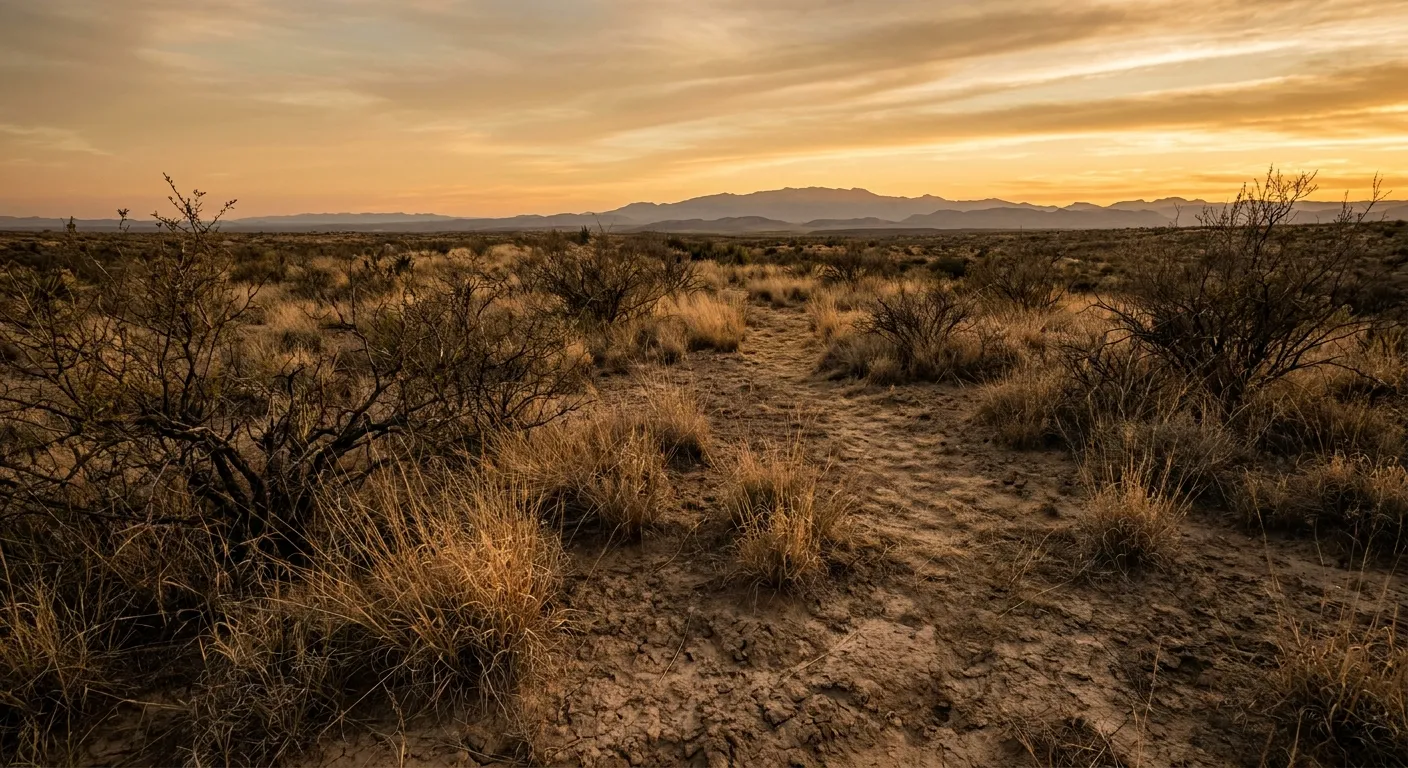
Buying cheap land in Texas might feel like discovering a hidden treasure—there’s a thrill in imagining wide-open spaces and endless possibilities at an affordable price. But not all "cheap" land is created equal, and without the right knowledge, buyers risk investing in a property that may not meet their needs or expectations.
From thriving cities to secluded rural areas, Texas offers a unique mix of opportunities for land buyers. The state’s diverse landscape includes everything from ranch land and recreational plots to remote acreage with untapped potential. However, the factors that influence affordability—such as location, road access, availability of utilities, and zoning restrictions—require closer inspection to avoid hidden pitfalls. For instance, a low-cost property may lack access to water or have zoning limitations that restrict its use, turning what seems like a good deal into a long-term challenge.
This guide explores everything you need to know about finding and evaluating cheap land for sale in Texas. You’ll learn what makes land affordable, how to navigate zoning and utility challenges, where to locate Texas’s most budget-friendly counties, and why due diligence is crucial. Armed with these insights, you’ll be better prepared to make a smart, informed purchase that aligns with your goals—whether you’re seeking a recreational getaway, an agricultural investment, or a future homesite.
Let’s dive into what sets Texas land apart and how you can find affordable options without compromising on value.
What Makes Texas Land “Cheap”?
Texas is known for its vast landscapes and diverse geography. While this contributes to a wide range of property values, certain factors consistently explain why some Texas land is particularly cheap. Understanding these factors can help buyers evaluate whether a land purchase is a good deal or comes with trade-offs.
One of the primary reasons for inexpensive land is location. Many parcels are located in remote or less developed areas of Texas. Counties far from urban hubs like Austin, Dallas, or Houston often have lower demand, driving prices down. However, buyers need to consider how accessible these locations are and whether proximity to major highways or towns is important for their intended use.
Another key factor is the lack of utilities and amenities. Affordable properties often lack access to electricity, water, or proper sewage systems. Extending these utilities to a parcel can be costly, which may cancel out the initial savings from buying cheap land. Additionally, some areas do not have nearby schools, hospitals, or retail centers, making them less practical for residential or commercial use.
Finally, zoning restrictions and land usability contribute to lower prices. Parcels with strict zoning or odd shapes may limit development possibilities. Agricultural zoning, for instance, may prevent buyers from building homes or businesses, while unsuitable soil quality can make farming difficult. Buyers need to weigh these trade-offs against their long-term goals.
Understanding these affordability factors is the first step in evaluating whether the trade-offs meet your needs, whether it’s for investment, homesteading, or recreational use.
Key Considerations for Evaluating Affordable Texas Land
When searching for cheap Texas land for sale, it’s essential to go beyond price and thoroughly evaluate the property. Skipping due diligence can lead to unexpected issues that either increase costs or limit the land’s usability.
Road access is critical. Some parcels are landlocked, meaning they don’t have legal access to a public road. Obtaining an easement to access the property can be time-consuming and costly. Always verify whether a property comes with reliable road access before making an offer.
Next, check for utility availability. Many affordable rural parcels lack access to electricity, water, or internet connections. You’ll need to determine if these utilities can be installed and calculate the potential costs. If you plan to rely on off-grid solutions, ensure the property is suitable for needs like solar power or a well.
Zoning and land use regulations are another major consideration. Zoning restrictions dictate how the property can and cannot be used. For example, land zoned for agricultural use may not allow residential construction. Contact the local county’s zoning office to confirm whether the property aligns with your plans.
Soil quality and other physical characteristics, like slopes or floodplain risk, can impact the land’s usability. Poor soil may limit agricultural use, while parcels in flood-prone areas might require additional investments in site preparation.
Finally, review the property’s title history and taxes. A clean title ensures there are no ownership disputes, liens, or unpaid taxes attached to the property. Hiring a title company or working with professionals like Sekhem Capital Holdings can simplify this process and reduce your risk.
These factors are crucial to evaluate before putting any money down. It ensures that "cheap" land doesn’t come with hidden challenges that raise its overall cost.
Texas Counties with the Cheapest Land Prices
Some Texas counties are well-known for offering some of the most affordable land in the state. These areas often attract investors, recreational buyers, and those seeking off-grid living or rural retreats.
Hudspeth County, located in far West Texas, consistently ranks among the cheapest regions for land in the state. The area is remote and sparsely populated, which keeps land demand and prices low. While it’s an ideal location for those who prefer wide-open spaces, buyers should factor in the lack of infrastructure and amenities.
Brewster County, home to parts of Big Bend National Park, is another good option for affordable land. The dramatic landscapes and nearby recreational opportunities attract outdoor enthusiasts. However, proximity to tourist spots can also raise prices slightly higher than Hudspeth County, depending on the parcel’s location.
Presidio County, neighboring Brewster, offers some of the least expensive parcels of land in Texas. Similar to Hudspeth and Brewster, the land here often lacks utilities and road access, which buyers must carefully assess during their search.
Additionally, rural land across counties in central and northern Texas, including parts of Palo Pinto or Wilbarger Counties, offers affordable options for those seeking less isolation but still value lower prices. These areas typically balance rural seclusion with closer access to small towns and basic amenities.
Understanding the geographic and infrastructural context of these counties is essential. Affordable Texas land often compensates for lower prices with unique challenges, and buyers need to confirm that their chosen location aligns with their goals.
Steps for Finding and Buying Cheap Texas Land
To successfully purchase cheap land for sale in Texas, a methodical approach is essential. Use the following steps to ensure you’re making an informed decision:
Define Your Purpose: Consider why you’re buying the land. Is it for recreational use, farming, building a home, or investment? Clarifying your purpose helps narrow the search to parcels that meet your specific needs.
Research Locations: Focus on counties known for affordable land, like Hudspeth or Brewster, and compare other nearby areas. Pay close attention to property listings that fit your ideal location and budget.
Conduct Due Diligence: Investigate factors such as zoning restrictions, road access, utility availability, and property taxes. Make sure the property is free from title issues or liens. Professional guidance—like those provided when you contact Sekhem Capital Holdings—can make this process smoother.
Calculate Total Costs: Beyond the purchase price, budget for add-ons like closing costs, utility installation, or clearing the land for development. These hidden expenses can add up quickly.
Review Purchase Agreements Carefully: If you’re buying directly from a private seller or through an auction, ensure that the terms of the agreement are fair and clear. Work with professionals to avoid complications during closing.
Finalize the Purchase: Once your due diligence checks out, complete the buying process by meeting the county’s legal requirements and securing the land title in your name.
Following these steps ensures you not only find affordable Texas land but also avoid potential pitfalls along the way.
How to Ensure Long-Term Usability of the Land
Purchasing affordable Texas land is only the beginning. To ensure the land meets your future needs, you must take a proactive approach to planning and development.
First, match the land to your personal goals. For example, if you’re buying for farming, verify the soil quality and climate conditions for your desired crops. For a recreational property, review zoning restrictions to confirm you can build cabins or park RVs.
Invest in essential infrastructure, like access roads or water systems, as necessary. This can greatly improve the land’s long-term value and usability. If building roads or extending utilities isn’t feasible, consider alternative solutions like off-grid systems.
Avoid pitfalls by researching the local real estate market and consulting experienced land professionals. Companies like Sekhem Capital Holdings specialize in buying and selling land and can help ensure you’re making sound choices.
Proper planning ensures a cheap parcel of land doesn’t become an expensive liability in the future.
Comparing Cheap Land Buying Options
When shopping for cheap Texas land, buyers can choose several purchasing routes, each with its advantages and disadvantages.
Private Sales: Buying directly from a landowner may provide flexibility in pricing or financing, but buyers need to be cautious about verifying property information.
Land Auctions: Auctions often feature low-cost opportunities, but the time-sensitive auction process and lack of detailed information can lead to risky purchases.
Land Buying Companies: Companies like Sekhem Capital Holdings specialize in simplifying the land-buying process. They typically ensure clear titles and guide you through due diligence, making transactions safer and faster for buyers.
By comparing these options, buyers can choose the route that offers the best balance of cost, convenience, and security for their particular needs.
Is Buying Cheap Texas Land a Good Investment?
Buying cheap Texas land can be a rewarding investment, but it requires balancing potential risks and rewards. The state’s population growth and economic development continue to drive interest in land investment, particularly in rural and suburban areas.
However, not every parcel will experience appreciation. Remote areas with little development potential may remain stagnant in value or become harder to resell. Costs like property taxes, maintenance, and infrastructure development can also reduce overall profits.
Investors should focus on properties that align with long-term trends, such as parcels near expanding towns or those with desirable natural features. For personalized guidance, consulting a trusted partner like Sekhem Capital Holdings can help you assess the investment potential of specific properties.
Land investment in Texas can yield significant returns, but informed buying decisions are key to unlocking its value.

Conclusion
Buying cheap Texas land offers unique opportunities, but it also requires careful evaluation to ensure the purchase aligns with your goals and avoids hidden costs. Factors like remote locations, lack of utilities, zoning restrictions, and limited infrastructure often explain why land is inexpensive in certain areas. Understanding these trade-offs is essential before moving forward.
Conducting due diligence is key to making an informed decision. Examine road access, utility availability, zoning regulations, and title history to identify potential challenges that could increase costs or limit usability. Additionally, budgeting for expenses beyond the purchase price—such as utility installation or clearing the land—will help you avoid unexpected financial strain.
Certain counties, such as Hudspeth, Brewster, and Presidio, consistently offer some of the cheapest land in Texas, making them appealing for off-grid living or recreational use. However, these areas often lack amenities and infrastructure, so choosing the right location means balancing affordability with practicality.
When purchasing cheap land, consider your goals carefully. Whether you’re investing, homesteading, or looking for recreational property, matching the land’s features to your needs is crucial. For instance, soil quality and zoning will be more important for farming, while road access and utilities may take priority for residential use. Long-term planning—such as adding infrastructure—can enhance both the usability and value of your land.
Navigating the land-buying process can be complex, particularly with private sales or auctions. To simplify the process and ensure a safe transaction, consider working with experienced professionals like Sekhem Capital Holdings. They can guide you through due diligence, help verify titles, and ensure your buying experience is as smooth as possible.
Cheap Texas land can be a rewarding investment or personal endeavor when approached with knowledge and preparation. By carefully evaluating each property’s characteristics and matching them to your objectives, you can unlock the potential of affordable land ownership in the Lone Star State.
Finding cheap land for sale in Texas can be an exciting opportunity, but not all affordable properties are created equal. Buyers need to understand the hidden aspects of low-cost land, from access and utilities to zoning restrictions and long-term usability. These key takeaways will help you evaluate affordable Texas land beyond just its price per acre, ensuring your investment aligns with your goals.
Know what makes Texas land “cheap”: Low-cost land often comes with trade-offs such as remote locations, limited access to utilities, or restrictions on usage.
Check access and utilities upfront: Always confirm if the land has road access, water, electricity, and other basic services, as adding these can be costly.
Understand Texas zoning and restrictions: Zoning laws impact whether you can build, farm, or use the land for recreational purposes.
Research soil quality for agricultural use: Poor soil conditions can limit farming or ranching opportunities, so evaluate suitability before purchasing.
Factor in hidden costs beyond the price per acre: Property taxes, survey fees, title searches, and potential development costs should be included in your budget.
Consider proximity to services and amenities: Remote land can be cheap, but distance from towns, schools, and hospitals can affect long-term practicality.
Do due diligence on land title and boundaries: Verify ownership, resolve potential liens, and confirm accurate property lines before closing a deal.
Look for regions with the most affordable options: Counties like Hudspeth, Brewster, and Presidio often offer some of the cheapest land in Texas.
Think long term about land usability: Even if land is cheap now, ensure it fits your needs—whether for personal use, development, or investment.
Work with a knowledgeable partner: Trusted resources like Sekhem Capital Holdings can guide you in finding, evaluating, and purchasing affordable Texas land with confidence.
Taking a thoughtful approach can help you avoid common pitfalls and secure a property that truly meets your needs. In the following sections, we’ll break down regional insights, due diligence tips, and the steps you can take to explore cheap Texas land for sale with greater clarity and confidence.
Ready to Buy Land in Texas? Let Us Help
If you’re ready to take the next step in finding affordable Texas land that fits your goals, Sekhem Capital Holdings makes the process simple and stress-free. We specialize in helping buyers secure land for investment, recreation, or future development.
Wide selection of properties across Texas, including rural and up-and-coming areas.
Clear titles and a transparent process, so you can purchase with confidence.
Access to our team of knowledgeable professionals to guide you every step of the way.
Save time and avoid setbacks with our streamlined buying process.
Don’t let the best opportunities slip away. Contact Sekhem Capital Holdings today to start your journey toward owning Texas land!

Frequently Asked Questions
Quick answers about how we help out.
How do I sell my land fast?
To sell your land quickly, ensure it is priced competitively based on factors such as location, road access, and available utilities. Improving the land's appeal by clearing and ensuring clear legal title can also speed up the process. Consider contacting a land-buying company like Sekhem Capital Holdings, which can streamline the sale and offer quick cash transactions. Reach out through their site for more details.
What documents do I need to sell land?
When selling land, you will need the deed, proof of ownership, any existing surveys, and possibly a title insurance policy. Having these documents ready can speed up the sale process. For specific guidance, consider consulting with a professional or contact Sekhem Capital Holdings for assistance.
Is it better to sell land with a realtor or to a land-buying company?
Choosing between a realtor and a land-buying company depends on your priorities. Realtors can provide market exposure but may take longer due to listings. A land-buying company offers faster sales and cash offers with less hassle. Evaluate your needs and timeline to decide. Contact Sekhem Capital Holdings for a quick, no-obligation offer.
Can I sell inherited land without going through a realtor?
Yes, you can sell inherited land without a realtor by opting for a cash sale through a land-buying company. This can simplify the process, avoiding lengthy listing times and commissions. It's important to verify the legal status of the inheritance before proceeding. Contact Sekhem Capital Holdings for guidance on selling inherited land.
Are cash land buyers legit?
Many cash land buyers are legitimate, but it's essential to ensure they are reputable. Look for transparency, clear communication, and a stress-free process. A legitimate buyer will provide clear terms and answer your questions. Consider Sekhem Capital Holdings, known for its straightforward and trustworthy approach.