Discover the Best Land for Sale in Wyoming: A Complete Buyer’s Guide
Sekhem Capital Holdings
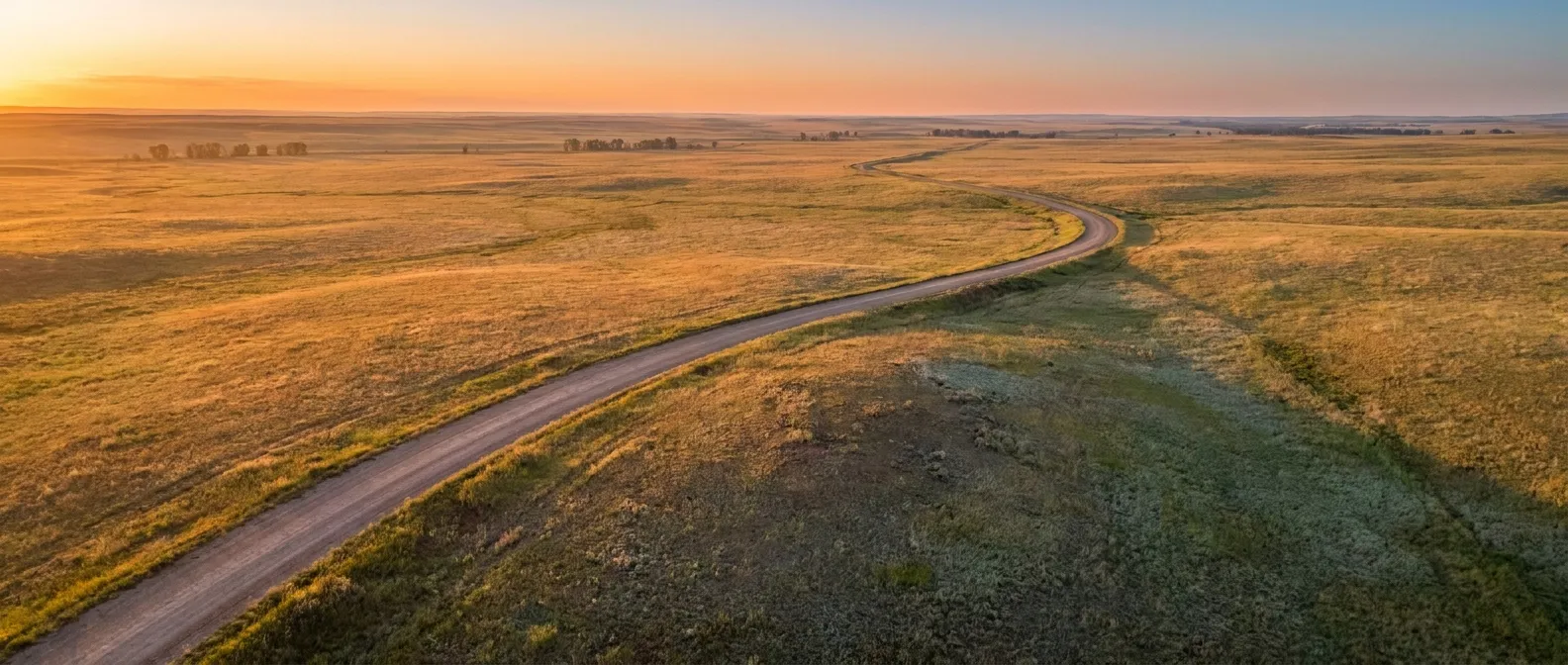
Buying land in Wyoming is an investment in stunning natural beauty and endless opportunities. Whether you're drawn to the idea of owning ranch land, hunting property, or a slice of remote wilderness, Wyoming’s diverse landscapes offer something for everyone. But purchasing land here is far from a one-size-fits-all process. From water rights and mineral ownership to zoning rules and rugged terrain, getting it right means understanding the unique factors that come with Wyoming acreage.
For prospective buyers, the stakes are high. Overlooking key details—like whether the property has legal access, how zoning impacts your plans, or if mineral rights are included—can lead to unexpected challenges after the sale. Wyoming's real estate market also varies heavily across counties, with factors like proximity to Yellowstone and Grand Teton National Parks driving up prices in some areas. For buyers looking for affordable options, counties like Sweetwater and Crook might offer exactly what you need, but you'll still need to navigate water and access considerations.
This guide will walk you through everything you need to know when exploring land for sale in Wyoming. From zoning restrictions and due diligence to pricing trends and tax benefits, you'll gain the insights needed to make a smarter, more confident purchase. If navigating these complexities starts to feel overwhelming, don’t hesitate to contact Sekhem Capital Holdings for trusted guidance.
Understanding the Appeal of Land for Sale in Wyoming
Wyoming offers a unique combination of wide-open spaces, natural beauty, and financial incentives that make it a highly desirable destination for land buyers. Known for its breathtaking landscapes, the state boasts snow-capped mountains, vast plains, and scenic valleys. These diverse features cater to a range of buyers seeking different property types, from secluded ranches to recreational land near renowned natural landmarks.
One of Wyoming's major draws is the absence of a state income tax. Combined with the state’s low property taxes, this makes Wyoming a financial haven for buyers looking to save money in the long run. Landownership here also provides unmatched privacy and access to world-class outdoor recreation. Whether it’s hiking, fishing, hunting, or exploring trails, Wyoming’s natural resources are perfect for those seeking an active lifestyle or peaceful retreat.
The proximity of available land to iconic national parks like Yellowstone and Grand Teton amplifies its appeal. Properties near these parks not only provide stunning views but also make excellent investments for buyers interested in recreational ventures or vacation homes. From expansive ranch land to off-grid hideaways, Wyoming has something for everyone.
By understanding the many alluring aspects of the state, potential buyers can better appreciate why securing land in Wyoming is a rewarding option.
Common Types of Wyoming Land Available for Purchase
The Wyoming land market offers an abundance of choices tailored to various needs and lifestyles. Below are some of the most common types of properties available for purchase:
Ranch Land: Ideal for cattle operations, agricultural investments, or buyers seeking large, open spaces. Wyoming ranch land is prized for its fertile soil, grazing potential, and access to water sources critical for livestock.
Recreational Properties: These include smaller parcels perfect for outdoor enthusiasts. Buyers often seek recreational land for hunting, fishing, or camping near Wyoming’s vast public lands and forests.
Rural Acreage: For those who value privacy and independence, rural acreage provides an off-grid living opportunity. These properties often come with ample space for a custom home or retreat.
Farmland: Wyoming offers extensive farmland that supports crop production or livestock operations, especially in areas with flat terrain and access to irrigation.
Hunting Land: Wildlife-rich areas are another popular option for buyers interested in big game hunting. Properties adjacent to public land often receive added interest due to their connection to larger habitats.
In addition to these property types, Wyoming land frequently benefits from its proximity to public lands managed by agencies like the Bureau of Land Management. This access increases both recreational opportunities and land value, making such properties highly sought after.
Evaluating Wyoming’s Property Market
When evaluating Wyoming land for sale, understanding the pricing variations by county is crucial. Land costs in Wyoming can differ significantly based on location, terrain, and proximity to parks or urban centers.
Wyoming’s most affordable land can often be found in the high plains and prairie regions, with Sweetwater County and Fremont County offering options for budget-conscious buyers. On average, rural properties in these areas might cost $500 to $1,200 per acre. For those interested in picturesque ranch lands or farmland, counties like Crook and Sublette provide slightly higher-priced options with costs closer to $2,000 or more per acre, depending on the property features.
Proximity to Yellowstone and Grand Teton National Parks brings a premium. Listings in areas like Teton County can command significantly higher prices, often exceeding $10,000 per acre for land with stunning views or recreational uses. Factors such as access to water, public land proximity, and existing infrastructure will also influence pricing, so prospective buyers should weigh these elements against their budget and goals.
This broad pricing range ensures opportunities exist for all types of buyers, but careful evaluation of property conditions and external factors will lead to smarter investments.
Key Factors to Consider Before Buying Land in Wyoming
Water Rights
Water rights play a major role in Wyoming properties, as the state abides by a "prior appropriation" system—essentially, older claims to water take precedence. Buyers interested in ranches or farmland must verify whether the land comes with water rights and confirm the quantity and duration of water allocation. This is essential for irrigation, livestock, or residential usage.
Prospective buyers should also research whether the property relies on natural water access, reservoirs, or other systems. Review public records or consult professionals to ensure the land’s water rights meet your intended needs.
Mineral Rights
Unlike water rights, mineral rights often do not transfer automatically with the purchase of Wyoming land. This means that while you may own the surface land, a third party might retain the right to explore or extract minerals beneath it. If mineral rights are an essential part of your plan, clarify ownership before purchasing. Buyers should also evaluate the likelihood of mineral exploration activity disrupting their intended use of the land.
Zoning and Land Use
Understanding local zoning laws is vital when planning how to use your Wyoming property. Zoning classifications may designate land for agricultural, recreational, residential, or commercial purposes. For example, farmland zoned for crops may have restrictions on building structures, while recreational zoning might limit agricultural activities.
Visit county offices or state zoning boards to review applicable codes for your target property. Failing to confirm zoning can result in unexpected restrictions that disrupt your plans.
Terrain, Access, and Boundaries
Wyoming’s rugged landscape adds natural beauty but presents usability challenges for some buyers. Evaluate terrain to confirm the property is suitable for the intended activities—steep slopes or rocky grounds might hinder farming, building, or utility access.
Road access is another critical factor. Buyers should verify whether the land has direct road access or relies on easements through neighboring properties. Additionally, working with a surveyor to mark property lines and clarify boundary disputes is a smart move that ensures confidence in what you’re purchasing.
Attention to these factors helps buyers protect their investment and avoid future complications.
The Buying Process: Steps to Secure Wyoming Land
Purchasing land for sale in Wyoming involves a series of practical steps designed to safeguard your investment. Following this process ensures you make knowledgeable, secure decisions:
Verify Legal Details: Start by confirming water and mineral rights for the property and checking for existing claims or disputes.
Inspect Zoning and Terrain: Cross-reference property zoning with your intended purpose. Conduct additional checks on the land’s topography to guarantee it aligns with your plans. Services from real estate attorneys or local experts can be helpful during this process.
Review Access and Infrastructure: Work with surveyors to confirm road access, property lines, and utility availability for wells, septic tanks, or electricity.
Undergo Due Diligence: Perform a thorough review of public records to check for unpaid property taxes, liens, or title issues. Partnering with a land acquisition company like Sekhem Capital Holdings is invaluable for handling complex cases effectively.
Consider Closing Costs: Closing fees for surveys, title insurance, and filing paperwork can add 2 to 5 percent to the purchase price. Wyoming’s property tax advantages can help mitigate these costs over time.
Finalize the Purchase Agreement: Work with a real estate professional to secure a fair contract. You can contact Sekhem Capital Holdings for tailored support on buying Wyoming property.
Following these steps ensures a smooth purchase experience while minimizing potential risks.
Making an Informed Purchase in Wyoming
Matching your property selection to your investment goals is key to making a successful purchase. Buyers looking for recreational properties near Yellowstone should weigh the benefits of higher-priced land against its potential for rental income and resale value. Conversely, those prioritizing affordability might explore counties like Sweetwater for larger yet budget-friendly acreage.
Evaluating a property’s long-term value—including its location, zoning flexibility, and access to natural resources—can help you decide if it meets your vision. Investing in Wyoming land provides endless opportunities, whether you’re planning for personal use, agriculture, or long-term growth. For professional assistance, don’t hesitate to consult Sekhem Capital Holdings to find land that aligns with your goals.

Conclusion
Buying land in Wyoming is a rewarding opportunity for those drawn to its natural beauty, privacy, and financial benefits. With its vast landscapes, low property taxes, and no state income tax, Wyoming offers advantages that appeal to a wide range of buyers, whether they’re seeking recreational retreats, agricultural investments, or peaceful rural acreage. Proximity to iconic destinations like Yellowstone and Grand Teton National Parks adds to the allure, making it a compelling choice for those looking to enjoy outdoor recreation or generate rental income.
Understanding the variety of land types available—from ranches and farmland to hunting and recreational properties—empowers buyers to tailor their search to their unique needs and lifestyle. Evaluating factors such as water and mineral rights, zoning regulations, terrain, and road access is essential for avoiding challenges and ensuring the property aligns with your goals. Buyers should also consider Wyoming’s county-specific pricing differences to balance affordability with desired features like proximity to public lands or infrastructure.
The land buying process requires careful planning and thorough research. Ensuring due diligence by verifying legal and zoning details, reviewing access and infrastructure, and preparing for closing costs minimizes risks and promotes a smoother transaction. Services from professionals like Sekhem Capital Holdings can simplify complex matters, making it easier to navigate challenges like title issues or property research.
Whether you are looking for a peaceful off-grid escape, lucrative farmland, or land for recreational use, Wyoming’s wide-open spaces and economic advantages make it a smart investment. Take the time to match your selection to your long-term vision and consider consulting Sekhem Capital Holdings for professional guidance. Your journey to owning land in Wyoming starts with making informed decisions that protect and enhance your investment.
Wyoming offers vast opportunities for property buyers, from ranches and farmland to recreational and hunting land. However, purchasing land in Wyoming requires careful consideration of unique factors like water and mineral rights, terrain, and zoning regulations. Below are the key takeaways to help you make an informed decision when exploring land for sale in Wyoming.
Understand water rights and their impact: Water rights in Wyoming are allocated separately from land ownership and must be reviewed carefully to ensure access to water for irrigation or other uses.
Check mineral rights before purchasing: Mineral rights may not convey with your property, which could limit your control if resources like oil or gas are discovered on the land.
Know the zoning and land use restrictions: Wyoming’s rural acreage often comes with restrictions on building, agriculture, or recreational use depending on local zoning laws.
Consider terrain and access challenges: Many properties in Wyoming feature rugged landscapes or remote locations, so verify legal access through easements and ensure the property suits your intended use.
Research cost per acre in specific counties: Prices can vary greatly between counties like Sweetwater, Crook, and Sublette, with factors such as proximity to national parks or public lands affecting value.
Proximity to national parks adds value: Land near Yellowstone or Grand Teton is highly sought after, offering opportunities for recreation, privacy, or vacation rentals.
Take advantage of Wyoming’s tax benefits: With no state income tax and relatively low property taxes, Wyoming offers an appealing financial advantage for landowners.
Do your due diligence on legal access and boundaries: Verify property lines, easements, and road access to ensure the land is useable and meets legal requirements.
Consider professional help for complex purchases: For properties involving water rights, mineral rights, or large acreage, working with a land buying expert or attorney can save time and protect your investment.
Taking the time to understand these factors will help you confidently navigate Wyoming's property market while avoiding potential pitfalls. In the rest of this guide, we’ll explore how to evaluate property types, pricing by county, and tips on finding your ideal slice of Wyoming land.
Ready to Buy Land in Wyoming? Let Us Help!
Exploring land opportunities in Wyoming is exciting, but navigating the process can feel overwhelming without the right support. That’s where we come in. At Sekhem Capital Holdings, we specialize in helping buyers like you find the perfect property to match your goals—whether it's for recreation, agriculture, or investment.
Save Time and Effort: Our team handles the research and guides you through your buying journey.
Access Exclusive Listings: Discover unique properties, including ranches, farmland, and recreational land.
Expert Guidance: Learn about zoning laws, water rights, and more from experienced professionals.
Simplified Closing: We ensure everything runs smoothly, from due diligence to the final purchase.
Don’t wait to secure your piece of Wyoming’s breathtaking landscapes. Contact Sekhem Capital Holdings today and take the first step toward owning your dream property!

Frequently Asked Questions
Quick answers about how we help out.
How do I sell my land fast for cash?
To sell your land quickly for cash, focus on ensuring it is market-ready. Clear any title issues, provide accurate property details, and gather essential documentation like surveys and zoning information. Offering flexibility on pricing and terms can attract serious cash buyers. Contacting a reputable land buying company like Sekhem Capital Holdings can expedite the process with a straightforward offer. For guidance, visit Sekhem Capital Holdings.
Who buys vacant land for cash in the U.S.?
Cash buyers for vacant land often include real estate investors, developers, and specialized land buying companies. When choosing a buyer, prioritize those with a track record of transparency, clear communication, and no-pressure transactions. They should be willing to explain the buying process and demonstrate experience with land deals. Sekhem Capital Holdings offers such services to ensure a seamless transaction.
Are cash land buyers legit or scams?
Legitimate cash land buyers operate with transparency, provide clear terms, and exhibit a professional approach. Verify their reputation through reviews, testimonials, and any industry affiliations. Avoid buyers who pressure you or lack clear contract details. Sekhem Capital Holdings prides itself on clear, honest transactions. Reach out for more information if you have concerns.
What documents do I need to sell land by owner (FSBO)?
When selling land as an owner, you typically need the deed, a recent survey, zoning information, and any recorded easements. It's important to have documentation ready for potential buyers. Consider professional guidance to ensure you're adhering to local regulations. For assistance, contact Sekhem Capital Holdings.
How do zoning restrictions impact my ability to sell or develop land?
Zoning restrictions dictate what activities can occur on the land, such as residential or commercial use. They can limit a buyer's options, affecting the land's appeal and value. Understanding zoning laws in your area can help you market your land effectively. If you need assistance, consult local planning offices or professionals.