How to Legally and Efficiently Split Your Property to Sell Half
Sekhem Capital Holdings
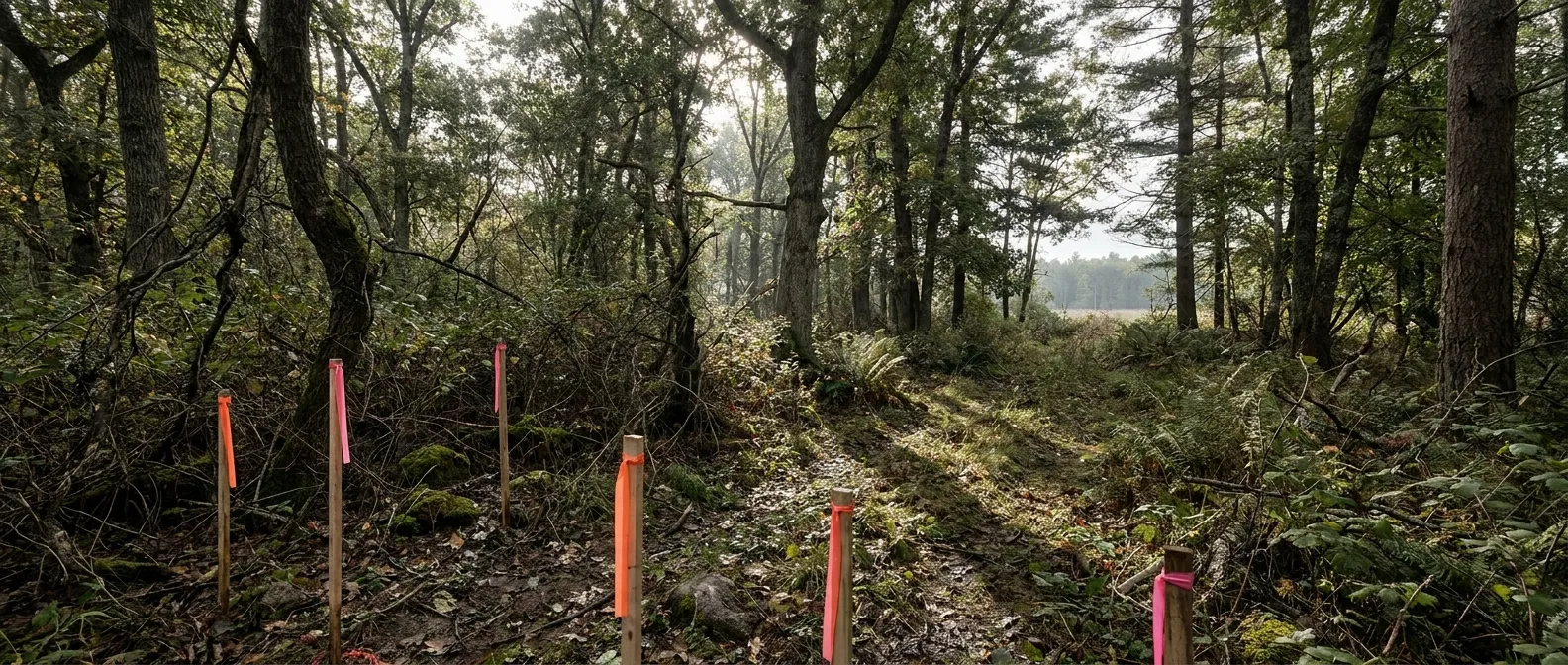
Splitting your property to sell half might sound like a straightforward way to unlock its value, but it is rarely as simple as drawing a new boundary line. The process involves navigating zoning laws, working with professional surveyors, and obtaining approval from your county’s planning department. Add in potential costs like re-platting and adjustments to utilities, and you quickly realize there’s more to it than meets the eye.
For landowners eager to maximize their property’s potential, understanding the full scope of the property subdivision process is critical. Whether you're trying to answer "can I split my property and sell half?" or exploring alternatives to formal subdivision, this guide will help you make an informed decision. From zoning regulations to potential impacts on property value, and even considerations like whether selling the entire parcel to a cash land buyer might save you time and stress, getting it right ensures you avoid costly missteps.
Let’s explore what you need to know before deciding if splitting your property aligns with your goals.
Understanding the Basics of Property Subdivision
Splitting your property and selling half, also known as property subdivision, involves dividing one parcel of land into two or more smaller parcels. These new parcels can then be sold individually. Many landowners ask, "Can I split my property and sell half?" The answer depends on factors like local zoning laws, the cost of subdivision, and the time required for the process.
Subdivision typically requires working with surveyors, applying for zoning approval, and ensuring that new parcels meet legal and functional requirements. Understanding the process upfront can save you time and headaches later.
Legal Requirements for Dividing Property
Every property division must comply with local zoning regulations. Zoning laws determine how land can be used and define minimum lot sizes, which may limit your ability to split your property. Check with your county planning department to confirm whether your land is zoned for subdivision.
If your subdivision proposal violates zoning rules, you may need to pursue zoning variances or exemptions, which can be time-intensive. Additionally, ensure that the new parcels will have proper access to utilities and roads, as these factors are often required during subdivision approvals.
Common Misconceptions About Subdividing Land
Many landowners assume that splitting property is quick and inexpensive. However, subdivision is a legal process that can take months and requires multiple steps. Here are some common myths:
Myth: "Subdivision is simple and quick." In reality, it involves various applications, surveys, and approvals.
Myth: "It won't cost much." Between surveyor fees, application charges, and potential improvements to utilities or road access, expenses can add up.
Myth: "All properties can be split." Zoning laws, easements, and other restrictions can prevent subdivision.
Subdividing land can be worth the investment, but it's crucial to know the challenges upfront.
The Legal Process for Splitting Your Property
Splitting a property involves navigating local laws and regulations. The process may feel complex, but breaking it into manageable steps makes it easier to handle.
Navigating Zoning Approvals and Restrictions
Zoning regulations play a key role in determining whether your property can be split. Begin by researching zoning requirements for your land. Factors like the size of the new lots, land use restrictions, and setbacks from roads or neighboring properties will influence approval.
Challenges you might face include:
Lot size requirements: If your proposed parcels are too small, your application may be denied.
Restricted land use: Some areas only allow specific purposes, like agriculture or residential use.
Zoning violations: Using land contrary to zoning laws could lead to legal issues.
Working With Your County’s Planning Department
Every property subdivision requires approval from the local county planning department. You will need to submit a subdivision application, which often includes:
A detailed property survey.
Proposed re-platting plans.
Maps showing utility and road access.
The county planning department will review your application to ensure compliance with local rules. This process can take several weeks or even months, depending on the complexity of your request and the backlog in your area.
Hiring Professional Experts During the Process
It’s essential to work with professionals like licensed surveyors and possibly real estate attorneys during the subdivision process. Surveyors provide accurate boundary maps and verify lot dimensions. Attorneys can help with legal aspects, such as resolving disputes or preparing deeds for the new parcels.
Hiring experts can reduce errors, speed up the process, and ensure that the new parcels are fully compliant with local regulations.
Financial Costs and Time Considerations
Before deciding to split your property, it’s important to understand both the financial and time commitments involved.
How Much Does It Cost to Subdivide Property?
The costs of subdivision vary widely depending on location and property size. Some common expenses include:
Surveyor fees: $500 to $2,000, depending on property complexity.
Subdivision application fees: $1,000 to $3,000, set by your local government.
Re-platting and legal work: $2,000 to $5,000 or more.
Utility adjustments or easement costs: Costs vary significantly.
For example, a rural property with basic utility access may cost less to subdivide than a more developed urban lot.
Hidden Costs to Consider
In addition to the direct costs, be prepared for hidden expenses. These could include:
Land improvements: You may need to install roads, easements, or access points for utility lines.
Increased property taxes: Dividing your land into smaller parcels could lead to higher tax bills if assessed values increase.
Dispute resolution: Legal fees may arise if neighbors contest your boundary adjustments.
These hidden costs can add up, so it’s wise to budget carefully before making a decision.
Time Investment: Is It Worth the Delay?
Subdividing property is rarely a quick process. Zoning approvals, surveying, and resolving potential conflicts can extend timelines by several months. For landowners seeking a faster solution, selling the entire property to a cash land buyer is a viable alternative. This option eliminates subdivision costs and avoids lengthy delays.
Impact of Subdivision on Property Value
Dividing property can impact its resale potential and overall value in both positive and negative ways.
How Subdivision Affects Overall Value
In some cases, splitting a lot into smaller parcels increases its value, as smaller parcels may appeal to more buyers. However, dividing the property poorly or without considering factors like accessibility and utilities could decrease value.
For example, creating a parcel that lacks road access or utility availability might make it harder to sell, lowering its market appeal.
Factors That Influence Resale Potential
Several factors directly affect your subdivided land’s resale potential:
Location: Urban properties generally attract more buyers than rural ones.
Zoning compliance: Properly zoned parcels sell more easily.
Acreage size and road access: Buyers usually prefer parcels with clear access and usable space.
Each of these factors plays a role in determining whether subdivision will yield a profitable return on investment.
Alternatives to Subdividing Your Property
If subdividing property seems too complex or costly, there are simpler alternatives that allow you to retain flexibility.
Easements and Shared Ownership Agreements
Easements grant others the right to access part of your land without creating separate parcels. For example, you could create a driveway easement that allows partial access to a neighbor or buyer without requiring re-platting.
Shared ownership agreements are another alternative. These arrangements divide land use rights without splitting the title.
Selling to a Cash Land Buyer Without Subdivision
For landowners seeking a quicker option, selling the entire parcel to a cash land buyer can eliminate the need for subdivision altogether. Sekhem Capital Holdings specializes in purchasing land directly, allowing you to avoid the time and costs of surveys, zoning applications, and utility changes.
This option is particularly useful if you want to sell land fast or if the subdivision process feels too overwhelming.
Step-by-Step Guide to Splitting and Selling Land
Here’s a simplified roadmap for landowners considering subdivision:
Step 1: Research Zoning Regulations
Begin by checking with your local planning office or using online zoning tools. Confirm that your land qualifies for subdivision based on zoning rules and local restrictions.
Step 2: Hire a Land Surveyor
A professional surveyor will map out your property boundaries and identify potential issues. This step ensures accuracy when submitting your subdivision application.
Step 3: Submit Subdivision Applications
Prepare thorough applications, including survey maps and utility access plans. Double-check all details, as incomplete submissions may result in delays.
Step 4: Address Utility and Access Issues
Work with service providers to extend utilities or ensure road access for each new parcel. Addressing these issues early can prevent resale barriers.
Step 5: Finalize the Sale
Once subdivision is approved, you can sell the newly created parcels. Transferring titles and paying closing costs will be part of the process. For a streamlined experience, consider reaching out to Sekhem Capital Holdings for assistance in finalizing your sale.
Deciding If Splitting Your Property Is Right for You
Is Subdivision the Smartest Financial Move?
Ask yourself whether the costs and time involved with subdividing will lead to a strong return on investment. If your property is in high demand and subdivision is affordable, it may be a logical choice.
When Does Selling Your Entire Parcel Make More Sense?
Selling your full parcel might be a better decision if subdivision expenses outweigh benefits or if you want to sell quickly. In these cases, contacting a trusted land buyer like Sekhem Capital Holdings offers you a faster and simpler solution.

Conclusion
Splitting your property and selling half can be a rewarding process, but it requires careful evaluation of zoning rules, costs, and time commitments. Subdivision is far from simple; it involves legal compliance, professional surveys, and potential hidden costs like utility improvements or increased taxes. While the promise of creating smaller parcels for more buyers seems appealing, factors like access, size requirements, and zoning restrictions can significantly influence the outcome.
The most critical takeaway is to thoroughly research and plan before proceeding. Understanding zoning regulations, securing necessary approvals, and working with surveyors or attorneys are essential steps to avoid setbacks. Additionally, landowners should be realistic about the time required, as subdivision often spans several months. Alternatives like easements or selling directly to a cash land buyer can offer simpler solutions for those looking to save time or avoid upfront expenses.
Financially, subdivision is a trade-off. While it can increase the overall value by appealing to more buyers, poor planning—such as skipping utility access or creating non-compliant parcels—could backfire with reduced resale potential. It’s important to weigh the costs and returns carefully to determine if subdivision aligns with your goals.
If the process feels overwhelming, consider whether selling your entire parcel instead of subdividing may be a smarter option. Working with a trusted partner like Sekhem Capital Holdings provides a straightforward alternative, saving you from navigating permits, long timelines, and unexpected costs. Whether you aim to split your land or sell quickly, having the right information can help you make the best financial decision for your property.
Ultimately, the choice to subdivide comes down to your priorities. For landowners with time, resources, and high-demand properties, subdivision can be a strategic move. However, if simplicity, speed, or certainty matters more, exploring alternative options like a direct sale might be the better path. Both choices depend on your unique situation, but with research and guidance, you can confidently move forward.
Splitting your property to sell half might seem like a straightforward way to maximize profits, but the process involves legal steps, financial considerations, and practical challenges. These key takeaways will guide you through what to know before deciding if subdivision is the smartest move for your goals.
Understand zoning and subdivision laws upfront: Local zoning regulations and county planning approvals are often required to legally divide your land.
A land survey is essential for accurate boundaries: Professional surveying is needed to redefine property lines and ensure compliance with local rules.
Expect costs beyond just surveying fees: Re-platting, zoning application fees, and utility adjustments can add up during the subdivision process.
Subdivision can impact your overall property value: Dividing land may increase value if lots meet buyer demand but could decrease it if smaller parcels are less desirable.
County approval processes can delay your timeline: Most property splits require detailed applications and county reviews, which can take weeks or months.
Subdivision isn’t always the best financial move: Consider whether selling your entire parcel to a cash land buyer could save more time and effort compared to splitting and selling half.
You may not need to subdivide to sell part of your land: Easement agreements or shared ownership options might allow partial sales without formal subdivision.
Knowing the legal and financial realities can help landowners decide if splitting property aligns with their goals. In the next sections, we’ll unpack every step of the subdivision process, explore alternatives, and share how Sekhem Capital Holdings can offer a stress-free land selling solution.
Ready to Sell Your Land Without the Hassle?
If the subdivision process feels overwhelming or too costly, there's a simpler alternative: sell your entire parcel directly to Sekhem Capital Holdings. We specialize in helping landowners avoid the time and expenses associated with surveys, zoning approvals, and utility modifications.
By selling to us, you can:
Skip the costly subdivision process and receive a fair offer for your entire property.
Avoid delays—no need to wait months for approvals or re-platting.
Sell as-is, with no need for additional improvements or legal work.
Work with trusted professionals who make the process stress-free and straightforward.
Take the first step toward a quick, hassle-free sale today. Click here to get a land offer now!

Frequently Asked Questions
Quick answers about how we help out.
How do I sell my land fast?
Selling land quickly involves choosing a reputable land buying company that can make a cash offer without lengthy negotiations. Focus on companies like Sekhem Capital Holdings that offer clear timelines and handle all paperwork efficiently. Contact us for an offer to expedite the sale.
Who buys vacant land for cash?
Land buying companies are the primary buyers of vacant land for cash. They specialize in transactions that don’t require bank financing. Look for companies with a straightforward process, transparent offers, and positive customer feedback. Contact Sekhem Capital Holdings to explore your options.
Is it better to sell land with a realtor or to a land-buying company?
Selling to a land-buying company often provides a quicker, hassle-free process compared to using a realtor. Realtors might require showings and marketing, while land-buying companies can make an immediate cash offer, avoiding delays. Evaluate your priorities to decide the best option.
Can I sell inherited land without going through a realtor?
Yes, you can sell inherited land directly to a land-buying company like Sekhem Capital Holdings. This method bypasses the need for a realtor and speeds up the process. Ensure the title is clear for a smooth transaction and contact us for an evaluation.
Are cash land buyers legit?
Legitimate cash land buyers are transparent in their dealings, provide clear offers, and have verifiable references. Always research the company’s background and read reviews. Trust companies that answer your questions thoroughly and explain the process. Sekhem Capital Holdings prides itself on transparency and trust.