Legal Considerations for Selling a Portion of Your Land: A Comprehensive Guide
Sekhem Capital Holdings
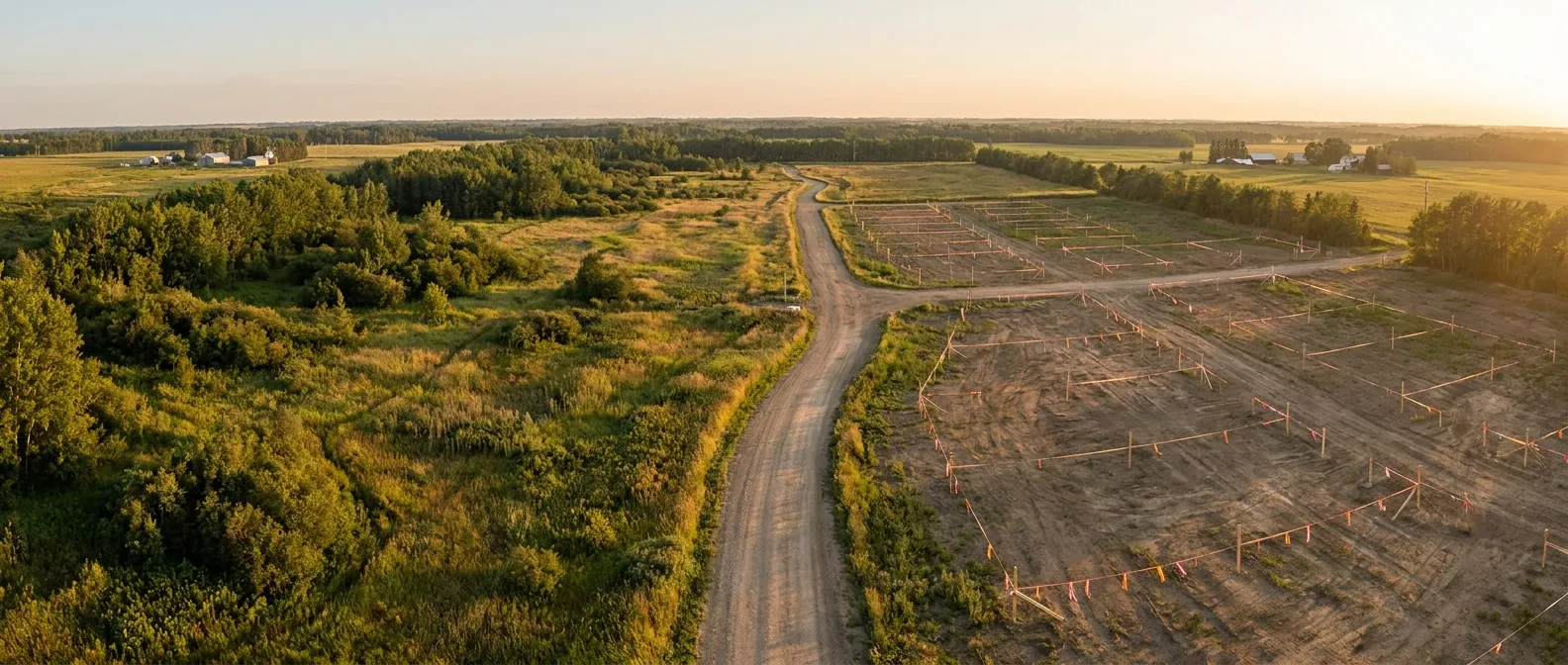
Selling a portion of your land might seem like an easy way to unlock its hidden value, but the reality is often far more complex. From zoning laws to subdivision approvals, there are numerous legal considerations for partial land sales that many landowners overlook. Failing to address these issues upfront can lead to delays, legal disputes, or even losing your ability to sell.
If you’re thinking about selling part of your land, it’s crucial to know what the process entails. Is your property zoned to allow a partial sale? Does your mortgage place restrictions on dividing and selling the land? Or do you need a professional survey to define the new boundaries? These are just a few of the questions landowners face when navigating the legal and practical challenges of selling a subdivided parcel.
This guide is designed to help property owners like you feel confident and prepared. You’ll learn how to verify your authority to sell, understand zoning and subdivision requirements, handle deed preparation, and address key issues like easement rights and potential tax consequences. When done correctly, selling a portion of your property can be a strategic way to maximize its value without parting with the entire parcel.
Let’s explore what you need to know to proceed legally and confidently. From zoning compliance to title transfers, we’ll cover the steps that matter most. If you’d like to learn more about selling land, don’t hesitate to contact Sekhem Capital Holdings.
Understanding Your Legal Authority to Sell
Verifying Ownership and Selling Rights
When considering a partial land sale, confirming your legal right to sell is the first critical step. Start by verifying your ownership through property records or deeds. It is essential to ensure that your name or your entity is listed as the rightful owner. If you co-own the property with others, such as family members or business partners, all parties must agree to the sale. Without unanimous consent, potential legal disputes could delay the process.
Additionally, if your property has an active mortgage, you must check for any restrictions that could limit your authority to divide and sell the land. Some mortgages include clauses preventing land subdivisions without lender approval. In these cases, lenders may require a complete loan payoff or modifications to the current terms. Working with a real estate attorney or title professional can help clarify your rights. These experts will assist in reviewing documents and ensuring compliance with your agreements.
Clearing Title Issues and Documentation
Before proceeding with a partial land sale, you must ensure the title is free of unresolved issues. Common title complications include unpaid property taxes, existing liens, or legal disputes over ownership. These problems can hinder your ability to sell and may cause delays if discovered after initiating the sale. Conducting a thorough title search is crucial for identifying and addressing any concerns.
If issues arise, you might need to work with a real estate attorney to clear the title. Resolving these concerns early can save time and resources during the sale process. For help navigating title-related challenges, contact Sekhem Capital Holdings. Their team can assess your land and guide you in overcoming any obstacles.
Complying with Zoning and Subdivision Regulations
Checking Local Zoning Laws
Zoning laws play a significant role in determining how you can use and sell portions of your property. These regulations are imposed by local governments to control land use and development. Before moving forward, check your property’s zoning classification. For example, your land may be zoned for residential, agricultural, or commercial purposes, and this classification affects how it can be subdivided.
Zoning laws also dictate minimum lot sizes, setbacks, and intended usage for new parcels. If your planned subdivision does not meet these requirements, you may need to apply for a zoning variance. Researching the specifics of your region’s laws or consulting your local planning office can provide clarity on what is allowed.
Understanding Subdivision Legal Requirements
Subdivision of land often requires compliance with local legal processes. These can include boundary surveys, infrastructure assessments, and obtaining planning approvals. A land surveyor will delineate the new plot boundaries, and the planning department will review whether your proposal adheres to regulations.
Some neighborhoods or rural areas may also have covenants or restrictions enforced by homeowners’ associations (HOAs). These private agreements may limit your ability to subdivide or impose additional conditions on development.
Navigating subdivision approvals can be complex, but you don’t have to do it alone. Sekhem Capital Holdings has the expertise to guide landowners through these legal requirements, ensuring a smooth process while meeting all regulations.
The Importance of Land Surveys
Conducting a Professional Land Survey
One of the most important steps in selling part of your land is conducting a professional land survey. A survey provides a clear, official record of the new parcel boundaries and ensures there are no overlaps or ambiguities. This step also protects you and the buyer by preventing future disputes over the property lines.
Surveyors often use methods such as "metes and bounds," which describe boundaries using natural landmarks and precise measurements. The completed survey will provide a map and legal description, both of which are essential to the sales process. Without this documentation, local authorities may reject the subdivision application.
Including Survey Information in Legal Documents
Once the survey is complete, the information must be included in the legal paperwork. Legal descriptions from the survey are required for preparing a new deed and filing records with local offices. Owners should also record the survey with county or municipal offices to maintain proper documentation.
Failure to include survey details may lead to complications during the title transfer. Consulting with professionals or reaching out directly to contact Sekhem Capital Holdings can simplify this process and avoid unnecessary delays.
Dealing with Easements and Access Rights
Addressing Access for the New Parcel
When selling a portion of your land, it is essential to ensure the new parcel has proper access to roads and utilities. Properties without documented access may be difficult to sell or legally unusable. Easements, which are agreements granting access through existing property, are often needed to address this issue.
You may need to establish an easement for shared access to driveways, roads, or infrastructure like electricity and water. These agreements must be clearly documented in the sales contract to prevent confusion for future owners.
Avoiding Future Access Disputes
To prevent disputes down the road, record all easements and access rights with the local government. Clear documentation protects both the seller and buyer, ensuring both parties understand their responsibilities. This step also assures the buyer that their access needs are legally guaranteed.
For sellers unfamiliar with easement creation and filing, partnering with professionals like Sekhem Capital Holdings can ensure access rights are handled properly before the sale.
Financing and Mortgage Restrictions
Reviewing Mortgage/Loan Regulations
Mortgaged properties come with unique challenges during partial land sales. Your lender may impose restrictions, such as requiring their consent to divide and sell the parcel. In some cases, lenders require full repayment of the loan before subdivision approval.
Lenders may also need to reappraise the remaining property and adjust mortgage terms. Reviewing these requirements with a financial professional will help you avoid surprises during the sale process.
Financing Alternatives for Partial Sales
If the mortgage prevents subdivision, several options are available. You may consider refinancing the property to pay down the original loan or paying off a portion specifically tied to the land being sold. Another approach is seeking lender approval for partial sale proceeds to go directly toward outstanding loan balances.
For personalized guidance, sellers should consider consulting experts like Sekhem Capital Holdings. They can provide insight into practical financing solutions tailored to your situation.
Preparing the Deed and Legal Descriptions
Drafting a New Deed
When selling part of your land, preparing a new deed is a critical legal step. This deed must include the boundaries and legal description of the subdivided parcel, often derived from the land survey. The "metes and bounds" method is frequently used to detail the dimensions and location of the parcel accurately.
A poorly drafted deed can cause title issues or disputes, so accuracy is critical. Real estate attorneys are indispensable in drafting deeds that comply with local laws and accurately represent the division.
Working with Legal Experts
Real estate attorneys not only ensure compliance but also handle key filing requirements for new deeds. After drafting the deed, it must be recorded with the appropriate local government office.
Sellers unfamiliar with these legal and technical aspects can benefit from working with experienced professionals. For a seamless process, you can reach out to Sekhem Capital Holdings, a reliable partner for land sales.
Tax Implications of Selling Part of Your Land
Understanding Capital Gains Tax
Selling a parcel of land may trigger capital gains tax, which is applied to the profit made from the sale. The taxable amount depends on factors like how long you’ve owned the land and whether the sale qualifies for exemptions. For example, land used as part of a primary residence may be eligible for certain exclusions.
Understanding these tax obligations is essential to avoid unexpected penalties. While specific advice should come from tax professionals, sellers can proactively estimate obligations based on the sale price and ownership history.
Preparing for Property Tax Adjustments
Subdivision and sale of land may also lead to changes in property taxes. Local assessors will likely reevaluate the value of the subdivided parcels and adjust tax obligations accordingly. You should prepare for these changes to avoid surprises in future tax bills.
Discussing potential tax implications with experts, including Sekhem Capital Holdings, helps sellers make informed decisions during the process.
Closing the Partial Land Sale
Completing the Title Transfer
The final steps of any partial land sale involve transferring the title of the subdivided parcel to the buyer. This process requires accurate records and compliance with title company requirements. Any mistakes or missing documents can delay the finalization.
Working with a title company and escrow agent ensures the transfer is legally valid and properly recorded. These professionals also coordinate with lenders, when necessary, to complete the transaction smoothly.
Handling the Sales Contract and Final Filings
A well-prepared sales contract is crucial to closing the deal. This document must include a detailed description of the new parcel, contingencies, easements, and agreed-upon terms. Once reviewed and signed, the contract becomes legally binding.
For help preparing contracts or managing closing tasks efficiently, sellers can contact Sekhem Capital Holdings. Their team provides valuable resources for ensuring partial land sales are completed successfully.

Conclusion
Selling part of your land can be a complex yet rewarding process, provided you understand the legal, financial, and logistical challenges involved. Confirming your legal authority to sell is the critical first step, ensuring that your ownership, title, and any co-ownership agreements are in order. Addressing legal concerns early, such as outstanding liens or unresolved title issues, will help avoid delays and disputes during the sale.
Local zoning laws and subdivision regulations heavily influence how your land can be divided and sold. Familiarizing yourself with these requirements ensures compliance with minimum lot sizes, boundary definitions, and legal processes for creating new parcels. Professional surveys and accurate deeds are essential to building buyer trust and avoiding future conflicts over boundaries.
Easements for road and utility access are another vital consideration when marketing a subdivided parcel. Properly documented and legally recorded access rights not only enhance the land’s usability but also protect you and the buyer from disputes. Similarly, understanding how mortgage restrictions affect partial sales will save time and prevent unexpected obstacles.
Tax implications should not be overlooked. Selling a portion of your land may trigger capital gains taxes or result in changes to property tax assessments. Staying informed and working with tax professionals can help you navigate these responsibilities more effectively.
Finally, completing a partial land sale requires meticulous attention to details like title transfers, sales contracts, and final filings. Collaborating with experts such as real estate attorneys, surveyors, and title companies ensures that the closing process is seamless and legally compliant. Resources like Sekhem Capital Holdings can provide additional guidance at every step, offering practical solutions to challenges like title issues, tax preparation, and subdivision filing.
The sale of a subdivided parcel comes with unique complexities, but with careful planning and expert assistance, you can manage the process with confidence. If you’re ready to explore your land selling options, contact Sekhem Capital Holdings to learn how their team can simplify the journey and help you reach your goals.
Selling a portion of your land can unlock value, but it's crucial to ensure you're legally prepared before beginning the process. Landowners often overlook key factors like zoning laws, subdivision regulations, and whether their mortgage allows a partial sale. These takeaways highlight the most important legal considerations for partial land sales to help guide you through the process with confidence.
Verify your legal ownership and selling rights: Ensure you have the clear authority to sell part of your land, especially if the property has multiple co-owners or an active mortgage lien.
Understand zoning and subdivision requirements first: Check local zoning laws and subdivision regulations to confirm whether selling part of your land is allowed in your area.
A professional survey is often necessary: Hire a licensed surveyor to determine boundaries and create an accurate description of the parcel for legal and sale purposes.
Evaluate financing and mortgage restrictions: Verify with your lender if your current mortgage allows parcel sales, as many loans have restrictions against selling subdivided portions without full repayment.
Plan for easements and access rights: If the new parcel will need access to roads, utilities, or shared spaces, prepare to address or establish easements during the sale process.
Obtain local planning permissions when required: Some areas require approval from local planning boards or agencies before subdividing or selling a portion of land.
Prepare a new deed and legal descriptions: Work with legal professionals to create accurate documentation, including a new deed and a "metes and bounds" description for the sold parcel.
Anticipate tax implications of partial land sales: Understand how selling part of your property could impact your property taxes or trigger capital gains taxes.
Closing a partial land sale requires thorough documentation: Like any property sale, you’ll need to handle title transfers, sales contracts, and legal filings during the closing process.
Knowing the legal considerations can protect your interests and save time as you navigate selling part of your land. In the sections ahead, we’ll break down each step, from understanding zoning laws to transferring ownership, so you can proceed confidently and legally.
Simplify Your Partial Land Sale Today
Selling part of your land can be a complex process, but it doesn’t have to be overwhelming. Whether you’re handling zoning, easements, or title issues, Sekhem Capital Holdings is here to guide you every step of the way. Our experienced team specializes in making partial land sales smooth and stress-free, so you can focus on your goals while we handle the details.
Avoid legal headaches with expert assistance on title, zoning, and subdivision requirements.
Save time and resources with personalized support tailored to your unique land sale situation.
Navigate financing challenges and mortgage restrictions with practical solutions.
Close with confidence knowing your paperwork and compliance are handled professionally.
Don’t let uncertainty slow you down—contact Sekhem Capital Holdings today to get started on your partial land sale!

Frequently Asked Questions
Quick answers about how we help out.
What documents do I need to sell part of my property or subdivided land?
To sell part of your property, you will need a few essential documents. These include a clear title demonstrating ownership, a land survey defining parcel boundaries, and a new deed with legal descriptions like metes and bounds. If your property is zoned for subdivision, you'll need zoning approval documentation as well. It's advisable to consult with a real estate attorney to ensure all documents meet legal requirements. For assistance, contact Sekhem Capital Holdings to guide you through the process.
Can I sell a portion of my land if I have a mortgage or reverse mortgage?
Selling a portion of your land with a mortgage or reverse mortgage can be challenging, as lenders often have restrictions on subdividing property. You may need to obtain lender approval, which could involve paying off or restructuring the mortgage. It's essential to review the mortgage terms and consult with your lender early in the process. For specific guidance, consider reaching out to Sekhem Capital Holdings for expert advice.
How do I handle title issues, liens, or easements when selling land fast?
Handling title issues, liens, or easements efficiently requires a thorough title search to identify unresolved problems. Clearing these issues might involve negotiating with lien holders or easement agreement updates. Engaging a real estate attorney can expedite the process. For assistance in navigating these complexities, Sekhem Capital Holdings offers expert support to ensure a smooth transaction.
What are the typical closing costs for selling land without a realtor?
Closing costs when selling land without a realtor can include title insurance, deed preparation, and recording fees. Costs may vary based on location and specific transaction needs. It's wise to budget for these costs in advance, and working with experienced professionals can help manage expenses efficiently. For tailored advice, Sekhem Capital Holdings can provide more insights.
How do zoning, road access, and utilities affect the sale and value of vacant land?
Zoning, road access, and utilities significantly impact the value and sale of vacant land. Proper zoning determines permissible land use, while road access improves marketability. Utilities affect usability, making properties with available water, electricity, and sewage more attractive. Assessing these factors can help set realistic pricing and attract potential buyers. For detailed evaluation, you may contact Sekhem Capital Holdings.