How to Sell a Large Tract of Land by Owner: A Step-by-Step Guide
Sekhem Capital Holdings
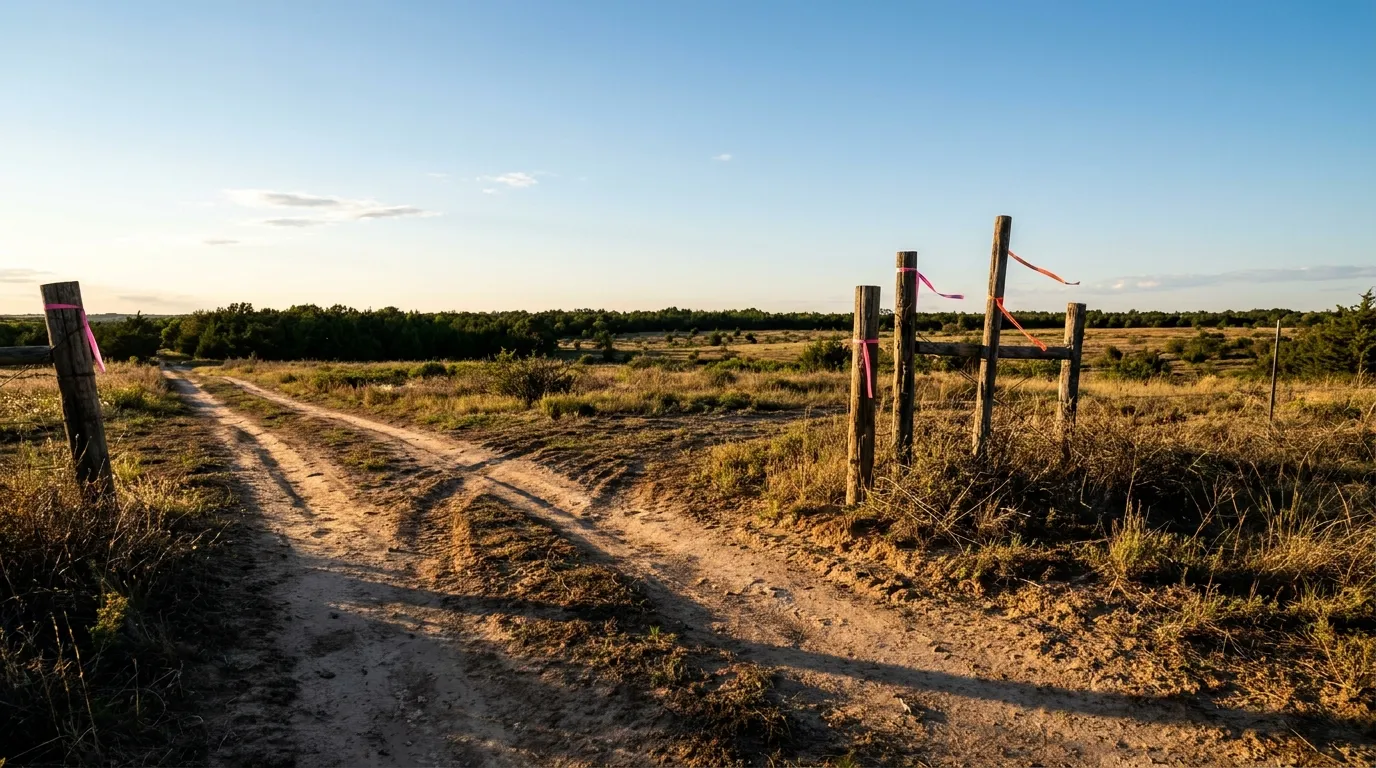
Selling a large tract of land by owner is not just a bigger version of selling a small lot. More acreage can mean more value, but it also brings a smaller buyer pool, deeper inspections, more questions about access and zoning, and higher expectations from serious buyers.
If you own inherited farmland, vacant rural acreage, timberland, hunting land, or property you no longer plan to use, you may be wondering how to sell large tract of land without giving up control of the process. A for-sale-by-owner approach can help you avoid some listing costs and stay directly involved in negotiations. However, it also means you need a clear plan for pricing, preparing, marketing, and closing the sale.
Large-acreage buyers usually look beyond the number of acres. They want to know whether the property has legal road access, usable terrain, utility availability, clear boundaries, and a title they can trust. They may also evaluate the land’s potential for farming, recreation, timber, development, leasing, or subdivision. A property with strong income potential or flexible zoning can attract attention, while unresolved easements, survey gaps, tax issues, or use restrictions can slow the deal down.
Pricing is often one of the hardest parts of selling large tracts of land by owner. Nearby home sales may not tell you much about the value of rural acreage. You need to compare recent land sales, consider local demand, review zoning and land use rules, and understand whether buyers in your area want one large parcel or smaller tracts. In some cases, subdividing can create more opportunities. In others, selling the land as one piece may be faster and more practical.
Your marketing approach matters just as much. A basic listing with acreage and a few photos may not answer the questions qualified buyers have. Strong photos, maps, survey details, access information, permitted uses, and clear descriptions help buyers see what makes the property worth considering. Reaching the right audience also takes effort, especially when you are trying to sell large acreage by owner.
You will also need to prepare for buyer due diligence and negotiations. The best offer is not always the one with the highest price. Earnest money, financing terms, inspection periods, contingencies, closing costs, and the buyer’s ability to close can all affect the real value of an offer. Seller financing may expand your buyer pool, but it should be structured carefully.
This guide walks you through each step, from land valuation and document preparation to marketing, negotiation, and closing. It will also help you decide when an owner sale makes sense and when speaking with experienced cash land buyers or choosing to contact Sekhem Capital Holdings may be a practical option. Let’s look at what matters most before you list your land.
1. Understand What Makes a Large Tract Different
Why large acreage is harder to sell than a small lot
Learning how to sell large tract of land starts with recognizing that large acreage is a different type of sale. A five-acre residential lot may appeal to many local buyers. A 100-acre farm, timber tract, or hunting property has a smaller and more specialized buyer pool.
Large tract buyers often have specific plans. They may want to run cattle, harvest timber, hunt, build a rural home, hold land as an investment, or divide it later. Because their goals vary, they look closely at whether the property truly supports the use they have in mind.
Acreage alone does not determine value. Buyers often care more about legal road access, terrain, zoning and land use, water, utilities, restrictions, and usable acreage. A 200-acre tract with dependable access and level pasture may draw more interest than a larger property with steep slopes, unclear boundaries, or no legal entry.
What serious buyers want to know first
When selling large parcels of land without a realtor, expect serious buyers to ask detailed questions early. Be ready to explain:
Whether the property has deeded road access or an easement
Where the legal boundaries are and whether they are surveyed
Available power, water, septic options, and internet service
Zoning, restrictions, flood areas, and permitted uses
Existing leases, timber rights, mineral rights, or hunting arrangements
Property taxes, road maintenance duties, and known easements
Clear answers build trust. A buyer may spend weeks reviewing a large tract, so missing information can make them move on to another property.
When FSBO makes sense and when it may not
Selling large tracts of land by owner can make sense if you know the property well, have time to answer questions, and are comfortable coordinating showings, documents, and negotiations. It gives you control over pricing and how the property is presented.
However, a FSBO land sale large parcel can require real effort. If you need a quick sale, have complicated ownership, or do not want to manage buyer due diligence, compare other options too. A direct sale through Sekhem Capital Holdings may be worth considering if a simpler path is more important than handling every part of the sale yourself. With that decision in mind, the next step is setting a price based on real land data.
2. Price the Land Using Real Market Data
Start with comparable land sales, not house sales
The best way to price large acreage for sale by owner is to study comparable land sales. Look for recently sold properties with a similar location, acreage range, access, terrain, and possible use. A nearby home sale is usually not a good comparison for vacant acreage because the house itself may account for much of that sale price.
Try to compare similar property types. Farmland should be compared with agricultural land sale data when possible. Hunting land may be compared with other recreational tracts. Timberland may need separate consideration for merchantable timber, road access, and harvest history.
Price per acre can be helpful, but it is not a complete answer. Larger parcels often sell for a lower per-acre amount than smaller parcels because fewer buyers can afford them. Still, a well-located large tract with strong use potential may justify a higher figure.
Adjust for access, zoning, utilities, and land use
Land valuation depends on features buyers can use, not just what appears on an aerial map. Reliable public-road frontage or recorded access often improves value. Landlocked property, shared private roads, or uncertain easements can reduce buyer interest.
Zoning and land use rules matter too. Buyers may ask whether they can build, place a manufactured home, farm, divide the land, hunt, or operate a business. Utilities, flood risk, soil conditions, creek crossings, and steep terrain can also affect what the land is worth.
Account for income potential and highest use
A large tract may have income potential that supports stronger pricing. For example, a farm lease, hunting lease, timber inventory, pasture rental, or cell tower agreement can make the property more attractive. Development potential may also matter, but only if zoning, access, and local rules make it realistic.
Describe income honestly. If a hunting lease is seasonal or a timber estimate is old, say so. Buyers appreciate useful information, but they will still verify it during due diligence.
Set a price that attracts qualified buyers
Overpricing can make a listing sit too long. When a large rural property becomes stale, buyers may assume there is a hidden problem. Underpricing can bring quick inquiries but may leave money on the table.
Set a price that reflects the market while leaving reasonable room for negotiation. Think about your desired timing, the strength of buyer interest, and the minimum terms you would accept. Once pricing is clear, you can decide whether selling the full tract is better than dividing it.
3. Decide Whether to Sell the Whole Parcel or Subdivide First
Selling one large parcel
Selling one large parcel is often the simplest route. A farmer may want the entire field system. A hunting buyer may value privacy and room to manage wildlife. An investor may want a full timber tract or long-term rural holding.
One sale usually means one survey review, one buyer negotiation, and one land closing process. It can be a practical choice when the property already has a clear best use and strong access.
Subdividing into smaller tracts
Land subdivision can open the property to more buyers. A 160-acre tract may appeal to a limited group, while four 40-acre tracts may fit several families, hunters, or small farm buyers. Smaller price points can increase inquiry volume.
Still, subdivision is not automatic. It may require new surveys, local approval, road improvements, utility planning, drainage work, and added holding costs. Dividing land can also reduce the value of the remaining tract if it removes road frontage, water access, or productive fields.
How to choose the better path
Ask whether local demand supports smaller parcels and whether the added value is likely to justify the added time and expense. Check zoning, minimum lot size, frontage requirements, private-road standards, and access rules before assuming subdivision is possible.
For inherited land, the decision may also depend on whether multiple owners want a quick, simple sale or are willing to wait through a longer development process. After choosing the sales structure, prepare the property so buyers can evaluate it with confidence.
4. Prepare the Property So Buyers Can Trust What They See
Gather maps, surveys, tax records, and ownership documents
Buyers of acreage for sale by owner expect more detail than buyers of a home. Gather your deed, recent tax records, legal description, prior survey, aerial map, and any records related to access or easements.
A current land survey can be especially helpful when corners are unclear or fence lines do not match the legal boundary. A title search land review can also reveal issues before a buyer discovers them late in the process.
Fix boundary, title, and easement issues early
Large tract sales can stall because of title defects, old liens, unpaid property taxes, unclear easements, missing signatures, or boundary disputes. Inherited land may involve probate or ownership questions that need to be addressed before closing.
Do not assume a fence is the boundary or that a neighbor’s driveway has legal permission to cross the property. If you know of an issue, gather the facts and be open with potential buyers. Early clarity is usually easier than last-minute repair.
Make the land easier to evaluate
Simple preparation can make a major difference. Clear a safe entrance if needed, mark known corners, keep gates accessible for scheduled showings, and provide a map that shows roads, creeks, fields, trails, and improvements.
Drone photos and aerial maps are useful for large acreage, but they should not replace accurate survey information. If a road is seasonal or a creek crossing becomes difficult after rain, explain that clearly.
Present the land’s best features honestly
Highlight features that support real uses: productive pasture, mature timber, water, road frontage, wildlife habitat, mountain views, or established trails. Avoid claiming that land can be subdivided, developed, or built on unless you have solid support for that statement.
Trust is a major part of every FSBO land sale large parcel. Once your property materials are ready, you can use them to create a marketing plan that attracts suitable buyers.
5. Build a Marketing Plan That Reaches Real Land Buyers
Use land listings that answer buyer questions
A strong land listing should answer the questions a serious buyer will ask before calling. Include acreage, county, nearest town, road access, zoning, utilities, taxes, terrain, known restrictions, survey status, and intended uses.
Explain whether the property is farmland, timberland, hunting land, vacant rural property, or a mix of uses. If there is an agricultural lease or timber value, include basic details and note that buyers should complete their own review.
Use channels where acreage buyers actually look
How to market large parcels of land to buyers depends on the property type. Use land-focused listing sites, visible road signage, local contacts, and word of mouth. Nearby landowners may be interested in expanding a farm, improving access, adding hunting ground, or protecting adjoining property.
You can also share the listing with people who understand the likely use. Farmers may care about soils and field access. Hunters may care about habitat and nearby pressure. Investors may focus on frontage, growth patterns, and holding costs.
Make the property easy to understand
Use clear photos from the ground and air. Show entrances, roads, fields, timber stands, water features, views, and important improvements. Add maps with approximate boundary lines, but label them clearly if they are not based on a current survey.
Include driving directions or a meeting location rather than expecting buyers to find a remote tract on their own. Clear visuals and practical details make it easier to sell large acreage by owner.
Reach buyers who value rural land
Target your message to the land’s strongest use instead of trying to appeal to everyone. A well-written rural land sale listing helps qualified buyers see how the property fits their plans.
If you would rather compare a traditional listing effort with a direct offer, Sekhem Capital Holdings can be a useful resource for exploring another selling path. As inquiries come in, having the right paperwork ready will help separate serious buyers from casual interest.
6. Understand the Documents Needed for a FSBO Land Sale
Core paperwork to prepare before listing
If you are asking, “What documents do I need to sell land by owner?” start with the deed, legal description, tax records, survey, title information, and any recorded easements or restrictions. You will also need a clear land purchase agreement once a buyer makes an offer.
Other useful records may include lease agreements, timber documents, road maintenance agreements, well records, septic records, or prior environmental reports. Having these items organized makes the property feel more reliable.
Legal details that can slow closing
The land closing process may slow down when title work finds probate issues, liens, unpaid taxes, old mortgages, incorrect names on a deed, or multiple owners who must sign. A buyer may also need more time if a survey reveals overlap with a neighbor or a question about access.
These are not always deal breakers, but they are easier to handle before a closing deadline is close.
When to get help with legal and title questions
General preparation is useful, but unclear title, probate, boundary disputes, and complex ownership should be reviewed with appropriate local professionals. This is especially important if inherited land has several heirs or if you are not certain who has authority to sell.
A careful document review leads naturally into the terms that make an offer workable for both sides.
7. Price, Terms, and Seller Financing: How to Make the Deal Work
Negotiate more than just the price
When you receive an offer, look beyond the purchase price. Earnest money, due diligence periods, financing contingencies, closing timeline, possession date, and closing costs all affect the strength of the deal.
A lower all-cash offer with few contingencies may be more dependable than a higher offer that depends on a long financing approval or uncertain subdivision plans. Your land purchase agreement should clearly state the agreed terms.
How seller financing can widen the buyer pool
Seller financing land means the seller accepts payments over time instead of receiving the full price at closing. This may attract buyers who can make a meaningful down payment but cannot obtain traditional financing for a large rural tract.
It can broaden the buyer pool for farmland, hunting land, and vacant acreage. It may also create ongoing income for the seller. However, it means the seller takes on risk if the buyer does not pay as agreed.
Know when financing terms make sense
Owner financing or a note sale may make sense if you do not need all proceeds immediately and are comfortable with the added responsibility. Terms should be carefully documented, and sellers should understand the security and collection risks before moving forward.
If a cash sale and a simpler closing matter most, seller financing may not fit your goals. Either way, be prepared for detailed buyer review before the deal becomes final.
8. Prepare for Buyer Due Diligence on Large Acreage
Expect deeper inspections on large tracts
Large acreage buyers often take longer to decide because there is more to evaluate. They may walk the boundaries, inspect roads, study topography, confirm utilities, review zoning, and check flood maps. A timber buyer may inspect stands and harvest access, while a farm buyer may study soils and drainage.
Give buyers reasonable access for inspections while protecting the property. Schedule visits, explain gate procedures, and avoid allowing unsupervised access when safety or liability is a concern.
Common questions buyers may ask
Be ready to discuss water sources, septic possibilities, power availability, mineral rights, hunting rights, timber rights, flood areas, neighboring uses, and road maintenance. They may also ask whether a mobile home, cabin, farm building, or future division is allowed.
If you do not know an answer, say so rather than guessing. Offer the documents you have and let buyers verify information with the proper local sources.
Reduce surprises before they become deal breakers
Disclose known access limitations, wet areas, lease obligations, encroachments, or restrictions early. A buyer may still move forward if the issue is manageable, but trust can disappear if they find it only after making an offer.
Good communication helps buyers stay engaged, which prepares both parties for a more focused negotiation and closing process.
9. Negotiate and Close the Sale Without a Realtor
Review offers with the full deal in mind
Compare offers based on price, buyer funding, contingencies, earnest money, and proposed closing date. The highest offer is not always the best offer if it relies on uncertain financing or gives the buyer a long period to cancel.
Ask buyers for enough information to understand how they plan to pay and whether their intended use depends on approvals they have not yet received.
Handle counteroffers with confidence
You do not need to accept a low offer just because it is the first one. You can counter with a different price, a shorter due diligence period, higher earnest money, or a revised closing timeline.
Keep communication calm and direct. Explain what terms matter to you without arguing over every point. Written counteroffers reduce confusion and create a clear record of the agreed deal.
Move through the land closing process
After signing, title work begins, documents are reviewed, closing costs are confirmed, and required signatures are collected. Make sure the final paperwork matches the land purchase agreement, including who pays which costs and what rights or leases transfer with the land.
Know when a direct buyer may be the easier path
A private sale can work well, but it requires time and attention. Owners who want fewer showings, less negotiation, or a more direct process may want to compare offers from cash land buyers or contact Sekhem Capital Holdings to discuss available options. Whatever path you choose, avoiding a few common mistakes can protect your sale.
10. Common Mistakes to Avoid When Selling Large Land By Owner
Underpricing or overpricing the parcel
Underpricing may cause you to accept less than the land’s market value. Overpricing can create a stale listing and reduce buyer confidence. Use comparable land sales and adjust for the property’s actual condition and use potential.
Skipping title, survey, or zoning checks
Do not wait until a buyer is ready to close to discover a title issue, boundary overlap, unpaid taxes, or zoning limit. These problems can lead to delays, price reductions, or a failed contract.
Marketing without enough detail
Poor photos, vague descriptions, and missing maps make buyers work harder to understand the land. Serious buyers for large acreage often move on quickly when basic facts are unavailable.
Ignoring the buyer pool for rural property
A buyer for inherited farmland may not be the same person looking for a recreational tract or timber investment. Match your listing, price, and outreach to the people most likely to value the property. With those risks in mind, you can choose the sales path that best fits your priorities.
11. Choose the Best Path for Your Land and Your Goals
Compare speed, effort, and net proceeds
There is no single best answer for how to sell a large tract of land without a real estate agent. A private sale may offer control and the chance to reach specialized buyers. Subdivision may create more buyer interest but add cost and delay. Seller financing may widen the market but adds ongoing risk. A direct buyer may offer more convenience but should still be compared carefully.
Consider the full picture, including likely sale price, holding costs, time spent, closing certainty, and your own comfort with the process.
Match the sale method to the property type
Farmland may benefit from outreach to nearby operators. Hunting land may need strong maps, wildlife details, and access information. Timberland may require better records on timber quality and harvest access. Development acreage may need careful zoning and utility research.
The right strategy depends on the land’s condition, location, legal status, and current demand, not simply its number of acres.
Decide what gives you the most peace of mind
Before listing, decide what matters most: maximum control, a faster closing, fewer complications, or the strongest possible net proceeds. Review your title, survey, access, taxes, and property records before making that choice.
For owners comparing ways to sell large acreage, Sekhem Capital Holdings can be a helpful resource for considering a direct sale alongside a traditional by-owner approach.

Conclusion
Selling a large tract of land without a realtor can work well, but it takes a clear plan and realistic expectations. Large acreage is not the same as selling a house or even a small lot. Buyers look closely at road access, zoning, utilities, terrain, survey details, restrictions, taxes, and the property’s best possible use. When those basics are easy to understand, the sale process becomes much smoother.
One of the biggest lessons from this process is that price alone is not enough. A strong asking price should be based on real land data, not on hope or guesswork. Comparable land sales, access, frontage, usability, and income potential all affect value. The right price helps attract serious buyers, while a price that is too high can leave the tract sitting too long and create doubt. A price that is too low may move fast, but it can cost the seller money in the end.
It also helps to think carefully about whether to sell the full parcel or divide it first. Keeping the land whole may be simpler and faster, especially when the property already has a clear use. Subdividing can open the door to more buyers, but it can also bring added costs, more paperwork, and more delays. The better choice depends on local demand, zoning rules, frontage, and your own goals.
Preparation matters just as much as pricing. Good records, clear maps, a current survey when needed, and honest details about access or title issues can build trust early. Buyers of large tracts usually want time to do their own due diligence, so any missing information can slow things down or cause the deal to fall apart. Being upfront about known problems is usually better than waiting for buyers to discover them later.
The same is true when it comes to offers and closing terms. The best offer is not always the highest one. Earnest money, contingencies, closing timeline, and the buyer’s ability to follow through all matter. A clean, simple offer can sometimes be more valuable than a bigger number with more risk attached. That is why it is important to look at the full deal, not just the headline price.
If you want more control, a traditional by-owner sale may be the right fit. If you want fewer delays or a simpler path, it may be worth comparing a direct sale option as well. For landowners exploring that path, Sekhem Capital Holdings can be a helpful and trustworthy resource for reviewing your choices. If you want to talk through your situation, contact Sekhem Capital Holdings to learn more about possible next steps.
In the end, the best sale is the one that fits your land, your timeline, and your comfort level. When you understand the property, prepare the right documents, and choose the selling path that matches your goals, you put yourself in a much stronger position to move forward with confidence.
Selling a large tract of land by owner takes more planning than selling a smaller parcel, because the buyer pool is narrower and the stakes are higher. These key takeaways cover the most important steps, from pricing and preparation to marketing, negotiation, and closing, so you can move forward with a smarter FSBO strategy and know when a direct option like Sekhem Capital Holdings may be worth considering.
Price the land using real market data: Compare recent comparable sales, local demand, zoning, access, and acreage value so your asking price matches what serious buyers will pay.
Decide whether to sell whole or subdivide first: A single large parcel can appeal to bigger investors, while smaller tracts may open the door to more buyers, but subdivision can also add time, cost, and permitting hurdles.
Show the land’s income potential: Agricultural leases, timber value, hunting rights, and other uses can help justify a stronger price and make the property more attractive.
Expect a smaller buyer pool for large acreage: Large tract sales usually draw fewer qualified buyers, so your listing, outreach, and deal terms need to be more targeted.
Market the property where land buyers actually look: Use signage, online listings, land-focused sites, social media, and word of mouth to reach buyers interested in acreage for sale by owner.
Get your documents ready early: A clear title search, survey, deed, tax records, and land purchase agreement can prevent delays in an FSBO land sale.
Fix title, boundary, and zoning issues before listing: Large properties often have survey gaps, easement questions, or use restrictions that can scare off buyers if they are not handled upfront.
Use seller financing to widen your options: Owner financing or a note sale can help attract buyers who cannot pay all cash, which may make it easier to close a large tract deal.
Prepare for deeper buyer due diligence: Buyers of large acreage often inspect access, terrain, utilities, zoning, flood risk, and future use potential before making an offer.
Negotiate for the full deal, not just the price: Terms like earnest money, closing timeline, contingencies, and financing can matter just as much as the final number when selling land by owner.
If you want to sell large acreage by owner, success usually comes from understanding the property’s true value, presenting it well, and choosing the right deal structure for the market. In the sections ahead, you will see how to sell a large tract of land step by step, avoid common mistakes, and decide whether a private sale or a direct land buyer makes the most sense.
Ready to Explore a Simpler Way to Sell Your Large Tract?
Selling large acreage by owner can work, but it also takes time, careful paperwork, buyer screening, and ongoing follow-up. If you would rather compare your FSBO plan with a direct-sale option, Sekhem Capital Holdings can help you explore a straightforward path for your property.
Discuss your land’s access, acreage, location, and current condition
Avoid managing endless showings and casual inquiries
Compare a direct offer with the time and costs of listing yourself
Get clear answers about the process before making a decision
Choose the selling path that best fits your goals and timeline
Large tract buyers can be selective, so it is smart to understand your options before your property sits on the market. Contact Sekhem Capital Holdings today to discuss selling your land.

Frequently Asked Questions
Quick answers about how we help out.
How do I sell my large tract of land fast without a realtor?
To sell a large tract fast without a realtor, focus on the basics that serious buyers need right away. Make sure your title status, access, survey details, tax records, and zoning information are organized before you list or market the property. Price the land from recent comparable land sales, not from nearby home sales, and present clear photos, maps, and a plain description of how the land can be used. If speed matters more than managing the full FSBO process, contact Sekhem Capital Holdings to discuss a direct sale option.
What affects the value of large acreage the most?
Large acreage value depends on what buyers can actually do with the land. Road access, utilities, zoning and land use, terrain, flood risk, boundary clarity, title condition, and permitted uses often matter more than acreage alone. Income potential from farming, timber, hunting, or leasing can also affect interest. The right value is usually tied to location, demand, and the property’s highest and best use, so a direct review is the best way to understand what matters most for your parcel. Contact Sekhem Capital Holdings if you want to compare a direct offer with selling on your own.
Should I subdivide my land before selling it?
Subdivision can help in some cases, but it is not always the better choice. Selling one full parcel is often simpler when the land already has strong access and one clear buyer type, such as farming, hunting, or long-term investment. Subdividing may attract more buyers, but it can also add survey work, permitting, road questions, utility planning, and extra cost. Local zoning, frontage rules, and access requirements often control what is possible, so it is worth comparing both paths before deciding.
What documents do I need to sell land by owner?
Start with the deed, legal description, tax records, survey, title information, and any recorded easements or restrictions. If the land has leases, timber records, road agreements, or utility documents, gather those too. Buyers of large acreage expect more detail than buyers of a house, and organized records help the sale move with fewer delays. If you are unsure whether your paperwork is complete, contact Sekhem Capital Holdings and ask about a direct review of your property.
Who buys vacant land for cash near me?
Vacant land buyers are usually people or companies that understand rural property, access issues, zoning, and title review. The best buyer is one who communicates clearly, explains the process, and can move forward without unnecessary delays. When comparing cash buyers, look for transparency, experience with vacant land, and a willingness to answer questions about closing and documents. If you want to explore a cash offer, contact Sekhem Capital Holdings and share the location, acreage, access, and current condition of the land.