How to Sell Land by Owner: A Step-by-Step Guide to Selling Without an Agent
Sekhem Capital Holdings
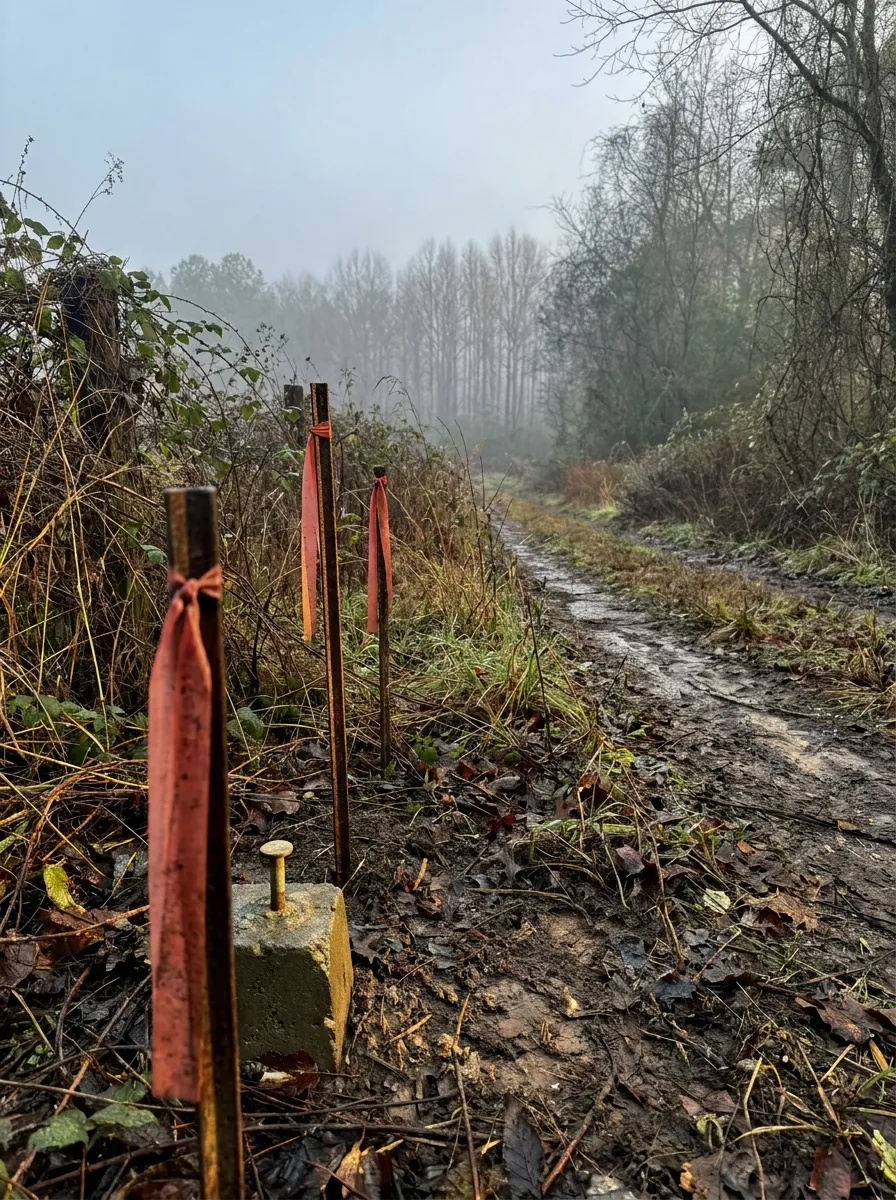
Selling land by owner means taking control of the sale, but it also means handling the details that can make or break a closing. A vacant lot with unclear access, an inherited parcel with missing records, or rural land priced too high can lose buyer interest quickly. The good news is that you do not need a real estate agent to move forward with confidence if you understand the process before you list.
Learning how to sell land by owner starts with more than putting up a “For Sale” sign. Buyers want clear answers about the property’s location, boundaries, zoning, road access, utilities, taxes, and possible uses. They also want to know that the title can be transferred without surprises. When you prepare those details early, you make it easier for serious buyers to trust the property and submit an offer.
Many owners choose a for-sale-by-owner land sale because they want more control over pricing, communication, and negotiations. You may own land you no longer use, have inherited property that does not fit your plans, or want to avoid paying an agent commission. Selling land without a realtor can save money, but it also places the responsibility for research, marketing, paperwork, and closing decisions in your hands. That does not have to be overwhelming when you take each step in the right order.
The first challenge is often setting a realistic price. Acreage alone does not determine value. A smaller parcel with legal road access, nearby utilities, and flexible zoning may attract more interest than a larger tract with limited access or land-use restrictions. Recent local sales, parcel size, terrain, surveys, and buyer demand all play a role in a solid land pricing strategy.
You will also need to gather important documents, including the deed, legal description, tax information, survey records, and any disclosures required in your area. These records help prevent confusion during negotiations and make the land closing process smoother. A title company or real estate attorney can still assist with title checks, deed transfer, and final paperwork, even when you sell land without an agent.
Marketing matters just as much as preparation. Clear photos, accurate maps, a detailed property description, and honest answers about the land can help your listing stand out on land listing platforms. At the same time, it is wise to compare your options. Some owners prefer the potential control of an FSBO sale, while others decide that working with cash land buyers is a simpler fit for their timeline and comfort level.
This guide walks you through pricing, preparing, marketing, negotiating, and closing your land sale without a realtor. Let’s look at what matters most before you decide how to sell.
What Selling Land by Owner Really Means
FSBO land sale vs. using an agent
A for sale by owner land sale, often called an FSBO land sale, means you manage the transaction yourself instead of hiring a real estate agent. You decide the asking price, prepare the listing, respond to buyers, arrange site visits, negotiate terms, and coordinate the closing.
Selling land without a realtor can save on commission, but it also puts more responsibility on you. Land buyers often ask detailed questions about zoning, road access, utilities, surveys, taxes, and possible uses. Unlike a house, vacant land may not be easy for a buyer to picture, so clear facts and good communication matter.
You do not need to know everything before you begin. The goal is to get organized, provide honest information, and bring in a title company or attorney when the situation calls for it. Understanding why owners choose this route can help you decide whether it fits your situation.
Why owners choose to sell land without a realtor
Landowners choose to sell land by owner for many reasons. Some want to keep more control over the process and speak directly with buyers. Others own an inherited parcel, a rural tract they no longer use, or vacant land in another county that has become a burden.
Common reasons include:
Avoiding a traditional agent commission
Setting the price and negotiation terms yourself
Selling inherited land with a straightforward plan
Moving an unused vacant parcel without waiting for a full listing strategy
Talking directly with buyers who understand land
FSBO can work well when you have time to gather property details, market the land, and review offers carefully. It is normal to feel nervous about underpricing the property or making a paperwork mistake. Preparation helps reduce both concerns. Still, some property situations call for a simpler path.
When FSBO may not be the easiest path
An FSBO land sale may be harder if you are out of state, dealing with multiple heirs, facing title questions, or trying to sell quickly. Unpaid property taxes, unclear boundaries, probate matters, and access disputes can take attention away from marketing the land.
You may also prefer another option if you do not want to handle repeated buyer questions, showings, or negotiations. Comparing your FSBO plan with an offer from cash land buyers can help you weigh convenience, timing, and expected proceeds. Before choosing any path, start by getting the land itself ready for review.
How to Prepare Your Land Before You List It
Gather the key documents early
One of the most useful steps in how to sell land by owner is gathering documents before a buyer asks for them. Buyers feel more confident when basic details are ready. Missing paperwork can create doubt, slow the land closing process, or cause a buyer to move on to another property.
Try to collect:
The current deed
Tax bills or county property records
The legal description of the parcel
A recent land survey, if available
Zoning or land use information
Records about wells, septic systems, utilities, easements, or restrictions
Any property disclosure requirements that apply in your area
A survey is helpful but is not always required. It can show boundaries, easements, road frontage, and possible encroachments. If you do not have one, be clear about that rather than guessing where the parcel lines are. Once paperwork is gathered, look closely at ownership and title status.
Check ownership, title, and tax status
Make sure the person or people selling the land have the legal ability to transfer it. This is especially important for inherited property, family land, and parcels owned by more than one person. A title search later in the process may reveal liens, old mortgages, unpaid taxes, judgments, or name differences on past documents.
If the owner has passed away, probate or estate steps may need to be completed before the land can be sold. If several heirs own the parcel, everyone may need to agree to the sale. These issues do not always prevent a sale, but identifying them early gives you time to understand what is needed.
This is general information, not legal advice. A title company for land sale or a local real estate attorney can explain the documents needed for your specific transaction. With ownership details in view, you can turn to the features buyers will examine most closely.
Review access, boundaries, and land use
Buyers want to know whether they can legally and practically use the land. Confirm whether the property has public road frontage, recorded easement access, or only an informal path across neighboring land. Access is often one of the biggest issues in a rural property sale.
Also review zoning and land use rules. A buyer may want to build a home, place a manufactured home, camp, hunt, farm, or hold the parcel as an investment. Do not promise a use unless it is supported by local rules and property records. Instead, share what you know and encourage buyers to confirm plans with the appropriate county office.
Clear information about boundaries, easements, flood areas, restrictions, and utilities builds trust. It also gives you a stronger foundation for setting a fair asking price.
How to Price Land for Sale by Owner
Start with real market data
If you are wondering how to price land for sale by owner, begin with recent sales, not just active listings. An active listing shows what another owner hopes to receive. A completed sale gives a better clue about what buyers have recently paid.
Look for parcels with similar:
Acreage and shape
Location and nearby demand
Road access and frontage
Zoning and allowed uses
Utilities or water availability
Terrain, tree cover, and flood risk
County records, local land listings, and public sale information can help you build a basic land pricing strategy. If the closest comparable sale is not very similar, adjust carefully instead of copying its price. The features of your specific parcel will influence value just as much as acreage.
Understand what affects land value
A five-acre tract with paved road frontage, power nearby, and buildable ground may have a very different value from five acres with steep terrain and uncertain access. Acreage alone does not determine land value.
Key value drivers often include road access, utilities, zoning, topography, floodplain status, soil conditions, nearby development, and demand in the area. A small lot near growing neighborhoods may attract more buyers than a larger rural parcel far from services.
For raw land, buyers may also consider the cost and effort needed to make the property usable. Being honest about those limits helps buyers evaluate the parcel and helps you avoid price expectations that do not match the market.
Adjust for raw land, rural land, or inherited property
A vacant land sale is not priced the same way as a build-ready lot. Raw land may need a driveway, utility connections, septic approval, clearing, or other work before it can serve a buyer’s goal. Rural land can be appealing for privacy and recreation, but distance from towns and services may narrow the buyer pool.
Inherited land can carry strong personal meaning, especially if it has been in the family for years. That feeling is understandable, but emotional value is different from market value. A realistic price does not reduce the importance of the property. It simply gives you a better chance to reach qualified buyers.
Avoid pricing mistakes that push buyers away
Overpricing often leads to low interest, repeated price reductions, and a longer wait. Underpricing can bring quick attention but may leave money on the table. The best price is usually one supported by facts and adjusted for the property’s condition and market appeal.
If your listing receives views but no calls, or calls but no offers, revisit the price and property details. A clear presentation and realistic price work together, which makes marketing your land much easier.
How to Market Vacant Land Without a Realtor
Write a clear and honest property description
When learning how to market vacant land without a realtor, remember that buyers need facts they can verify. Start with acreage, county, parcel number, road access, zoning, terrain, and known utility information. Describe likely uses carefully, using language such as “buyer should verify” when a use depends on local approval.
Avoid broad claims like “perfect for anything.” A stronger description might explain that the parcel has county road frontage, mostly level terrain, and nearby power, while noting whether water and septic will need to be researched.
Honest details help serious buyers decide whether the land fits their plans. They also reduce the number of conversations that go nowhere.
Use photos, maps, and survey details
Land photos should answer practical questions. Include road frontage, entrances, open areas, wooded sections, slopes, nearby surroundings, and visible boundary markers. If the property is large, take photos from several points rather than relying on one wide image.
Add a parcel map, aerial image, and survey when available. Marking approximate boundaries on an aerial map can be useful, but clearly state that it is approximate unless based on a recorded survey. These materials make the listing easier to understand from a distance, which is especially helpful for out-of-state buyers.
List the property where land buyers actually look
Land often needs more targeted exposure than a home. Consider land listing platforms, local classified channels, community groups where permitted, and direct outreach to buyers who may have a reason to want property nearby. Neighboring landowners can also be worth contacting because they may value extra acreage or added privacy.
Your listing should make it easy for a buyer to request maps, documents, and showing information. As interest starts coming in, strong communication becomes just as important as the listing itself.
Highlight details that reduce buyer hesitation
A buyer may hesitate because they do not know about access, restrictions, annual property taxes, or utility availability. Address known issues directly. If there is no public water, say so. If access is through a recorded easement, explain it and provide supporting records if possible.
Disclosure does not mean making the property sound worse than it is. It means helping buyers make informed decisions. This openness supports trust and leads naturally into better buyer conversations.
How to Handle Buyer Questions, Showings, and Offers
Answer questions clearly and quickly
Common buyer questions involve parcel boundaries, zoning and land use, road maintenance, utilities, flood risk, property taxes, and whether the land is buildable. Keep a folder with your documents and use it to give consistent answers.
If you do not know an answer, it is better to say so than to guess. Let the buyer know where they can verify the information. Quick, accurate responses show that you are organized and help separate serious buyers from casual inquiries.
Show the land in a way that supports the sale
Before a showing, confirm that the buyer can safely reach the property. Share clear directions, identify a meeting point if needed, and let someone know where you will be. If terrain is rough, advise visitors to wear suitable shoes and use an appropriate vehicle.
During the visit, point out entrances, road frontage, visible markers, open building areas, creeks, wooded sections, and anything else relevant. Do not pressure the buyer. A calm, professional showing lets the land speak for itself and prepares both sides for an offer discussion.
Review offers with more than price in mind
The highest offer is not always the strongest offer. Review the full terms, including earnest money, financing, inspection or due diligence periods, requested contingencies, proposed closing date, and who will pay closing costs.
A lower offer from a prepared buyer with a clear timeline may be more practical than a higher offer with many conditions. Ask questions when terms are unclear, and get professional help for contract concerns. Once terms are agreed upon, a title company or attorney can help move the sale toward closing.
Do You Need a Title Company or Real Estate Attorney?
What a title company does in a land sale
A title company can support a land sale even when no agent is involved. It may perform a title search, identify liens or ownership concerns, hold earnest money, prepare closing documents, coordinate signatures, collect funds, and record the deed transfer.
Using a neutral closing professional can make both the seller and buyer more comfortable. It helps create a clear process for funds and paperwork, which is valuable when parties do not know each other well.
When a real estate attorney may be useful
A real estate attorney may be useful when probate is involved, several owners must sign, the title has defects, or the land purchase agreement contains unusual terms. An attorney can also help when a buyer asks for seller financing or when there is a dispute over access, boundaries, or contract language.
Whether you need one depends on local rules and the facts of the sale. Professional guidance can feel like an added cost, but it may reduce uncertainty in a complicated transaction.
Can you sell land without a title company?
Can I sell land without a title company? In some locations, it may be possible, but local practices and legal requirements vary. Handling all funds, deed preparation, and recording yourself can increase the chance of costly errors.
For many sellers, a title company provides useful structure for the property deed transfer and land closing process. The next step is making sure the agreement and final closing details are handled carefully.
How to Close a Land Sale Without a Realtor
Review the land purchase agreement carefully
A land purchase agreement puts the deal terms in writing. It should clearly state the purchase price, earnest money amount, due diligence period, contingencies, closing date, and which party pays specific closing costs.
Read every term before signing. A vague agreement can create confusion about access, surveys, taxes, or what happens if a condition is not met. If you are unsure about language or obligations, consider asking a qualified local professional for guidance.
Complete the deed transfer correctly
The deed must use the correct legal names of the parties and the correct legal description of the land. A street address or parcel number alone may not be enough. Mistakes can delay recording or create title questions later.
The title company or attorney usually helps ensure the deed is signed, notarized, and recorded according to local requirements. After that, both sides should keep copies of final documents and closing statements.
Prepare for closing costs and final steps
Closing costs may include title services, recording fees, deed preparation, transfer charges, and prorated property taxes. The purchase agreement should say how costs are divided. Ask for an estimate before closing so you are not surprised.
From signed contract to recorded deed, the timeline depends on title work, buyer due diligence, document readiness, and local recording practices. Knowing these steps makes it easier to compare FSBO with other selling choices.
Pros and Cons of Selling Land Without an Agent
The main benefits of FSBO land sales
Selling land without an agent may allow you to avoid a traditional commission and control how the property is presented. You can answer buyer questions directly, decide how to negotiate, and choose a timeline that works for you.
For owners who are organized and comfortable communicating with buyers, these benefits can be meaningful. The tradeoff is that you take on tasks an agent would normally manage.
The main risks of FSBO land sales
FSBO sellers handle pricing, marketing, screening, showings, contract review, and closing coordination. Small mistakes, such as unclear access details or missing ownership documents, can slow the sale.
Negotiation can also feel personal, especially with inherited land. Try to focus on facts, market data, and written terms instead of pressure. If the process feels too demanding, that does not mean you have failed. It simply means another sale option may better fit your needs.
How to decide if FSBO is right for you
Compare the likely time, stress, expenses, and possible net proceeds for each option. Ask yourself whether you can gather documents, answer land questions, market consistently, and wait for the right buyer.
If you want help comparing your choices, Sekhem Capital Holdings can be a useful resource for landowners exploring a direct sale. Whichever route you choose, avoiding common delays will protect your time and confidence.
Common Mistakes That Slow Down a Land Sale
Missing or unclear property details
Buyers may pause when they cannot confirm boundaries, access, acreage, or restrictions. A missing survey does not always stop a sale, but vague answers can. Prepare maps, records, and known facts before the listing goes live.
Ignoring title, tax, or ownership problems
Unpaid taxes, liens, probate issues, and shared ownership often surface during title review. Addressing them early, or at least disclosing them clearly, helps prevent last-minute surprises that can delay closing.
Pricing too high or not marketing well enough
A listing that sits without serious interest may need a better price, clearer photos, stronger maps, or more direct facts. Review your approach after a reasonable period instead of assuming buyers will eventually appear. If the work of adjusting and waiting feels too heavy, a direct buyer may offer a different path.
When a Cash Land Buyer May Be the Simpler Choice
Why some owners trade price for speed and certainty
Some owners prioritize a straightforward sale over trying to reach the highest possible price. This can be common with unwanted vacant land, inherited property, rural parcels far from home, or land with ongoing tax costs.
A direct sale may involve fewer showings and less marketing, but sellers should still review the offer, ask questions, and understand the terms. Convenience has value, yet it should be weighed against your financial goals.
How direct buyers can reduce stress
Direct buyers may reduce the number of moving parts in a transaction. There may be less back-and-forth with multiple prospects, fewer site visits, and a more defined closing plan. This can be helpful when you want to move on from a property without managing a full FSBO campaign.
Landowners who want to compare this route can explore cash land buyers and ask how the buyer handles title, closing costs, and timelines. Those answers make it easier to compare offers fairly.
How to decide between FSBO and a direct sale
FSBO may be a good fit if you have time, clear records, and confidence in your pricing and marketing plan. A direct sale may be better if convenience, reduced stress, and a simpler closing matter more than pursuing the widest buyer pool.
The right choice depends on your land, your timeline, and how much of the process you want to manage yourself.
Conclusion
Selling land by owner can be a smart choice, but it works best when you understand what the process really requires. An FSBO land sale gives you more control, but it also means you handle the price, the listing, buyer questions, showings, and the closing steps yourself. For many landowners, that can feel manageable once the property details are organized. For others, it can become time-consuming, especially when the land has title issues, unpaid taxes, shared ownership, or unclear access.
One of the biggest takeaways is that vacant land is not sold like a house. Buyers want facts. They want to know about zoning, road access, utilities, surveys, boundaries, and possible land uses before they make an offer. Clear documents and honest answers help build trust and make your land easier to evaluate. The more prepared you are, the fewer delays you are likely to face later in the process.
Pricing also matters. A strong asking price should be based on real market data, not only on hope or emotion. Recent sales, not just active listings, can give a better sense of what buyers are paying. Land value depends on more than acreage. Road frontage, utility access, terrain, flood risk, and nearby demand can all shape how a parcel is viewed. If the land is raw, rural, or inherited, it may need a more careful pricing approach so it reaches serious buyers without sitting too long.
Marketing the land well is just as important as pricing it correctly. Good photos, maps, parcel details, and a clear description can help buyers understand the property faster. When buyers ask questions, answer them clearly and quickly. When offers come in, look at the full terms, not just the price. A buyer with fewer conditions and a simpler timeline may be a better fit than a higher offer that creates more uncertainty.
It is also wise to know when outside help may be useful. A title company or real estate attorney can help with closing steps, deed transfer, and issues that are harder to handle alone. That support can be especially helpful if the land is part of an estate, involves multiple owners, or has title concerns. These steps are not just paperwork. They help protect the sale from avoidable problems.
At the end of the day, the best selling path is the one that fits your goals. If you have time and want more control, FSBO may work well. If you want less stress and a simpler process, a direct sale may be worth comparing. For landowners who want a helpful and trustworthy place to explore their options, Sekhem Capital Holdings can be a useful resource as you decide the next step for your property.
Selling land without an agent can feel empowering, but it can also bring real pressure if you are unsure about pricing, paperwork, or closing. These key takeaways break the FSBO process into clear, practical steps so you can move forward with more confidence and less stress.
Start with a clear, realistic price: Compare recent land sales, check zoning, access, utilities, and parcel size so you do not overprice or leave money on the table.
Get your documents in order early: A deed, tax records, survey, legal description, and any disclosure forms can help prevent delays and legal surprises later.
Protect yourself from buyer confusion: Answer questions about boundaries, road access, restrictions, and land use clearly so serious buyers can move forward faster.
Market the land where buyers actually look: Use land listing platforms, clear photos, and a strong property description to help your vacant land stand out without a realtor.
Know when a title company or attorney helps: A trusted closing professional can handle deed transfer, title checks, and closing paperwork even if you are selling by owner.
Understand the real pros and cons of FSBO: Selling land without an agent can save commission, but it also means you handle pricing, negotiations, and legal details yourself.
Avoid the mistakes that slow sales down: Common issues like missing boundaries, unclear access, unpaid taxes, or weak pricing can scare buyers away or delay closing.
It is okay to feel unsure: Many owners worry about making a costly mistake, and that is normal, which is why a step-by-step process matters more than rushing the sale.
Compare FSBO with a cash land buyer: If speed, certainty, and less stress matter more than getting the highest possible price, a direct sale may be the simpler path.
Once you understand the steps, selling land by owner becomes much less overwhelming and much more manageable. In the sections ahead, you will learn how to price, market, and close your land sale with a smoother path from start to finish.
Ready for a Simpler Way to Sell Your Land?
If managing listings, showings, buyer questions, and paperwork feels like too much, a direct sale may be worth comparing. Sekhem Capital Holdings works with landowners who want a clear path forward without handling every part of an FSBO sale.
No need to create or manage a listing
Fewer buyer calls, showings, and negotiations
A straightforward review of your parcel and its details
Support for understanding the next steps in the sale process
You can still compare your options and choose the path that fits your goals. Get a land offer from Sekhem Capital Holdings today.

Frequently Asked Questions
Quick answers about how we help out.
How do I sell my land fast without a realtor?
The fastest path is usually to make the land easy to evaluate and easy to close. Start with clear ownership records, a clean legal description, tax information, and honest details about access, zoning, utilities, and any restrictions. Then decide whether you want to list it yourself or compare that route with a direct sale from Sekhem Capital Holdings. If speed matters more than running a full FSBO process, request a land offer at https://schlands.framer.website/ and compare your options.
How much is my vacant land worth when selling by owner?
Vacant land value depends on real market demand and the property’s specific features, not acreage alone. Road access, zoning, utilities, terrain, flood risk, parcel size, nearby demand, and title status all affect what buyers may pay. The best starting point is to compare recent sales of similar land in your area, then adjust for your parcel’s condition and use potential. If you want a simpler way to compare your options, contact Sekhem Capital Holdings at https://schlands.framer.website/.
Can I sell inherited land without going through probate first?
That depends on how the land is titled and whether the estate has been settled. Inherited land often cannot be transferred until ownership is legally clear, and multiple heirs may also need to agree to the sale. Because these situations can be complicated, it is smart to identify title or estate issues early and check what documents are still needed. A title company or real estate attorney can help explain the process, and you can also ask Sekhem Capital Holdings to review the property at https://schlands.framer.website/.
What documents do I need to sell land by owner?
At minimum, gather the deed, tax records, the legal description, and any survey or parcel map you have. It also helps to collect zoning details, easement information, utility records, and any disclosure forms required in your area. Missing paperwork can slow the closing process or discourage buyers, so it is worth organizing everything before you list the land. If you want a direct buyer to review your parcel, you can contact Sekhem Capital Holdings at https://schlands.framer.website/.
Can I sell land without a title company?
In some places, it may be possible, but the rules and common practices vary by location. A title company helps with title checks, deed transfer, closing paperwork, and recording, which can reduce the risk of avoidable mistakes. Skipping that help may save effort upfront, but it can create bigger problems if ownership, liens, or recording details are not handled correctly. If you want a cleaner closing path, compare your options with Sekhem Capital Holdings at https://schlands.framer.website/.