How to Sell Land by Owner in Wisconsin: A Step-by-Step FSBO Guide
Sekhem Capital Holdings
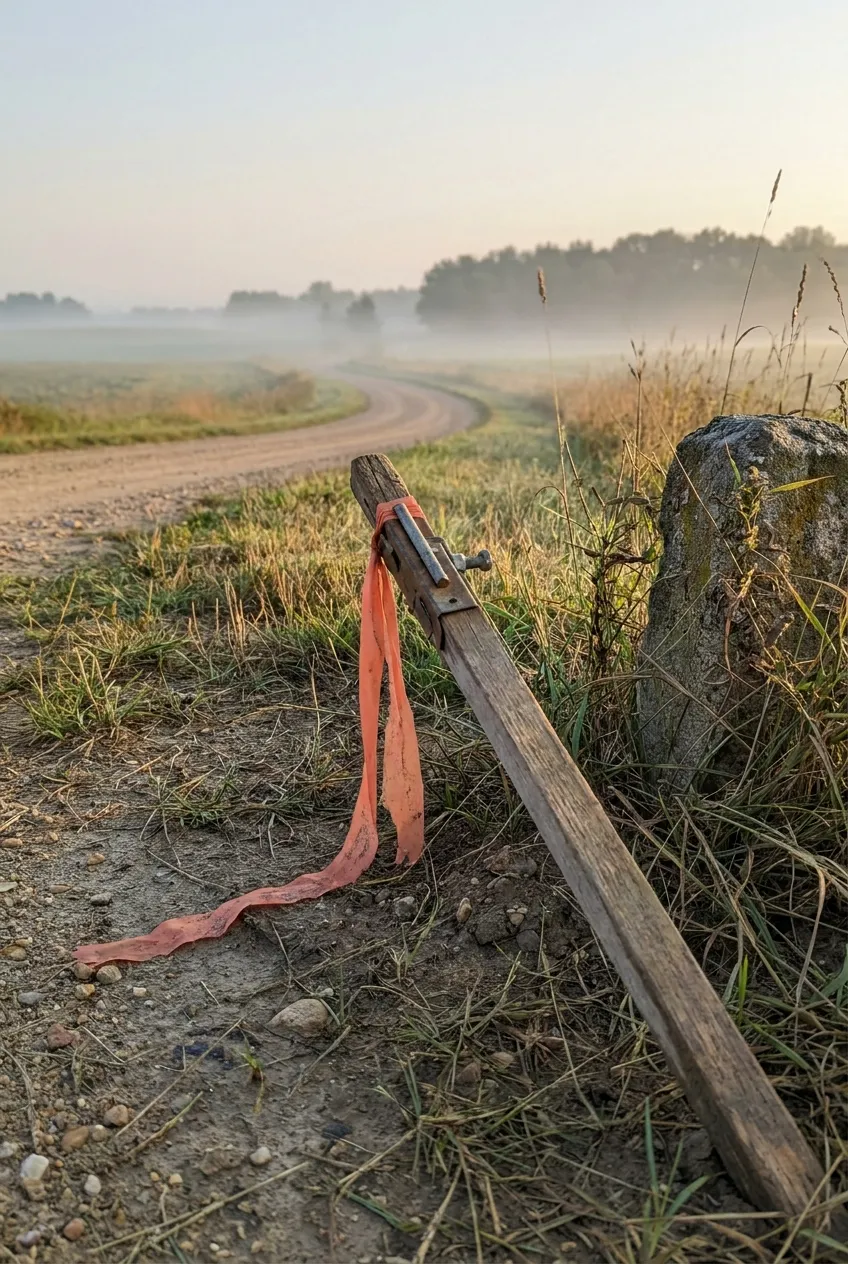
Selling vacant land in Wisconsin is not as simple as putting up a sign and waiting for an offer. Buyers want clear answers about road access, zoning, utilities, soil conditions, property lines, taxes, and title before they commit. A missing detail or unclear document can slow the sale, reduce buyer interest, or create problems at closing.
If you are learning how to sell land by owner in Wisconsin, you need a process built for land, not a home-selling checklist. Whether you own a rural acreage, inherited a vacant lot, or no longer want to pay taxes on unused property, selling without an agent can give you more control over pricing, marketing, and negotiations. It also means you are responsible for preparing the property information, finding serious buyers, handling disclosures, and making sure the deed transfer is completed correctly.
A strong FSBO land sale starts with realistic pricing. Acreage matters, but it is only one part of value. Land with legal road access, useful zoning, nearby power, buildable ground, and demand from local buyers may be worth far more than a similar-sized parcel with access or development limits. You will also need to decide where to advertise, what documents to gather, and how to respond when a buyer asks about boundaries, easements, restrictions, or possible uses.
Wisconsin sellers should also understand that vacant land may qualify for an exemption from the Wisconsin Real Estate Condition Report in certain situations. Still, an exemption does not give sellers permission to hide known problems. Being open about issues such as wetlands, flood risks, drainage concerns, unpaid taxes, shared access, or title questions helps build trust and can prevent disputes later.
Once you find a buyer, the details matter just as much as the listing. A land purchase agreement should identify the correct parcel, purchase price, earnest money, contingencies, closing date, and responsibility for closing costs. A title company or real estate attorney can help confirm ownership, prepare closing paperwork, and record the deed with the Wisconsin county register of deeds. Many land buyers pay cash, which may reduce lender-related delays, but every seller should still review the terms carefully.
Selling on your own can be a good fit if you have time to manage the process and want full control. If you prefer a simpler route, working with cash land buyers may be worth comparing, especially when speed, inherited property, or paperwork concerns are part of the decision. Let’s look at each step you need to take to sell your Wisconsin land confidently and avoid costly mistakes.
1. Why Selling Land by Owner in Wisconsin Is Different
Vacant land is not the same as selling a house
Learning how to sell land by owner in Wisconsin starts with understanding that land buyers think differently than home buyers. A house buyer may focus on room layout, repairs, and curb appeal. A land buyer usually wants to know whether they can reach the property, build on it, hunt on it, farm it, divide it, or use it for recreation.
For a vacant parcel, the biggest questions are often about legal access, zoning, road frontage, utilities, soil, flood risk, wetlands, and restrictions. A beautiful wooded lot may still be hard to sell if it is landlocked or cannot support the buyer’s intended use.
Land can also take longer to sell than a home because the pool of buyers is smaller. Buyers often need time for land due diligence, including reviewing surveys, checking setbacks, confirming septic options, and speaking with county zoning offices.
What Wisconsin landowners need to get right from the start
A successful FSBO land sale Wisconsin process usually depends on five areas: accurate pricing, a clear listing, honest disclosure, a complete purchase agreement, and an organized closing. Missing details in any one of these areas can lead to lost buyer interest or delays.
Start by treating your parcel like a buyer would. Gather the facts, identify possible concerns, and be ready to explain what you know. This makes selling vacant land without a realtor in Wisconsin more manageable and builds trust with serious buyers.
When FSBO makes sense and when it may not
Selling land without an agent can make sense when you have time to answer buyer questions, research the market, organize documents, and manage negotiations. It may work especially well when the title is clean, the property has clear access, and its use is easy to explain.
However, some situations need more support. Inherited land, multiple owners, unclear boundaries, unpaid taxes, or access disputes can make an FSBO sale more complicated. Owners who prefer a simpler route may want to compare a direct sale with Sekhem Capital Holdings before choosing their path. The next step is making sure you have the correct property details before you market the land.
2. Gather the Property Details Before You List
Confirm the exact parcel you own
Before listing, verify the parcel number, legal description, acreage, and county where the land is located. County tax records are useful, but they may not answer every question about boundaries or ownership. Your deed, survey, tax bill, and county parcel map can help confirm the basic facts.
This step is especially important for selling inherited land by owner in Wisconsin. Probate, co-ownership, or an older deed may need extra attention before you can sign a purchase agreement. If more than one person owns the land, make sure everyone understands the sale process and has authority to sign.
Check access, easements, and road frontage
Buyers commonly ask whether the land has legal road access, not just whether a vehicle can physically reach it. A driveway across a neighbor’s property may require a recorded easement. A shared private road may also involve maintenance costs or use rules.
Be ready to explain:
Whether the parcel touches a public road
Whether access uses an easement or shared drive
Any known road maintenance agreements
Whether the parcel may be landlocked
Unclear access can slow down or end a rural land sale Wisconsin transaction. Addressing the question early helps buyers evaluate the property with confidence.
Review zoning, utilities, and land use
Zoning and utility availability strongly affect land value. A buyer may ask whether the parcel is residential, agricultural, commercial, or recreational. They may also want to know about minimum lot size, setbacks, building permits, animals, hunting, or possible subdivision rules.
If the land does not have municipal water and sewer, buyers may ask about well and septic options. Power may be nearby without being installed on the parcel. Avoid guessing. Share what you know and direct buyers to the proper county, town, or utility office for confirmation.
Look for issues that may affect a sale
Review known concerns before listing, including wetlands, flood zones, drainage, steep slopes, soil conditions, restrictions, unpaid property taxes, and title issues. These facts do not always prevent a sale, but surprises can damage buyer trust.
A prepared seller can present these items as due diligence information instead of allowing them to become last-minute problems. With the parcel facts in order, you can move to pricing the land based on its real market position.
3. Price Your Land Based on Real Market Factors
Why acreage alone does not set the price
Two 10-acre parcels in Wisconsin can have very different values. One may have paved road frontage, buildable ground, electric service, and a strong local market. The other may have no recorded access, wetlands, or restrictions that limit its use.
Location, zoning, topography, utilities, nearby demand, and usable acreage all affect value. This is why land pricing without appraisal should still be based on evidence rather than a simple price-per-acre estimate.
Research comparable land sales in Wisconsin
Look for recent sales of similar vacant land in the same county or nearby area. Compare parcels with similar acreage, road access, zoning, terrain, and intended use. A wooded recreation tract should not be priced only against an open building lot, and agricultural land should be compared with similar farmable acreage.
County records, local land listings, and conversations with knowledgeable local professionals can help you understand asking prices and completed sale prices. Focus on current market conditions, not only what a nearby owner hopes to receive.
Adjust for features that raise or lower value
Features that may increase value include buildable ground, maintained road access, power nearby, marketable timber, tillable acreage, water features, and recreational appeal. Features that may lower value include wetland limits, flood risk, difficult terrain, poor access, costly utility extension, or unclear boundaries.
For rural property, the likely buyer matters. A hunter, farmer, future homebuilder, or recreational buyer may value the same parcel differently. This makes it important to market the land around its realistic strengths.
Set a price that attracts serious buyers
An overly high price may cause buyers to pass without asking questions. A reasonable price backed by clear property information can encourage stronger inquiries and reduce time on market. You can leave room for negotiation, but the asking price should still match the parcel’s condition and use potential.
When a cash offer may be worth comparing
A cash land buyer may not always offer the highest possible price, but a cash sale can reduce lender-related conditions and simplify the process. It can be worth comparing if speed, fewer showings, or less paperwork matters to you. Once you know the value range, the next job is getting the property in front of the right buyers.
4. Choose Where to Market Your FSBO Land Sale
Use land listing sites made for vacant land
Land listing sites for sale by owner can be more useful than general home-sale websites because buyers can search by acreage, land type, county, and intended use. Use platforms where buyers expect to find lots, hunting land, rural acreage, and buildable parcels.
Your listing should make it easy for a buyer to tell whether the land fits their needs. Do not make them search through vague descriptions for basic facts.
Add local and county-focused exposure
A yard sign can work well when the property has visible road frontage. Local community groups, county-focused publications, word of mouth, and nearby landowners may also help create interest. This can be especially helpful for inherited property or rural parcels where local buyers already understand the area.
Use care when sharing the location of vacant property. If you allow visits, ask interested buyers to respect boundaries, gates, neighboring land, and any safety concerns.
Write a listing that answers buyer questions
A strong listing should include acreage, county, parcel number, road access, zoning, annual taxes, utility information, and known restrictions. It should also describe the best likely uses, such as recreation, a future home site, farming, or hunting, without making claims you cannot verify.
Clear wording builds trust. For example, say “buyer should verify building and septic requirements with the county” instead of stating that a parcel is guaranteed buildable.
Use photos, maps, and documents that help buyers decide
Add recent ground photos, aerial images, road frontage photos, parcel maps, survey information, and any available zoning or utility documents. Marking approximate boundaries can help, but do not present an aerial image as a survey.
Good details reduce repeated questions and help filter out weak leads. Once buyers start responding, disclosure becomes an important part of keeping the sale transparent.
5. Handle Wisconsin Disclosure Requirements the Right Way
Know whether the Real Estate Condition Report applies
A Wisconsin Real Estate Condition Report may be required in many residential transactions, but a vacant land disclosure Wisconsin exemption may apply in certain situations. The exact requirement can depend on the property and transaction, so it is wise to confirm the current rules with a qualified local professional.
Even when an exemption applies, it does not give a seller permission to hide known material problems. Honest communication remains important in every land sale.
Disclose known issues that could affect the buyer
Tell buyers about known concerns that could affect ownership or use. These may include wetlands, drainage problems, flood risk, access limits, shared-drive arrangements, title questions, restrictions, or unpaid taxes.
You do not need to solve every issue for the buyer, but you should not misrepresent the property. Being open early gives buyers a fair chance to perform their own due diligence.
Keep written records of what you told the buyer
Provide important information in writing and keep copies of emails, maps, disclosures, and buyer questions. Written records can help both parties remember what was discussed and reduce confusion later.
With transparency in place, you can turn to the agreement that defines the sale terms and each party’s responsibilities.
6. Create a Strong Land Purchase Agreement
Use a contract made for vacant land
A standard home contract may leave out details that matter in a land transaction. A land purchase agreement Wisconsin sellers use should clearly identify the parcel and address access, inspections, zoning review, title work, and closing responsibilities.
This document sets the rules for the transaction. Vague or copied language can create problems if the buyer later discovers an issue with the land.
Include the key terms every land contract should cover
At a minimum, the agreement should address:
Parcel number, legal description, and property location
Purchase price and earnest money amount
Buyer contingencies and due diligence period
Planned closing date
Responsibility for closing costs and title charges
Buyer access to inspect the property before closing
The legal description is especially important because a street address or parcel map alone may not fully identify what is being transferred.
Add clear language about contingencies and due diligence
Land buyers often need time to check zoning, survey boundaries, soil conditions, utilities, title, and permitted uses. The agreement should state what the buyer can investigate, how long they have, and what happens if a contingency is not met.
Clear deadlines help avoid a contract that stays open indefinitely. They also give sellers a better sense of when a buyer is likely to move forward.
Decide who prepares the agreement
A title company may provide closing support, but it may not provide legal advice or draft every type of agreement. A real estate attorney can draft or review the contract, particularly when the sale involves inherited land, multiple owners, unusual access, or complicated restrictions.
The right agreement leads naturally into the title and closing work needed to complete the transfer.
7. Find the Right Help for Title and Closing
Why a title check still matters in an FSBO sale
A cash sale does not remove the need for title work. Title issues can include liens, unpaid taxes, probate concerns, old mortgages, ownership disputes, or legal description errors. These issues may need to be resolved before a buyer will close.
Starting title work soon after accepting an offer can reveal concerns while there is still time to address them.
How a title company helps in Wisconsin
A title company land closing Wisconsin process may include a title search, title insurance options, payoff requests, closing statements, document coordination, fund handling, and deed recording. The title company helps organize the transaction, but each party should understand what services are and are not included.
Ask early about required documents, expected fees, and the proposed closing timeline.
When to involve a real estate attorney
Do you need a lawyer to sell land in Wisconsin? Not every straightforward FSBO sale requires one, but legal help can be useful when there are inherited ownership questions, boundary disputes, multiple sellers, access disagreements, private restrictions, or unusual contract terms.
An attorney and a title company have different roles. A title company helps facilitate closing and examine title, while an attorney can provide legal guidance about documents and rights.
Keep closing costs and responsibilities clear
Closing costs can include title charges, recording fees, deed preparation, transfer-related fees, tax prorations, and any lien or mortgage payoff amounts. The purchase agreement should state who pays each cost rather than leaving the issue for the final week.
Once these responsibilities are clear, you can follow the normal Wisconsin deed transfer process through closing.
8. Walk Through the Closing and Deed Transfer
What happens after the buyer signs the contract
After a signed agreement, the buyer typically completes due diligence while the title company begins title work. The seller may need to provide identification, the existing deed, payoff details, probate documents, or information about known liens.
The closing date should allow enough time for inspections, title review, document preparation, and any issue resolution. Do not assume every cash deal closes immediately.
Prepare the deed for transfer
A Wisconsin land deed transfer requires correct legal names, the proper legal description, and required signatures. The deed must accurately match the property being sold. Errors can create recording delays or future ownership problems.
The completed deed is recorded with the Wisconsin county register of deeds in the county where the land is located. This recording creates the public record of the ownership transfer.
Complete the closing paperwork
At closing, the parties review and sign the final documents, confirm any payoff amounts, and complete the settlement statement. The buyer provides funds according to the closing instructions. Cash buyers may avoid lender approval delays, but title and document requirements still apply.
Confirm the transfer is recorded
Closing is not truly complete until the deed is properly recorded. Ask for confirmation from the title company or closing provider and keep copies of your signed closing documents.
With the mechanics of the sale understood, it is easier to avoid the common mistakes that can interrupt an otherwise good transaction.
9. Know the Most Common FSBO Land Mistakes
Weak pricing or poor market research
Guessing at land value can lead to months of little interest or repeated low offers. Use real comparable sales and adjust for access, zoning, usable acreage, and property condition.
Missing documents or unclear property details
Missing surveys, confusing parcel data, unknown access rights, and unresolved title concerns can make buyers hesitant. Gather what you have before listing and be honest about what you do not know.
Vague contract language
Unclear terms about earnest money, contingencies, closing costs, or inspection access can lead to disagreements. A detailed agreement protects both sides by setting clear expectations.
Waiting too long to solve problems
Unpaid taxes, probate work, restrictions, and title defects are easier to handle before a buyer is waiting for closing. Early preparation gives you more choices and helps preserve buyer confidence.
Avoiding these issues also makes it easier to compare whether an FSBO sale is the best fit for your situation.
10. Compare FSBO, Cash Sale, and Simple Direct Sale Options
What you gain by selling on your own
When you sell land without an agent Wisconsin owners can control the price, marketing, buyer communication, and negotiation process. You may also avoid paying a listing commission. FSBO can work well for organized owners with clean title, accurate documents, and time to manage inquiries.
When selling to a cash buyer may be easier
Cash land buyers can be useful for owners who do not want to wait for financing approval or market the parcel for an extended period. This can appeal to inherited land owners, rural property owners, and sellers who want fewer moving parts.
A cash offer should still be reviewed carefully. Compare the purchase price, closing costs, contingencies, timeline, and buyer reputation.
How to decide between speed, control, and net proceeds
The best option is not always the highest advertised price. Consider how much time you can spend on marketing, how certain the buyer appears to be, what repairs or records are needed, and how long you are willing to wait.
Where Sekhem Capital Holdings fits in
Sekhem Capital Holdings provides an option for owners who want to explore a more direct land sale path. If you are comparing an FSBO listing with a cash sale, you can contact Sekhem Capital Holdings to discuss the property and your goals. Your decision should also account for the likely timeline of each route.
11. How Long It Takes to Sell Land by Owner in Wisconsin
Factors that affect the timeline
The answer to “how long does it take to sell land by owner in Wisconsin” depends on price, location, access, zoning, buyer demand, property condition, and title status. A well-priced buildable lot near a growing area may attract interest faster than remote acreage with unclear access.
What can speed up the sale
Clean title, clear pricing, accurate maps, strong photos, and organized documents can help buyers act sooner. A cash land buyer Wisconsin transaction may also move faster than a financed sale because lender underwriting is not involved.
What can slow down the sale
Poor pricing, missing surveys, title problems, boundary questions, wetlands, zoning uncertainty, and buyer financing can add weeks or months. A seller who prepares early is more likely to avoid preventable delays.
As you get ready to market or accept an offer, use a simple checklist to keep the process on track.
12. Final Checklist for Selling Vacant Land Without an Agent
Before you list
Confirm the parcel number, legal description, acreage, and ownership
Review access, easements, zoning, taxes, and known restrictions
Gather photos, maps, surveys, deeds, and utility information
Research comparable land sales before setting the asking price
Before you accept an offer
Review the buyer’s purchase price and earnest money
Confirm the due diligence period and contingencies
Make sure closing costs and the closing date are stated clearly
Verify that the land purchase agreement fully identifies the parcel
Before closing
Confirm title work is underway and address any issues promptly
Review the deed details and make sure all required owners will sign
Check final payoff amounts, closing paperwork, and recording steps
Keep copies of the final documents after the deed is recorded
If you want a simpler path
Selling vacant land without a realtor in Wisconsin can be a good choice when you are prepared for the work involved. If you would rather compare a direct sale option, you can contact Sekhem Capital Holdings and decide which path best fits your timeline, property, and comfort level.

Conclusion
Selling land by owner in Wisconsin can be a smart choice, but it works best when you understand what land buyers really care about. Unlike a house sale, a vacant parcel is judged by access, zoning, utilities, road frontage, soil, wetlands, title status, and how the land can actually be used. That means the selling process is less about curb appeal and more about facts, planning, and clear communication.
The biggest lesson is that good preparation makes a real difference. Before you list, it helps to confirm the exact parcel you own, review the deed and survey, check for easements or road access issues, and look for anything that may affect the sale, such as unpaid taxes, boundary questions, or restrictions. Buyers are more likely to move forward when they see that the seller has organized the important details and is open about known issues.
Pricing is another key step. Acreage alone does not tell the full story. Two parcels with the same size can have very different values depending on where they are, what they are zoned for, whether they have buildable ground, and how easy they are to reach. Taking time to compare similar land sales in Wisconsin can help you set a fair asking price and avoid turning away serious buyers with a price that is too high.
Marketing and paperwork also matter. A strong FSBO listing should give buyers the basic facts they need right away, including parcel number, acreage, access, taxes, zoning, and any known limits. Good photos, maps, and documents can help build trust and reduce extra back-and-forth. From there, a solid land purchase agreement should clearly cover the price, earnest money, due diligence time, closing date, and who pays closing costs. Clear terms can prevent confusion later.
It is also important not to overlook title and closing work. Even if the sale is cash, title issues, probate concerns, or deed errors can still delay the process. A title company can help move things forward, and a real estate attorney may be useful in more complex situations, especially with inherited land or multiple owners. The goal is not just to get to closing, but to get there with fewer surprises.
For many owners, the best path depends on their goals. Some want the control that comes with selling on their own. Others want a simpler process and are open to comparing a direct sale. If you are weighing your options, Sekhem Capital Holdings can be a helpful resource to review, and you can also contact Sekhem Capital Holdings to discuss whether a more direct sale fits your land and timeline.
In the end, selling vacant land well is about knowing your property, setting realistic expectations, and choosing the path that best matches your needs. When you do that, you give yourself a better chance at a smoother sale and a result you can feel good about.
Selling vacant land by owner in Wisconsin is a very different process than selling a house, and that difference matters at every step. These takeaways highlight the land-specific details that help owners price, list, disclose, contract, and close with more confidence, whether they sell on their own or explore a simpler path with Sekhem Capital Holdings.
Separate land FSBO from home-selling advice: Vacant land sales do not follow the same playbook as residential deals, so Wisconsin owners need guidance built around raw land, not house sales.
Price the land based on real market factors: Acreage, road access, zoning, utilities, topography, and nearby demand all affect value more than a simple per-acre guess.
Use the right listing channels for land: Land listing sites, local exposure, and targeted buyer networks often work better than general home sale methods when you sell land by owner in Wisconsin.
Know what disclosures apply to vacant land: Wisconsin land sellers may qualify for a Real Estate Condition Report exemption on vacant land, but that does not remove the need to be honest about known issues.
Get the purchase agreement land-ready: A land purchase and sale agreement should clearly cover parcel details, contingencies, earnest money, closing date, and who pays closing costs.
Plan for a deed transfer before closing day: Selling land without an agent still requires proper deed preparation and recording with the Wisconsin county register of deeds.
Expect cash buyers to move faster: Most land buyers pay cash, which can remove lender delays and make an FSBO land sale simpler than a financed home sale.
Use a title company or attorney to avoid mistakes: Even without a realtor, many sellers rely on a title company or real estate attorney to help confirm title, prepare closing paperwork, and complete the transfer correctly.
Avoid the common FSBO land traps: Weak pricing, missing documents, unclear access, and vague contract language can delay the sale or scare off serious buyers.
Choose speed or control with care: Selling on your own can save commission, but a direct cash sale may be the better option if you want a faster, easier closing with less paperwork.
Once you understand how Wisconsin land sales work, the FSBO process becomes much easier to manage. In the next section, we’ll walk through each step in plain language so you can sell confidently and avoid costly mistakes, or decide if a direct buyer like cash land buyers is the right fit for your situation.
Ready to Compare Selling Options?
After you have reviewed the checklist, it may be time to decide whether managing an FSBO sale is worth the extra work. Sekhem Capital Holdings offers Wisconsin landowners a simple way to explore a direct sale alongside their listing plans.
Discuss a direct sale option for vacant land
Avoid managing listing calls and property showings
Review terms, costs, and contingencies clearly
Compare a direct path with your FSBO plan
Demand and buyer interest can change, so explore your options early this week.
Take the next step and contact Sekhem Capital Holdings to discuss your Wisconsin land today.

Frequently Asked Questions
Quick answers about how we help out.
How do I sell land by owner in Wisconsin without a realtor?
Start by confirming the exact parcel you own, then gather the deed, parcel number, legal description, tax records, access details, zoning information, and any known issues. Price the land from recent comparable sales, not from acreage alone. Create a clear listing with honest details, disclose known concerns, use a land purchase agreement made for vacant land, and have a title company or real estate attorney help with closing and deed recording. If you want a simpler path, you can contact Sekhem Capital Holdings at https://schlands.framer.website/contact to discuss a direct sale.
How can I sell my vacant land fast in Wisconsin?
The fastest path usually starts with clean title, clear access, realistic pricing, and complete property information. Buyers move faster when they can quickly verify zoning, utilities, road access, taxes, and any restrictions. Cash buyers can also reduce lender delays, but you should still review the terms carefully. If speed matters more than handling a full FSBO process, contact Sekhem Capital Holdings at https://schlands.framer.website/contact to compare a direct sale option.
How much is my vacant land worth in Wisconsin?
Vacant land value depends on location, acreage, road access, zoning, utilities, buildability, terrain, nearby demand, title status, property taxes, and any restrictions or issues such as wetlands or floodplain concerns. Two parcels of the same size can have very different values if one is easy to use and the other is not. The best starting point is to compare recent sales of similar land in your area. If you want a direct offer review, contact Sekhem Capital Holdings at https://schlands.framer.website/contact.
What documents do I need to sell land myself in Wisconsin?
You should gather the deed, legal description, parcel number, tax bill, any survey or map you have, access or easement records, zoning information, and details about known issues. If the property is inherited or co-owned, you may also need documents that show who has authority to sell. A complete purchase agreement and closing paperwork will also be needed before transfer. If you want help deciding what matters most for your parcel, contact Sekhem Capital Holdings at https://schlands.framer.website/contact.
Is selling land to a cash buyer better than listing it with a realtor?
It depends on your goals. A cash buyer can be a better fit if you want less paperwork, fewer delays, and a simpler closing process. Listing with a realtor may make sense if you want broader market exposure and are willing to manage more steps. The best choice depends on your land, your timeline, and how much effort you want to spend on marketing and negotiations. If you want to compare a direct sale with the FSBO route, contact Sekhem Capital Holdings at https://schlands.framer.website/contact.