How to Sell Private Land: A Step-by-Step Guide for Landowners
Sekhem Capital Holdings
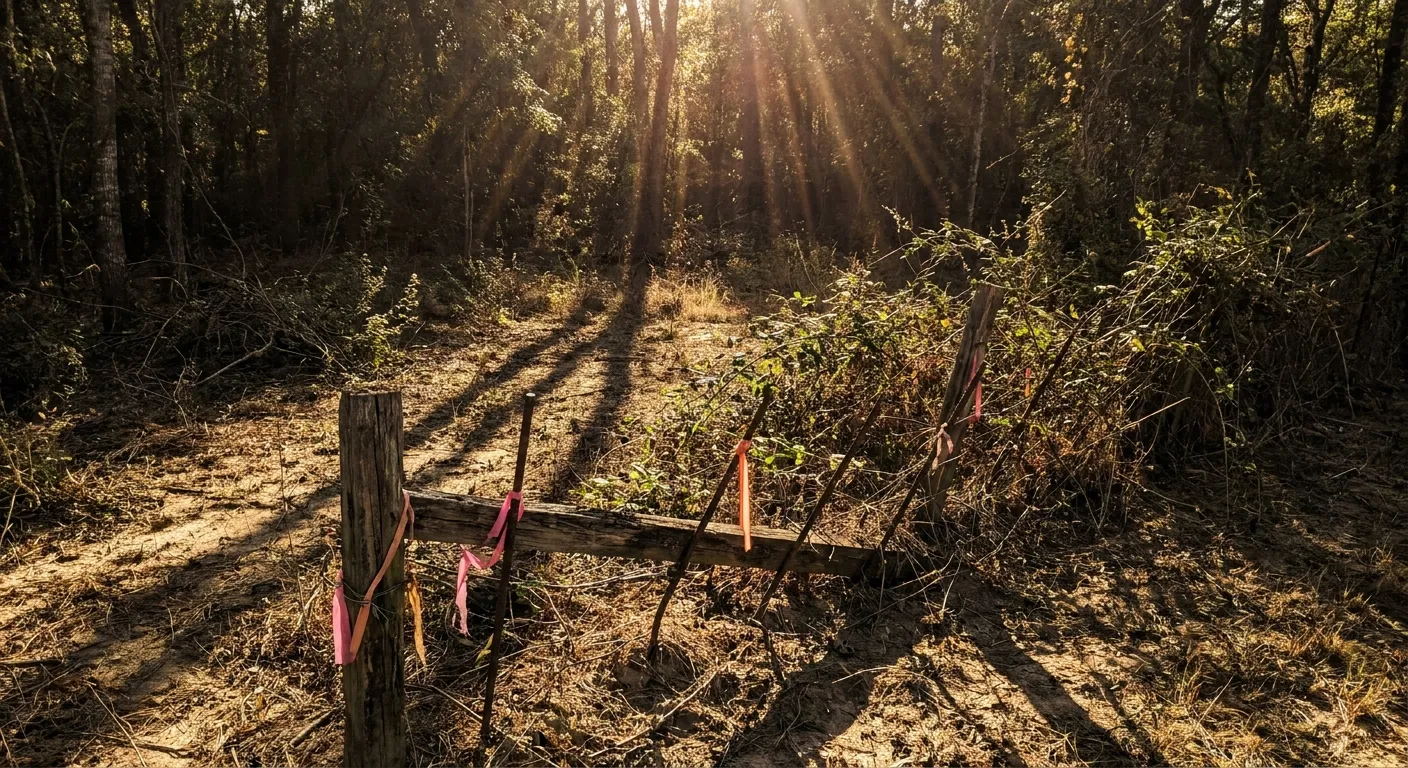
Selling private land is not just about finding a buyer. A missing deed, unclear access, old survey, zoning rule, or unpaid tax balance can slow the sale long after you thought the property was ready.
If you are learning how to sell private land, you may be dealing with a vacant lot, inherited acreage, rural property you no longer use, or land that has become expensive to maintain. You might know the property has value, but still feel unsure about the next move. Should you list it with an agent, handle the sale yourself, or speak with cash land buyers about a direct offer? Each option can work, but the right choice depends on your timeline, the condition of the property, and how much help you want during the process.
Selling land is different from selling a house. Buyers often have more questions about road access, legal easements, zoning regulations, utility availability, flood zones, and whether the land can be used for their plans. They will also want to review the property deed, tax records, land survey, and title history. Having clear answers early can build buyer trust, prevent surprises, and help you avoid delays during the land closing process.
Pricing is another important step. A fair land valuation is based on more than the number of acres. Nearby land sales, location, buildability, access, terrain, and local demand can all affect what buyers are willing to pay. Setting a price too high may leave your land sitting on the market, while pricing too low can mean giving up value you could have kept. Whether you plan to sell land by owner or use professional help, real market information gives you a stronger starting point.
This step-by-step guide explains how to prepare your property, gather the right documents, review restrictions, set an asking price, market the land, evaluate offers, and close with a title company. You will also learn about common issues that delay a private land sale and how to decide whether selling land without a realtor fits your situation. If a simple direct sale is a better match for your goals, Sekhem Capital Holdings can be a helpful resource for understanding your options. Let’s look at what matters most before you put your land on the market.
Understand What It Takes to Sell Private Land
Learning how to sell private land starts with understanding that land does not sell the same way a house does. A home buyer can see bedrooms, appliances, and finished spaces. A land buyer needs to picture what the property could become. That often means reviewing access, zoning, utilities, terrain, and whether the parcel is usable for the buyer’s plans.
Many landowners feel stuck before they even begin. They may not know if they need a real estate agent, a title company, or a direct land buyer. They may also wonder if their paperwork is ready. The good news is that a private sale is possible without hiring every type of professional. The right path depends on the property, your timeline, and how much of the process you want to manage yourself.
The main ways to sell land are:
Selling land by owner: You control the price, listing, buyer communication, and negotiations.
Working with a real estate agent: An agent can list and market the property, but commissions and timing should be considered.
Selling to cash land buyers: A direct cash sale may involve less marketing and fewer buyer financing concerns.
Before making an offer, serious buyers commonly ask about the property deed, road access, property taxes, survey information, and buildability. If you can answer these questions early, buyers are more likely to trust the listing and move forward with due diligence.
Getting clear on these basics makes it easier to gather the records that support your sale.
Gather the Right Documents Before You List
Organized records make the private land sale process smoother. Start by confirming that you have the legal right to sell the parcel. Review your property deed to make sure the owner names, parcel description, and county information are correct.
This step matters even more with inherited land. If a parent or family member left the property to several people, all owners may need to agree to the sale. Probate, multiple heirs, or an outdated deed can take time to sort out. It is better to identify those questions before you list the land than after you accept an offer.
Most buyers and a title company for land sale may request documents such as:
Property tax records showing current tax status
A copy of the property deed
Prior title information or title insurance, if available
A land survey or plat map
Parcel number, legal description, and county records
Any known easement or access documents
If you are asking, “What documents do I need to sell land by owner?” the exact list can vary by property and location. Still, these records give buyers a useful starting point and help them understand what they are considering.
Do not panic if you cannot find an old deed or land survey. Your county recorder, assessor, or clerk’s office may have deed records and property tax records. A title company can often research ownership history. If there is no recent survey, be honest about that fact rather than guessing where the boundaries are.
Once your ownership documents are organized, the next step is checking what the land can legally and practically be used for.
Check Zoning, Access, and Restrictions Early
Zoning regulations can strongly affect land value and buyer interest. Zoning may control whether a parcel can be used for a home, farming, recreation, commercial activity, or subdivision. A buyer looking for a homesite may lose interest if the parcel has limits that do not allow residential construction.
You do not need to interpret every rule yourself. You can contact the local planning or zoning office and ask basic questions about the parcel’s current zoning and permitted uses. If you are unsure, avoid describing land as “buildable” until the buyer confirms it through their own review.
Road access is another major issue. Buyers want to know how they can legally reach the property. Direct frontage on a public road is usually easier to understand than a parcel reached through another owner’s land.
Check whether the property has:
Direct public road access
A recorded easement
A private road agreement
A shared driveway arrangement
No legal access, sometimes called a landlocked parcel
Physical access and legal access are not always the same. A dirt path may lead to the land, but that does not prove a buyer has a legal right to use it. Being clear about access prevents confusion and supports buyer trust.
Other factors that may affect use and value include setbacks, flood zones, wetlands, utility access, deed restrictions, soil conditions, and the cost of bringing in power or water. These are all part of land due diligence. Addressing them early helps you set realistic expectations before deciding on a price.
Set a Fair Price for Your Land
Acreage alone does not determine land value. Two five-acre parcels can have very different prices because of location, terrain, access, zoning, utilities, and local demand.
To understand how to price land for a private sale, look for nearby sales of similar parcels. Compare properties with similar size, road access, permitted uses, and location. A buildable lot with utilities nearby may be worth more than a larger rural tract with steep terrain or uncertain access.
Consider how your land compares in these areas:
Distance to towns, highways, lakes, or job centers
Road frontage and ease of entry
Zoning and potential uses
Utility availability
Terrain, trees, drainage, and flood risk
Demand for rural land, lots, farms, or recreational property
Vacant lots, agricultural parcels, and rural recreational land often attract different buyers. For example, a buyer looking for hunting land may value timber and seclusion, while a future home builder may focus on road access, water, power, and zoning.
Pricing too high can cause a land listing to sit for months with little serious response. Pricing too low may leave money on the table. A fair asking price gives buyers a reason to investigate while giving you room to discuss terms. With a price range in mind, you can choose the selling method that best fits your situation.
Decide Whether to Sell Land by Owner, Use an Agent, or Take a Direct Offer
There is no single best option for every landowner. The right choice depends on how quickly you want to sell, how much effort you can put into the sale, and what matters most to you besides price.
Selling Land by Owner
Choosing to sell land by owner gives you more control. You decide how the property is presented, who you speak with, and which offer you accept. You may also avoid paying a listing commission.
However, selling land without a realtor means you handle calls, listing details, site visit questions, offer discussions, and follow-up. You will need to screen buyers and provide accurate information without overstating the property’s potential. This can work well for owners with organized records, time to communicate, and a clear plan.
Working With a Real Estate Agent
An agent may be helpful if your land is in a high-demand market or you want full-service listing support. A land-focused agent may already understand local comparable sales, buyer demand, and how to present the parcel.
The tradeoff is cost and control. Commissions reduce your proceeds, and some agents focus mainly on houses rather than vacant land. The sale may also take time if the property needs broad exposure to find the right buyer.
Selling to Cash Land Buyers
Cash land buyers can be a practical option for owners who want less hassle, fewer financing concerns, or a clean exit from unwanted property. A cash buyer may be especially useful for inherited land, remote acreage, or parcels that would take more work to market.
Sekhem Capital Holdings can be a helpful resource for landowners comparing a private sale with a direct cash offer. A direct offer may not always produce the same result as a longer traditional listing, but it can reduce the time and work involved in finding and managing buyers.
Compare each path based on speed, convenience, control, and possible sale price. After choosing your direction, prepare the property so buyers can assess it without unnecessary confusion.
Prepare the Property So Buyers Can Understand It Quickly
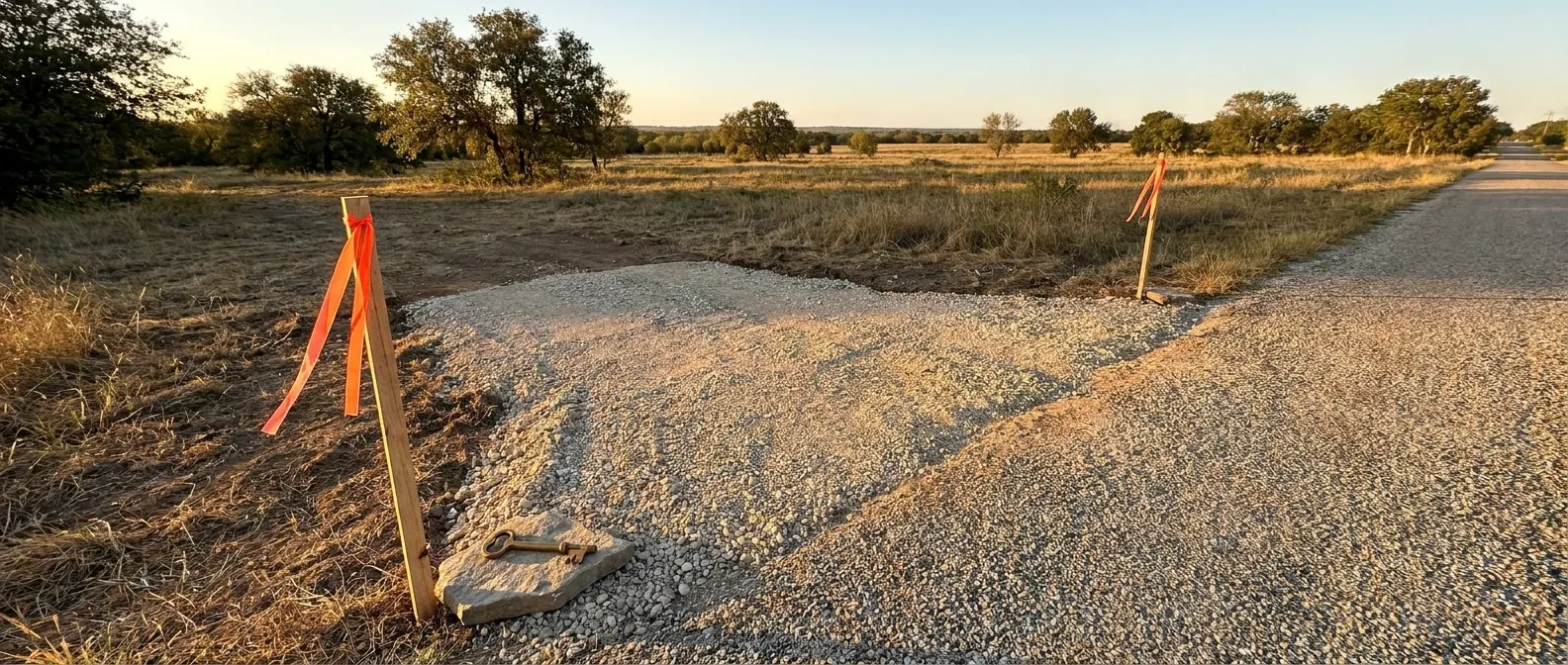
You do not need to make expensive improvements before selling vacant land. Still, basic cleanup can make a meaningful difference. Remove obvious trash, mow tall grass when practical, trim brush near the entrance, and make the property easier to view.
Simple preparation helps a buyer see the land rather than focus on obstacles. This is especially important when you sell rural land, where overgrown entry points or unclear roads can make a usable property seem harder to access than it really is.
Make boundaries and entry points easy to review when possible:
Mark known corners without claiming unverified boundaries
Clear a simple path from the road or entrance
Provide directions to the property
Identify gates, road names, and access points
Share a survey or map if you have one
Have basic property facts ready before buyers ask. This can include acreage, parcel number, zoning, annual taxes, known utility information, survey details, and road access. Clear facts reduce repeated questions and show that you are prepared.
With the land easy to understand in person, you can create a listing that reaches buyers who are likely to value its specific features.
Market the Land to the Right Type of Buyer
A strong land listing should be accurate, specific, and easy to scan. Buyers should quickly understand where the property is, how large it is, how it can be used, and how they can access it.
Include important details such as:
County, nearby town, and general location
Acreage and parcel number
Current zoning
Road frontage or access information
Utility availability, if known
Terrain, trees, water features, or improvements
Likely best uses, stated carefully
Good photos matter for land for sale by owner. Include pictures of the road entrance, internal paths, open areas, views, terrain, and nearby features. If the land is hard to find, a simple map image can help buyers understand its position.
You can reach buyers through online listings, local signs where permitted, word of mouth, and direct outreach to people who may have a reason to buy nearby. For example, an adjacent landowner may want more acreage, while a local farmer may be interested in usable fields.
Target the buyer type that fits the property. Recreational land may appeal to outdoor buyers. Agricultural land may attract farmers or neighboring owners. Residential lots may interest builders or people planning a future home. Rural land often needs more focused marketing than an urban lot because the buyer pool is different.
Once inquiries arrive, the next task is evaluating offers based on more than the number written at the top.
Review Offers and Negotiate the Terms
The highest offer is not always the strongest offer. A slightly lower offer from a qualified cash buyer with clear terms may be more reliable than a higher offer that depends on financing, a long inspection period, or several uncertain conditions.
Review the full offer, including:
Purchase price
Earnest money deposit
Closing date
Due diligence period
Financing or cash terms
Survey or inspection needs
Contingencies
Who pays closing costs
Earnest money shows that a buyer is serious, although the amount and handling of the deposit should be clearly stated in the land purchase agreement. Contingencies give a buyer time to review title, access, zoning, financing, or other property concerns.
Before accepting an offer, ask the buyer how they plan to complete their due diligence. Ask whether they need a new survey, how long title review may take, and whether they have a preferred title company. These questions help you understand the real closing timeline rather than relying on a vague promise.
Cash offers can reduce lender-related delays, but they still need title work and clear written terms. Financed offers may bring a higher price in some cases, but they can involve added approval steps. Once you agree on the terms, title work helps turn the agreement into a completed transfer.
Handle Title Work and Close the Sale
A title company for land sale helps both sides complete the transaction safely. The title company researches ownership, checks for liens or unpaid claims, prepares closing documents, holds funds when appropriate, and records the new deed after closing.
The land purchase agreement should clearly state the key terms of the transaction. At a minimum, it should address the purchase price, earnest money, contingencies, closing date, and each party’s responsibilities.
Clear terms reduce misunderstandings. For example, the agreement should state whether the buyer or seller pays specific closing costs, whether taxes will be prorated, and what happens if a title issue is discovered.
Common closing items may include:
Title search and title-related fees
Recording fees
Property taxes or tax prorations
Payoff amounts for liens, if applicable
Survey costs, if a new survey is required
Transfer-related fees required locally
On closing day, the parties sign the required documents, the buyer provides funds, and the deed is transferred and recorded according to local procedures. The exact process can vary, so use the title company’s instructions and review documents carefully. Even a well-planned sale can face problems, which is why it helps to recognize common delays early.
Know the Most Common Problems That Delay a Private Land Sale
Title issues are one of the most common reasons a private land sale slows down. A title search may reveal liens, unpaid taxes, old mortgages, judgment claims, or errors in past deed records. These issues do not always end a sale, but they usually need to be addressed before ownership can transfer cleanly.
Inherited land can create added questions. Probate may still be open, an heir may be missing, or several family members may need to sign. If ownership is unclear, start gathering information early rather than waiting until a buyer is ready to close.
Other common delays include:
An outdated or missing survey
Boundary disagreements
Unclear easements or road access
Landlocked property concerns
Zoning questions
Flood zone or wetlands findings
Unpaid property taxes
Buyer financing delays
The most helpful approach is to be open about what you know and what you do not know. Avoid making promises about access, utilities, or buildability that cannot be supported. Honest details allow buyers to complete land due diligence and make it easier to keep a deal moving.
Knowing these risks can also help you decide whether handling a private sale is the right fit for your circumstances.
Decide Whether Selling Private Land Is the Right Move for You
A private sale can make sense when you have time to communicate with buyers, organized records, and a clear idea of the property’s value. It can also be a good choice when you already know an interested buyer, such as a neighbor, family member, or local landowner.
Selling privately may be less appealing if the property has complex title questions, multiple heirs, difficult access, or if you simply do not want to manage listings, calls, negotiations, and site visits. In those situations, working with an agent or considering a direct sale may reduce stress.
A direct sale may fit owners who want fewer steps, less uncertainty, or a simpler path for inherited land, vacant lots, or rural property. If you want to discuss your options without committing to a particular path, you can contact Sekhem Capital Holdings to ask about your land sale options.
Whether you sell land by owner, work with an agent, or accept a direct offer, using these steps can help you organize the process, avoid common surprises, and move forward with greater confidence.
Conclusion
Selling private land takes a different kind of planning than selling a house. Buyers are not just looking at finished rooms or curb appeal. They are asking practical questions about access, zoning, utilities, terrain, title history, and what the parcel can actually be used for. When you understand those basics early, you can make smarter choices and avoid many of the problems that slow a sale down.
One of the biggest takeaways is that good preparation matters. Before you list the land or accept an offer, it helps to gather the deed, tax records, survey details, and any access documents you have. This is especially important for inherited land or property with more than one owner. If ownership is unclear, or if a title issue has been sitting unresolved, it can create stress later in the process. Getting those questions out in the open early gives buyers more confidence and helps the sale move in a cleaner way.
It is also important to look closely at what shapes land value. Size matters, but it is only one part of the picture. Road access, zoning, nearby utilities, terrain, and local demand can all change how a buyer sees the property. A smaller parcel with strong access and clear build potential may be more appealing than a larger tract that is hard to reach or limited by restrictions. That is why pricing should be based on real comparisons, not just acreage alone. A fair price gives buyers a reason to keep moving forward while helping you avoid a listing that sits for too long.
Another key point is that there is no single best way to sell. Some owners want the control that comes with selling land by owner. Others prefer the support of an agent. Some want a simpler path and may choose a direct sale to cash land buyers. Each option has tradeoffs in speed, effort, control, and possible sale price. The right choice depends on your property and your goals, not on a one-size-fits-all rule.
Clean records, honest details, and clear communication can make a private sale much easier. Buyers want to know what they are considering, and they usually respond better when the facts are easy to review. That means being upfront about access, taxes, easements, and any known limits. It also means being realistic about what the land can and cannot do. When you set clear expectations, you reduce confusion and build trust.
If you are still deciding how to move forward, the best next step is to compare your selling options against your timeline and comfort level. Whether you want to list privately, work with an agent, or explore a direct offer, the goal is the same: choose the path that fits your land and your situation. For owners who want a clearer, more direct conversation about their property, Sekhem Capital Holdings can be a helpful resource.
If you are figuring out how to sell private land, the process can feel confusing before you even start. Many owners are not sure whether they need a real estate agent, a title company, or a direct land buyer, and they may not know if their paperwork is ready. These key takeaways are here to clear up the first big questions and help you move forward with more confidence.
Start with the basics before you list: Confirm ownership, gather the deed, tax records, survey, and any title paperwork so you are not caught off guard later.
Price your land with real market data: Compare nearby sales, zoning, road access, and utility availability to set a fair asking price for a private land sale.
Check zoning and land restrictions early: Rules on use, access, setbacks, and buildability can change buyer interest and the final sale value.
Choose the selling path that fits your goals: You can sell land by owner, use an agent, or work with cash land buyers like Sekhem Capital Holdings if you want a simpler process.
Make the land easy to understand and view: Light cleanup, clear access, and basic signage can help buyers see the property’s value faster.
Know what buyers will ask for: Most buyers want clear answers on the deed, survey, taxes, access, and whether the land has any liens or title issues.
Expect the title company to handle the finish line: A title company for land sale can help with closing steps, document checks, and transfer of ownership.
Private sales can still be simple and achievable: The biggest challenge is often not the paperwork itself, but knowing where to begin, and the right guide can make the process feel much less overwhelming.
Once you understand the steps, selling private land becomes much easier to manage. In the sections ahead, you will see how to prepare your property, price it, market it, and close with less stress, whether you choose a traditional path or a direct sale with Sekhem Capital Holdings.
Ready to Explore a Simpler Land Sale?
If managing listings, buyer questions, and negotiations feels like more than you want to handle, a direct offer may be worth considering. Sekhem Capital Holdings helps landowners explore a straightforward path for vacant land, inherited property, and rural acreage.
No need to market the property on your own
Fewer buyer financing concerns to manage
A clear way to compare a direct offer with other selling options
Helpful guidance for properties with access, title, or ownership questions
Take the next step and contact Sekhem Capital Holdings to discuss your land sale options.

Frequently Asked Questions
Quick answers about how we help out.
How do I sell my land fast without hiring a realtor?
The fastest path is usually to have your ownership records, tax information, access details, and zoning status ready before you speak with buyers. You can then compare a private sale, selling directly to a land buying company, or listing on your own. A direct sale can reduce marketing work and buyer back-and-forth, but the right choice depends on your property and your timeline. If you want a simpler option, contact Sekhem Capital Holdings to discuss a direct land offer.
Is it better to sell land by owner or use a land buying company?
Selling by owner gives you more control and may help you avoid a listing commission, but it also means you handle pricing, calls, showings, negotiations, and closing coordination. A land buying company may be a better fit if you want less hassle, fewer steps, and a cleaner process for vacant, rural, or inherited land. The best choice depends on how much time you have and how prepared your records are. If you want to compare options, reach out to Sekhem Capital Holdings.
What documents do I need to sell land by owner?
Most buyers and title companies want the deed, property tax records, parcel information, and any survey or plat map you already have. It also helps to have access documents, easement records, and any title paperwork available. If the land was inherited or shared with others, you should also confirm who has legal authority to sell. Getting these items organized early helps reduce delays in the land closing process.
How do I price vacant land for a private sale?
Vacant land should be priced based on nearby comparable land sales and the features buyers care about most. Location, road access, zoning, utilities, terrain, title status, property taxes, and local demand all affect value. Acreage alone is not enough to set the price. A fair price helps attract serious buyers and keeps the sale moving, and Sekhem Capital Holdings can help you evaluate a direct offer if you want a simpler path.
Can I sell inherited land without going through probate first?
That depends on how the property was titled and whether ownership has already transferred legally. If the deed is still in the deceased owner’s name, probate or another legal transfer step may be needed before a sale can close. If multiple heirs are involved, everyone may need to agree before moving forward. Because inherited land can be complicated, it is best to review the title situation early and contact Sekhem Capital Holdings if you want to discuss a possible sale.