How to Sell Your Mobile Home Without Land in Florida: A Detailed Guide
Sekhem Capital Holdings
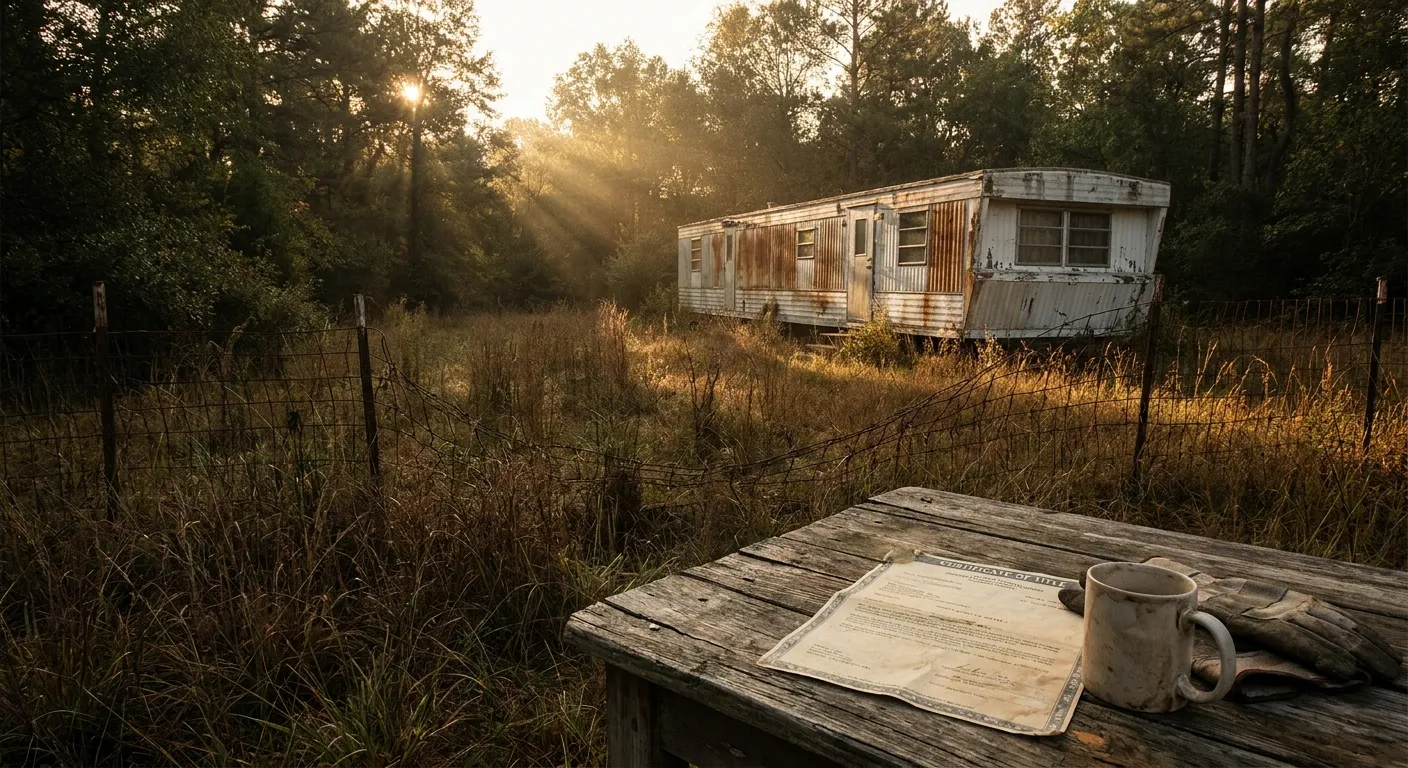
Selling a mobile home without land in Florida presents unique challenges that are different from traditional property sales. From understanding whether your mobile home is classified as personal or real property to navigating title transfers through the DMV, the process can feel overwhelming without the right guidance.
Many sellers face questions such as: What documents are required to close the sale? How do I handle liens or park approval processes? What are the best pricing strategies for a mobile home that isn’t tied to land? These questions are critical, as missing even one detail could delay your sale or reduce the final amount you walk away with.
Whether you’re looking to offload an unused mobile home, avoid the complexities of buyer financing, or fast-track your sale by working with trusted cash buyers like Sekhem Capital Holdings, understanding your options ensures you can avoid common pitfalls and secure a successful transaction.
Let’s explore the essential steps, legal considerations, and insider tips that will help you confidently approach selling your mobile home without land in Florida while making informed decisions every step of the way.
Understanding the Basics: Is Your Mobile Home Personal or Real Property?
When selling a mobile home without land in Florida, understanding how your property is classified is crucial. Mobile homes can either be considered personal property or real property depending on several factors. This distinction affects the sale process, the paperwork required, and even how buyers perceive the property's value.
In Florida, mobile homes are typically categorized as personal property unless they are permanently attached to a piece of land. If you own the home but not the land it sits on (such as in a mobile home park), it is almost always considered personal property. This is because the home is movable and not legally tied to the land. Homes that are tied to land through a permanent foundation and have a "retirement of title" completed may be classified as real property instead.
How to Determine Your Mobile Home’s Classification
To determine your mobile home’s classification:
Check your title or registration. If it is titled through the Florida Department of Highway Safety and Motor Vehicles (FLHSMV), it is personal property.
Look for a property record search in your county. Real property mobile homes are usually listed with the land parcel.
Verify if the home is permanently attached to land or not. In Florida, this involves specific site preparation requirements and may include a status change through the county property appraiser's office.
For more details about these legal nuances, consult legal considerations for mobile home sales in Florida.
Understanding the property classification helps you prepare the correct documents and avoid legal complications. Once this is clear, you can move forward with the selling process.
Preparing to Sell Your Mobile Home Without Land
Selling a mobile home without land requires careful preparation. Since the process is distinct from selling a home tied to land, having the right documents and ensuring compliance with state requirements is vital. Below are the steps you should take.
Essential Documents for a Mobile Home Sale
Prepare the following key documents before listing your mobile home:
Title or Registration: The title serves as proof of ownership and is required for the sale. Verify that your name is listed, and check for any liens.
Bill of Sale: This document outlines the purchase agreement between you and the buyer, specifying the price and terms.
Lien Release Documents: If there are any loans or liens on the property, you must have a lien release document to show the debt has been cleared.
Seller Disclosures: Disclose any known issues with the home (e.g., structural damage, plumbing problems) to avoid disputes or legal challenges.
Completing a title transfer process correctly is critical. Verify the title includes no errors or outdated information; this avoids unnecessary delays.
Verifying Liens and Preparing the Home
Confirming there are no liens on the mobile home is one of the most important steps. Buyers will likely conduct their due diligence, and failure to disclose existing liens could derail the sale.
In addition to paperwork, consider performing minor upgrades or cleaning to make your mobile home more appealing. However, if repairs seem overwhelming, selling the mobile home "as-is" is a practical option. Many sellers choose to sell to a cash buyer like Sekhem Capital Holdings, which eliminates the hassle of costly repairs or lengthy buyer negotiations.
Proper preparation ensures a smoother and faster sale process, so don’t skip these steps.
Navigating the Selling Process
Now that you have prepared your documents and ensured the home is in good condition, it's time to focus on the selling process. For mobile homes without land, specific procedures like DMV title transfers and park management approvals are required.
DMV Title Transfer Process
Transferring the mobile home's title is straightforward but must be done correctly to avoid complications. Here’s what to expect:
Locate your original title. If it’s lost, you can request a duplicate from the DMV.
Complete the back of the title form, which includes the sale price, the buyer’s information, and your signature.
Both the buyer and seller must visit the DMV office to finalize the transfer. Alternatively, a notary can be used to authenticate signatures if required.
Be transparent about any potential issues with the title, as delays can frustrate buyers.
Park Management Rules and Approvals
If your mobile home is in a park, you’ll need to work closely with park management. Many parks in Florida have specific rules regarding sales, including buyer approval. This step often involves:
Background checks or credit checks for the buyer.
Submission of an application for park residency.
Review the park approval process in depth to avoid surprises. Park management can sometimes slow the transaction, making it critical to get this started early.
Buyer Financing Limitations
Most buyers for mobile homes without land do not use traditional mortgages. Instead, they rely on alternative financing options or cash purchases. Note that lenders view unattached mobile homes as higher-risk assets, limiting financing availability.
If your buyer plans to seek financing, direct them to buyer financing options for guidance. However, selling to a cash buyer simplifies the process and allows for a quicker close.
Once these steps are handled, you’re ready to consider finalizing the transaction.
Finalizing the Sale: Closing, Moving, and Logistics
The closing phase of selling a mobile home without land includes several necessary steps to conclude the transaction smoothly.
Closing Procedure
Closing involves signing all final paperwork, such as the bill of sale and title transfer documents. Depending on Florida requirements:
Certain documents may need to be notarized.
You will turn over keys and any applicable warranties to the buyer.
Double-check that any remaining tax responsibilities (like unpaid property tax bills) are settled prior to closing.
Relocating the Mobile Home
In some cases, the buyer may need the mobile home moved immediately after the sale. Consider these points:
Inform the buyer of all transportation logistics.
Recommend professional mobile home moving companies to ensure safe delivery.
Discuss moving costs—typically, these are the buyer’s responsibility unless stated otherwise in your agreement.
Lastly, arrange for utility disconnection and any remaining cleanup to leave the property in good condition.
Comparing Your Selling Options
If you’re unsure whether to sell by owner or use another method, compare your options for selling a mobile home without land.
Selling on Your Own
Selling your mobile home independently gives you full control over pricing and negotiations. However, this approach can involve:
Significant time and effort.
The need for marketing the home to attract buyers.
Handling all title, lien, and disclosure tasks yourself.
While more profitable in some cases, selling by owner can be stressful and time-consuming if complications arise.
Selling As-Is to a Cash Buyer
Selling to a cash buyer like Sekhem Capital Holdings eliminates many of these challenges. Cash buyers handle much of the paperwork, offer fast closings, and buy properties as-is—saving you from repairs or buyer negotiations.
Evaluate your specific priorities to decide which path works best for you.
Avoiding Common Pitfalls When Selling a Mobile Home Without Land
To ensure a smooth sale, avoid these common mistakes:
Skipping lien checks: Neglecting lien verification leads to disputes and delays.
Underpricing the home: Research market trends or consult an experienced buyer like Sekhem Capital Holdings to set a competitive fair price.
Failing to disclose issues: Transparency builds buyer trust and reduces legal risks.
By staying organized and thoroughly prepared, you can sidestep most pitfalls and sell confidently.

Conclusion
Selling a mobile home without land in Florida may seem complex, but understanding the critical steps helps simplify the process. By determining whether your mobile home is classified as personal or real property, you ensure the right paperwork is prepared and avoid potential legal issues. This classification significantly impacts how you approach the sale, the documents required, and how buyers perceive your mobile home.
Thorough preparation is key to a hassle-free sale. From organizing essential documents like the title and bill of sale to verifying liens and addressing any necessary repairs or disclosures, these steps provide clarity and build buyer confidence. If your mobile home is located in a park, working with park management for buyer approvals and understanding their rules is equally important. This proactive approach minimizes delays and avoids complications during the transaction.
Choosing the right selling method also plays a major role in achieving your goals. Selling independently offers full control but requires significant effort and time. Selling "as-is" to a cash buyer, such as Sekhem Capital Holdings, offers a simpler, faster option. Cash buyers manage much of the paperwork, eliminate the need for repairs, and can often close quickly, making it an appealing choice for those seeking convenience and certainty.
Avoiding common pitfalls, such as neglecting lien checks, underpricing, or failing to disclose property issues, ensures you navigate the selling process with confidence. Transparency and diligence not only help you avoid disputes but also create a smoother experience for both you and the buyer.
In the end, your priorities will guide which selling path is best for you. Whether you handle the sale independently or work with a cash buyer, taking the time to prepare, educate yourself, and address potential challenges upfront ensures a successful outcome. If you’re ready to sell with ease, Sekhem Capital Holdings is a trusted option to explore for a confident and stress-free transaction.
Selling a mobile home without land in Florida comes with a unique set of challenges, especially when it comes to legal classifications, title transfer requirements, and buyer financing. Understanding these nuances is key to navigating the process smoothly and avoiding costly mistakes. These key takeaways will help clarify the crucial steps and decisions every mobile home seller should know.
Understand if your mobile home is personal or real property: This classification determines whether a DMV title or a deed is needed for the sale and impacts the entire transaction process.
Know the title transfer steps required for personal property: Most mobile homes without land are classified as personal property, meaning title transfers are handled through the DMV, similar to a vehicle sale.
Prepare necessary documents upfront: Ensure you have the mobile home title, a bill of sale, and any seller disclosures required by Florida law to streamline the process.
Disclose any liens on the mobile home: Buyers or title companies will require lien cancellation documentation before completing the transfer, so resolving liens early avoids delays.
Understand park approval requirements for buyers: If your home is in a mobile home park, the buyer may need approval from the park management before the sale can close.
Set a realistic price for your mobile home: Pricing should reflect the condition, age, and market demand in your area, especially since mobile homes without land typically sell for less than those on owned property.
Consider selling as-is to cash buyers: Selling to companies like Sekhem Capital Holdings can save time by avoiding repairs, buyer financing delays, and other common hurdles.
Plan ahead for moving or relocating the home: If the buyer intends to move the home, factor in additional costs and timelines for detachment, transportation, and setup at the new location.
Be aware of buyer financing challenges: Many buyers may struggle to find financing for older mobile homes that are not tied to land, so offering flexible payment options can help attract interest.
By addressing these critical factors, you can confidently manage the process of selling a mobile home without land in Florida. In the sections ahead, we’ll provide step-by-step guidance on preparing your home, completing the sale, and avoiding the most common pitfalls faced by sellers.
Ready to Sell Your Mobile Home Without the Hassle?
Selling a mobile home without land doesn’t have to be complicated. Whether you’re facing lien issues, buyer delays, or just want a simple process, Sekhem Capital Holdings can help. We specialize in buying mobile homes as-is, so you can skip the stress and move on quickly.
Sell "As-Is": Skip repairs, cleaning, and showings.
Fast and Simple Process: We handle the paperwork for you.
Transparent Offers: No hidden fees or surprises.
Trusted Buyer: Work with professionals who know the value of your mobile home.
Why wait? Contact Sekhem Capital Holdings today and get started on a smooth, straightforward sale!

Frequently Asked Questions
Quick answers about how we help out.
How do I sell my land fast for cash without using a realtor?
To sell your land quickly for cash without a realtor, start by gathering essential documents like the title and any surveys. Research the land's value based on location, access, and zoning. Contact reputable cash buyers who specialize in quick transactions. Make sure they provide transparent offers without hidden fees. For a seamless process, consider Sekhem Capital Holdings for assistance.
Can I sell inherited land in Florida without going through a realtor?
Yes, you can sell inherited land in Florida without a realtor, especially if the title is clear. Gather any probate documents if applicable and ensure no unpaid taxes or liens. Cash buyers can simplify the process by handling paperwork and closing details. Contact Sekhem Capital Holdings for guidance on selling inherited land.
What affects the value of vacant land—like utilities, access, zoning, or wetlands?
The value of vacant land depends on several factors, including location, utilities availability, road access, zoning regulations, and any environmental considerations like wetlands. Assess these elements to determine the potential value of your land. Consult with experts, such as Sekhem Capital Holdings, for a clear valuation.
Is it possible to sell land that has unpaid property taxes or liens?
Yes, it's possible to sell land with unpaid property taxes or liens, but these issues need to be resolved before closing. Buyers often require clear title, so addressing taxes and liens upfront ensures a smooth sale. Consider reaching out to cash buyers like Sekhem Capital Holdings for support in handling these matters.
Do cash land buyers handle closing costs, title work, and fees?
Reputable cash land buyers often cover closing costs, title work, and fees as part of their service. It's important to clarify these details with the buyer upfront. Contact companies like Sekhem Capital Holdings to understand how they manage these aspects during the buying process.