How to Successfully Sell Your Land to a Developer: A Comprehensive Guide
Sekhem Capital Holdings
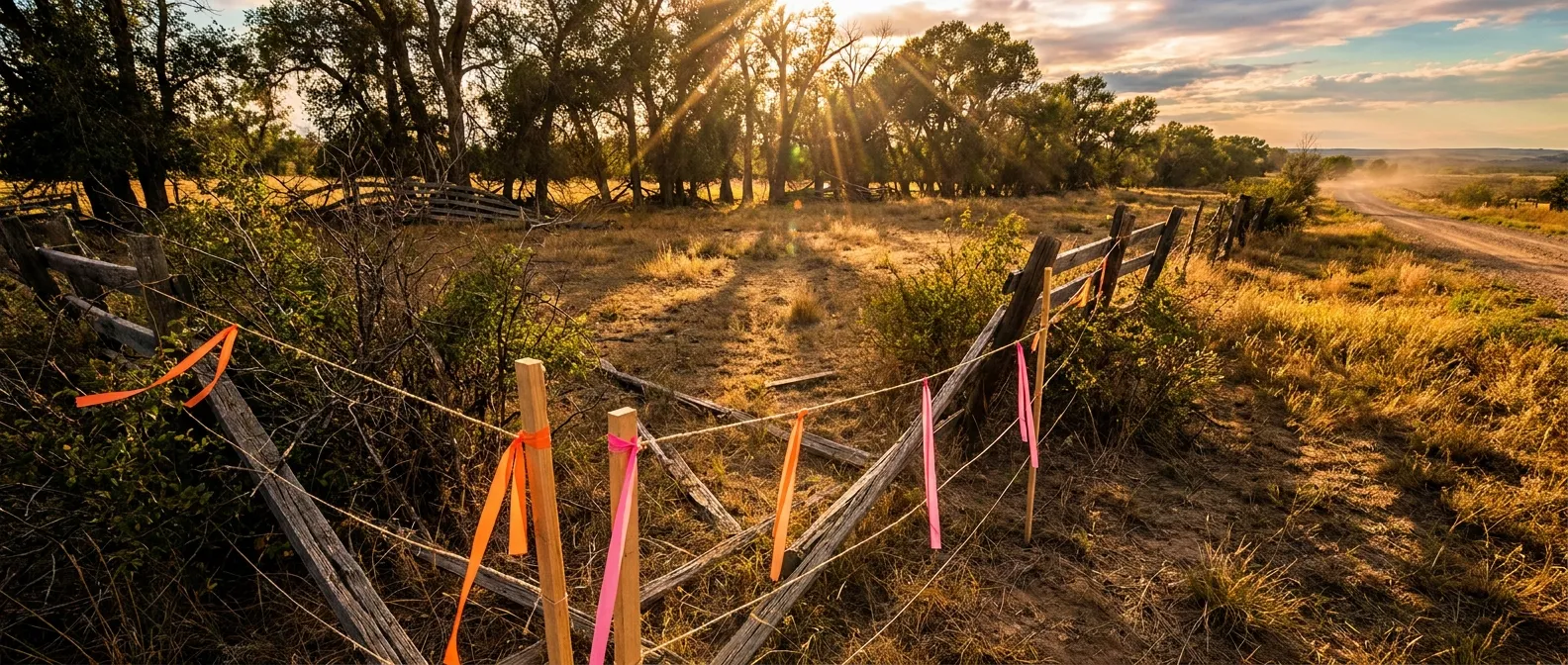
Selling land to a developer can be one of the most rewarding decisions a landowner makes, but it’s rarely a straightforward process. Developers are not just buying acreage—they’re investing in potential. This means they’ll scrutinize every detail, from zoning designations and infrastructure to market conditions and environmental factors. If you aren’t prepared, you could risk underselling your property, encountering delays, or missing out on a fair deal.
Whether you’re working with inherited property, vacant land, or rural acreage, knowing how to sell your land to a developer requires more than just putting it on the market. Developers often require extensive documentation, conduct feasibility studies, and push for long inspection periods to protect their investments. Without a clear strategy, navigating these complexities can feel overwhelming.
This guide walks you through the critical steps to attract developer interest, prepare your property, and protect your rights during the negotiation and closing process. From understanding development potential to preparing the necessary documentation, assessing fair value, and negotiating confidently, you’ll learn how to maximize your land’s value while avoiding common pitfalls.
If you’re ready to approach the selling process with confidence, stay with us as we explore everything you need to know. For landowners seeking an experienced resource, companies like Sekhem Capital Holdings can simplify the process, answer questions, and provide insight into what buyers like developers value most.
How to Sell Your Land to a Developer: A Comprehensive Guide
Overview of Selling Land to Developers
Selling land to a developer differs significantly from traditional land sales. Developers are interested in the land’s potential to support projects like housing subdivisions, commercial properties, or industrial sites. This means factors such as zoning laws, infrastructure suitability, and site feasibility play a crucial role.
Unlike selling to a private buyer, where aesthetic factors or sentimental value might hold importance, selling to a developer requires thorough preparation. A developer will evaluate whether the land aligns with their project’s goals and budget, which includes reviewing legal restrictions and projected costs for utilities and improvements.
Preparation is key to ensuring a smooth sale. Providing clear information about your land’s features and addressing potential issues in advance can streamline negotiations. If you’re ready to explore this route, Sekhem Capital Holdings can assist in navigating the sales process efficiently.
Understanding Development Potential
What Developers Look For
Developers prioritize specific features when evaluating land. They will investigate:
Zoning compatibility: Does your land’s zoning allow for their intended use? Residential, commercial, or mixed-use zoning influences what projects are permissible.
Accessibility: Road access and proximity to transportation networks, such as highways, can significantly increase interest and value.
Utilities and infrastructure: The availability of water, electricity, gas, and sewer lines is critical. Developers may also assess the cost of extending these services if unavailable.
Environmental factors: Developers consider soil conditions, flood zones, and potential environmental risks that could delay or block construction.
Market trends: Nearby growth, job creation, and community demand for housing or amenities will impact their perception of your land’s profitability.
Understanding these factors can give you a clearer picture of your land’s value to a developer.
How to Assess Your Land’s Development Potential
To gauge your property’s potential, start by reviewing your land’s zoning designations and allowed uses through local zoning maps or planning departments. This will clarify whether your parcel aligns with developers’ interests.
For deeper insights, consider commissioning a preliminary feasibility study. These studies analyze aspects like zoning build-outs, utility capacity, and profitability for potential developments. Consulting with local municipalities or planning consultants can also provide clarity.
For a more detailed guide, check out land development considerations to better understand how to evaluate your property’s potential.
Preparing Your Property for Developer Interest
Essential Property Documentation
Having the right documents ready before marketing your property can significantly reduce delays during the negotiation process. Developers may require:
Accurate boundary surveys and plats to verify property dimensions.
Zoning and land use maps to view the legal guidelines.
Recorded easements that might impact access or development.
A clear title history to confirm there are no ownership disputes or liens.
Previously approved permits, if applicable, to demonstrate compliance with regulations.
Organizing these documents in advance will ensure transparency and speed up the due diligence process. Learn more about preparing your property by visiting property preparation resources.
Marketing Land Specifically to Developers
A general property listing won’t attract the right buyers. To appeal to developers, listings should include details such as zoning, permitted uses, the availability of utilities, and access points.
High-quality aerial or drone images can provide developers with a clear understanding of the layout and surroundings. Working with an agent who specializes in development land can also help your property stand out. Additionally, listing your land on platforms geared toward commercial and industrial buyers may increase exposure.
For more tips on drawing interest, visit attracting buyers for land.
The Developer’s Due Diligence Process
What Happens During Due Diligence
The due diligence process is one of the most important phases of a land sale to a developer. During this period, developers conduct in-depth assessments such as:
Feasibility studies: These evaluate the site’s potential to support the planned project while staying within budget constraints.
Environmental assessments: Developers analyze risks like soil contamination, wetlands protections, or flooding to avoid legal or financial surprises.
Cost analyses: They’ll project the expense of site preparation, utility connections, and potential zoning changes.
This process ensures the developer isn’t taking on unexpected risks or expenses.
Protecting Yourself as the Seller
As a seller, it's important to set boundaries during due diligence. Negotiating clear deadlines ensures a developer doesn’t delay the sale indefinitely. Requesting earnest money or option fees can provide financial protection in exchange for granting the developer an exclusive timeframe to carry out their reviews.
You can safeguard your interests further by ensuring contingencies are well-defined in the agreement. Learn more about these protective measures on legal protections during land sales.
Negotiating Favorable Terms with a Developer
Setting the Right Price
Determining the price of your land requires careful research. Reviewing recent sales of comparable properties is a good starting point. Vacant land in similar locations with similar zoning designations and access will give you a reliable benchmark.
Keep in mind factors like future growth in the area and potential zoning upgrades that may make your land more attractive to a developer. For step-by-step guidance, see pricing strategies for vacant land.
Structuring the Deal and Common Terms
Negotiating a solid deal involves addressing key terms, including contingencies, closing dates, and development timelines. Discuss how earnest money will be handled—this deposit secures the contract but may be refundable depending on whether contingencies are met.
Developers may also request to shift certain closing costs to the seller. Negotiating these aspects upfront will clarify responsibilities and prevent misunderstandings. A real estate attorney can help you structure favorable terms. For more negotiation tips, visit negotiation tips for land sales.
Legal Considerations When Selling Land to a Developer
Key Clauses to Review in the Sales Agreement
Pay close attention to contingencies in the contract, such as rezoning approval, due diligence timelines, or financing terms. Inspection rights and any liability clauses should be clearly stated to protect you from unexpected disputes later.
A strong contract will limit developer rights to make significant changes outside agreed terms and ensure earnest money obligations are met.
Why Professional Legal Advice Matters
Real estate contracts for large transactions like these can be complex. Consulting with a real estate attorney ensures you aren’t agreeing to clauses that could place you at risk. Learn why seeking legal help is crucial by visiting legal selling tips.
Managing the Closing Process
Finalizing the Sale
The closing process includes tasks like:
Transferring the title and clearing any liens.
Coordinating escrow services to securely handle finances.
Preparing tax documentation and verifying any capital gains implications.
Prompt organization and proactive communication will make the closing faster and more seamless.
Ensuring a Smooth Closing Timeline
Delays in closing often occur when communication breaks down. Consistently check in with your buyer and professionals handling the sale to resolve issues quickly. Ensuring that all required documents are ready before deadlines is another way to avoid setbacks.
Benefits of Selling to the Right Buyer
Why Choose a Developer or Cash Buyer
Selling to a developer allows landowners to unlock their property’s full value through its development potential. Developers are often well-prepared to handle the complex legal and zoning requirements that come with large-scale projects.
Alternatively, selling to a reliable cash buyer like Sekhem Capital Holdings ensures a faster process. Cash sales reduce risks of financing delays, offering a simpler and more predictable closing experience.
When a Direct Sale Might Make Sense
Direct sales are often ideal for owners of vacant, rural, or inherited land, especially when a quick transaction is desired without extensive marketing or multiple buyer negotiations. Explore your options or contact Sekhem Capital Holdings to see how their services can meet your needs.

Conclusion
Selling land to a developer can be a rewarding process when approached with preparation and clarity. Developers focus on how well a property aligns with their project’s needs, considering factors like zoning, accessibility, utilities, and environmental suitability. By understanding these priorities, landowners can better position their property and highlight its potential.
Key steps include gathering necessary documentation, such as surveys, zoning maps, and title history, to ensure a smooth process. Additionally, marketing your land specifically toward developers and emphasizing development-friendly features can attract the right buyers. Taking time to review zoning designations, conducting feasibility studies, and consulting professionals can help you gauge your land’s true value to a developer.
Negotiating a favorable deal involves finding the right price and structuring terms that address contingencies, timelines, and responsibilities. Legal guidance is invaluable during this stage, protecting you from risks and ensuring contracts meet your best interests. Whether it’s through addressing due diligence boundaries or managing closing tasks, clear communication and organization are crucial to completing a successful transaction.
For landowners seeking a quicker, more direct route, selling to a reliable cash buyer like Sekhem Capital Holdings can provide simplicity and certainty. Developers and cash buyers alike can unlock the hidden potential of rural, vacant, or inherited property, offering a focused alternative to traditional land sales.
Ultimately, selling land to a developer is about aligning your goals with the buyer’s vision. By preparing thoroughly and working with experienced partners, you can maximize your property’s value and achieve a successful sale. If you’re ready to explore your options, consider contacting Sekhem Capital Holdings for guidance on the next steps.
Selling your land to a developer can be a lucrative opportunity, but it often involves complexities that landowners may not anticipate. From understanding what developers evaluate to protecting your interests during the due diligence period, the process requires thorough preparation and awareness. These key takeaways will help you navigate the process and secure a fair deal.
Understand your land’s development potential: Developers prioritize factors like zoning compatibility, infrastructure costs, access, utilities, and environmental restrictions before making an offer.
Prepare property documentation ahead of time: Surveys, title records, zoning designations, and existing permits are critical documents developers will need during due diligence.
Feasibility studies shape developer interest and offers: Developers may assess buildability, market viability, costs, and risks before finalizing a deal, impacting both price and timeline.
Protect yourself during the due diligence period: Developers often request long inspection contingencies and refundable earnest money, so set clear deadlines and include fees to ensure commitment.
Legal advice is essential before signing contracts: Engage a real estate attorney to review terms, such as contingencies, option fees, and closing timelines, to safeguard your interests.
Marketing land to developers requires a specific approach: Highlight development potential, zoning advantages, access, and nearby infrastructure to attract the right buyers.
Negotiating with developers requires strategy: Counteroffer with confidence by knowing fair market value, comparable land sales, and your property’s unique value drivers.
Timeline constraints matter to both parties: Be prepared for potential delays, as developers often need extended time for approvals and due diligence to mitigate risks.
Closing costs and final net proceeds should be clear: Understand who covers expenses like escrow fees, taxes, and survey updates to avoid surprises at closing.
Consider the advantages of selling to a trusted buyer: Working with experienced buyers like Sekhem Capital Holdings can simplify the process and provide certainty, especially if you want to sell quickly with fewer contingencies.
By focusing on these key points, you’ll be better positioned to secure a deal that maximizes your land’s value while protecting your rights during the sale. In the sections ahead, we’ll explain each step in detail, so you can confidently approach selling your land to a developer.
Ready to Sell Your Land to a Developer?
Selling your land to a developer can be a complex process, but it doesn’t have to be overwhelming. At Sekhem Capital Holdings, we specialize in making land sales simple, efficient, and rewarding for landowners like you. Whether you’re working with zoning challenges, preparing documentation, or evaluating offers, we’re here to help.
Skip the hassle of traditional listings and buyer negotiations.
Get a fair, no-obligation offer tailored to your land’s potential.
Close on your timeline without unnecessary delays.
Work with experts experienced in land transactions and development.
Don’t wait—turn your land’s potential into profit today. Get a land offer from Sekhem Capital Holdings now!

Frequently Asked Questions
Quick answers about how we help out.
How do I sell my land fast?
To sell your land quickly, focus on highlighting its development potential by ensuring zoning and infrastructure information is clear. Address any potential obstacles upfront and consider working with a specialized land buying company like Sekhem Capital Holdings for a streamlined process. For a quick sale, request a land offer.
Can I sell inherited land without going through a realtor?
Yes, selling inherited land without a realtor is possible. You can work directly with a land buying company that understands the nuances of inherited property sales. Companies like Sekhem Capital Holdings simplify the process, allowing for a direct transaction without complexities. Contact Sekhem Capital Holdings for assistance.
What documents do I need to sell land?
Essential documents include a clear title, boundary surveys, zoning maps, and any existing permits or easements. Having these ready helps expedite the transaction process. For more guidance, consult property preparation resources at Sekhem Capital Holdings.
Can I sell land with unpaid property taxes?
Yes, but unpaid property taxes can affect the sale. It's often beneficial to resolve any tax issues first or negotiate terms with the buyer to address the taxes at closing. An experienced land buying company can help navigate these complexities.
Are cash land buyers legit?
Many cash land buyers are legitimate and can offer quick, hassle-free transactions. Look for buyers who provide transparency, clear communication, and a straightforward process. It's wise to check their reputation and consult with them to understand their procedures before proceeding.