Land for Sale in Wyoming: Exploring Types, Prices, and Investment Opportunities
Sekhem Capital Holdings
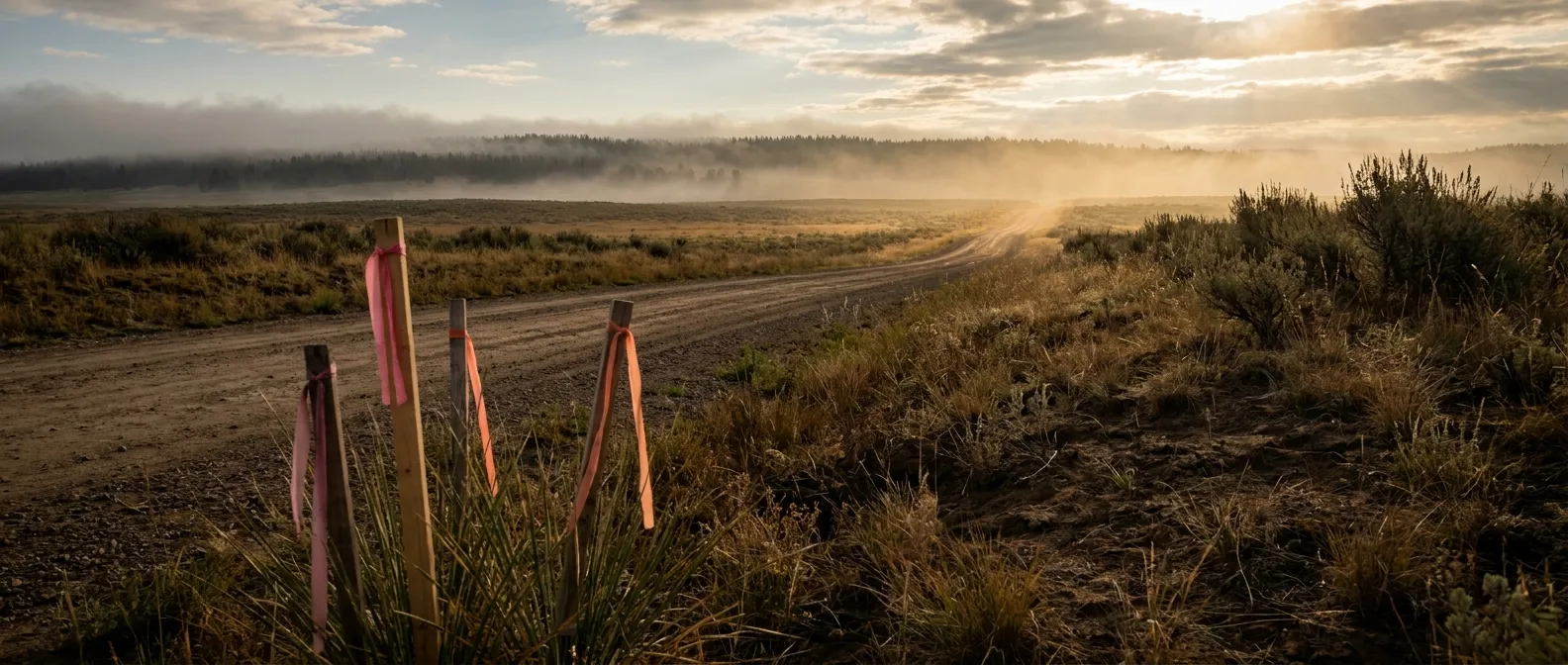
Buying land in Wyoming offers more than just acreage – it’s an opportunity to own a piece of the state’s breathtaking frontier. From sprawling ranches and rugged mountain plots to recreational properties near Yellowstone, Wyoming’s diverse landscapes cater to a variety of goals. Whether you're dreaming of off-grid living, starting an agricultural venture, or investing in a growing market, the possibilities here make Wyoming a land buyer’s paradise.
But purchasing land involves more than finding a perfect view. Factors like zoning regulations, water rights, property taxes, and development costs can significantly impact your investment. Choosing the right county, such as Sweetwater or Fremont, and understanding the unique features of Wyoming real estate can help you find land that fits your budget and long-term plans.
In this guide, you’ll explore the ins and outs of land for sale in Wyoming, from evaluating property value to maximizing investment potential. If you’re ready to navigate the Wyoming land market with confidence, let’s dive into the key insights that will set you up for success.
Exploring the Wyoming Land Market
Wyoming offers a unique and varied landscape that appeals to many types of land buyers. Known for its wide-open spaces, economic stability, and breathtaking natural beauty, this state is a top choice for ranchers, investors, and outdoor enthusiasts alike. Buyers can explore everything from fertile ranchlands to recreational properties near iconic landmarks like Yellowstone National Park and Grand Teton National Park.
The state’s abundant opportunities include:
Ranch land: Ideal for cattle grazing or agricultural production.
Recreational property: Perfect for hunting, fishing, or camping.
Vacant land: Suitable for development, off-grid living, or long-term investment.
Wyoming’s low population density and proximity to outdoor attractions make it a haven for adventure lovers and land investors. Whether you plan to establish a home, start a business, or hold the land for future appreciation, Wyoming provides a range of possibilities.
For those exploring land for sale in Wyoming, the first step is understanding the market and its benefits. Next, let’s talk about evaluating land value so you can make a confident purchase.
Evaluating Land Value in Wyoming
The value of land in Wyoming varies greatly depending on location, terrain, and intended use. Buyers should prioritize careful research to ensure they’re getting the best deal possible. On average, land near high-demand areas like Yellowstone or Jackson Hole is more expensive than rural acreage in counties like Sweetwater or Carbon. Let’s break down the key factors:
Geographic Influences
Land close to national parks, rivers, or popular outdoor destinations often commands a premium price. For example:
Hunting land: Parcels near wildlife areas such as Bridger-Teton National Forest are highly sought after.
Water access: Properties near rivers, streams, or lakes offer exceptional value for recreational use or homestead development.
Rural areas: Counties like Converse and Uinta often provide affordable Wyoming acreage for sale, ideal for buyers seeking privacy and solitude.
Price per Acre
The average price per acre depends on proximity to urban centers, access to utilities, and land type. Vacant land in rural areas can be as low as a few hundred dollars per acre, while prime ranchland or tourist-centric properties may cost thousands per acre. Comparing similar properties within each county is essential for identifying fair market value.
Important Considerations
Research comparable sales in the county or region.
Visit the property and assess its usability, terrain, and access.
Factor in costs like property taxes, water rights, and development potential.
Evaluating land effectively requires understanding local regulations, which brings us to zoning, taxes, and legal considerations.
Zoning, Taxes, and Legal Considerations
Zoning Restrictions
Wyoming’s zoning laws can vary significantly between counties. In some areas, there is no zoning, which might be appealing for buyers seeking flexibility. However, unzoned land could lead to unexpected developments nearby that may affect your property’s value or intended use. Research the county’s zoning regulations to ensure the land supports your goals, whether for residential, agricultural, or recreational purposes.
Questions to ask include:
Can this land be used for agricultural or grazing purposes?
Are there restrictions on building recreational facilities like cabins or campsites?
Could zoning laws impact the ability to subdivide the property in the future?
Low Property Taxes in Wyoming
Wyoming boasts some of the lowest property taxes in the United States, which makes it particularly attractive for landowners. For example:
Vacant land typically incurs minimal annual tax obligations.
Property owners planning long-term holdings or development projects can save significantly compared to other states.
Verifying Water Rights
Water rights are a critical aspect of buying land in Wyoming. If the property lacks available water sources or access, you may face significant challenges in developing or using it fully. During the due diligence phase, confirm the land’s water rights, assess nearby water sources, and determine whether you’ll need to drill a well.
By addressing zoning, taxes, and water rights early in the process, you can avoid legal complications and focus on the land’s development potential.
Development Considerations for Wyoming Land
Wyoming’s rugged and remote terrain offers incredible opportunities, but it also comes with challenges. Before purchasing property, consider the following development factors:
Accessibility and Infrastructure
Remote properties may lack convenient road access or utilities. Investigate whether the property has:
Existing or navigable roads leading to it.
Electricity and internet service, if needed for your plans.
Feasibility for off-grid living, including solar energy or septic systems.
Building Permits and Land Use
In Wyomimg’s sparsely populated areas, getting permits for construction can involve unique hurdles. Evaluate:
Restrictions on structural development in environmentally protected zones.
The cost and process of obtaining construction permits.
Opportunities for customizable use, including agricultural buildings or recreational cabins.
Understanding these challenges will prepare buyers for the unique aspects of developing Wyoming land. For recreational landowners, enjoying outdoor adventures might be the primary goal, which highlights Wyoming’s recreational potential.
Recreational Land and Outdoor Opportunities
Wyoming is a dream destination for those seeking adventure and natural beauty. Recreational properties are especially appealing to buyers who want to hunt, fish, hike, or camp.
Land for Hunting and Fishing
Properties near public wildlife areas or rivers provide excellent opportunities for hunting and fishing. Entire parcels of land can be tailored to:
Host hunting lodges or private campsites.
Offer fishing spots along rivers like the North Platte or Green Rivers.
Serve as private getaways for families and friends.
Proximity to National Parks
Owning land near Grand Teton or Yellowstone National Park can bring both personal and financial benefits. In addition to outdoor enjoyment, some property owners lease out recreational land as vacation rentals or campsites, turning their purchase into an income-generating asset.
Wyoming’s recreational appeal is a key factor in its rising land value and a major consideration for land investors, which we’ll discuss next.
Investment Opportunities in Wyoming Land
Buying land in Wyoming offers impressive investment potential due to the state’s low taxes, growing tourism industry, and steady demand for rural properties. Whether you’re considering land as a short-term lease opportunity or a long-term asset, keep these points in mind:
Profitable Land Options
Agricultural leases: Wyoming ranch lands are ideal for cattle grazing or crop production, which can provide steady income.
Tourism-related properties: Land near popular parks often attracts investors aiming to develop vacation rentals or campgrounds.
Expanding communities: Some counties near urban centers like Cheyenne or Casper show signs of growth, offering possibilities for resale gains.
Appreciation Potential
Wyoming’s unique combination of limited property taxes, abundant outdoor attractions, and property scarcity near tourism hotspots bolsters land value over time. Savvy buyers can monitor increasing market trends to identify opportunities for appreciation.
Moving forward, it’s important to know the process of closing a great land deal. Here’s a brief guide to help you.
Steps to Buy Land in Wyoming
The process of purchasing Wyoming land requires preparation and diligence. Follow these steps for a smooth transaction:
Determine your priorities: Define your preferred property type, location, and intended use.
Research available listings: Browse options like land for sale in Wyoming to compare opportunities.
Conduct due diligence: Verify water rights, zoning restrictions, and property history.
Make an offer: Negotiate with the seller and outline terms clearly in a purchase agreement.
Close the deal: Arrange for title insurance and finalize other closing costs.
For personalized guidance during this process, contact Sekhem Capital Holdings. Their expertise ensures buyers can confidently invest in Wyoming land while handling any challenges that arise.
Conclusion
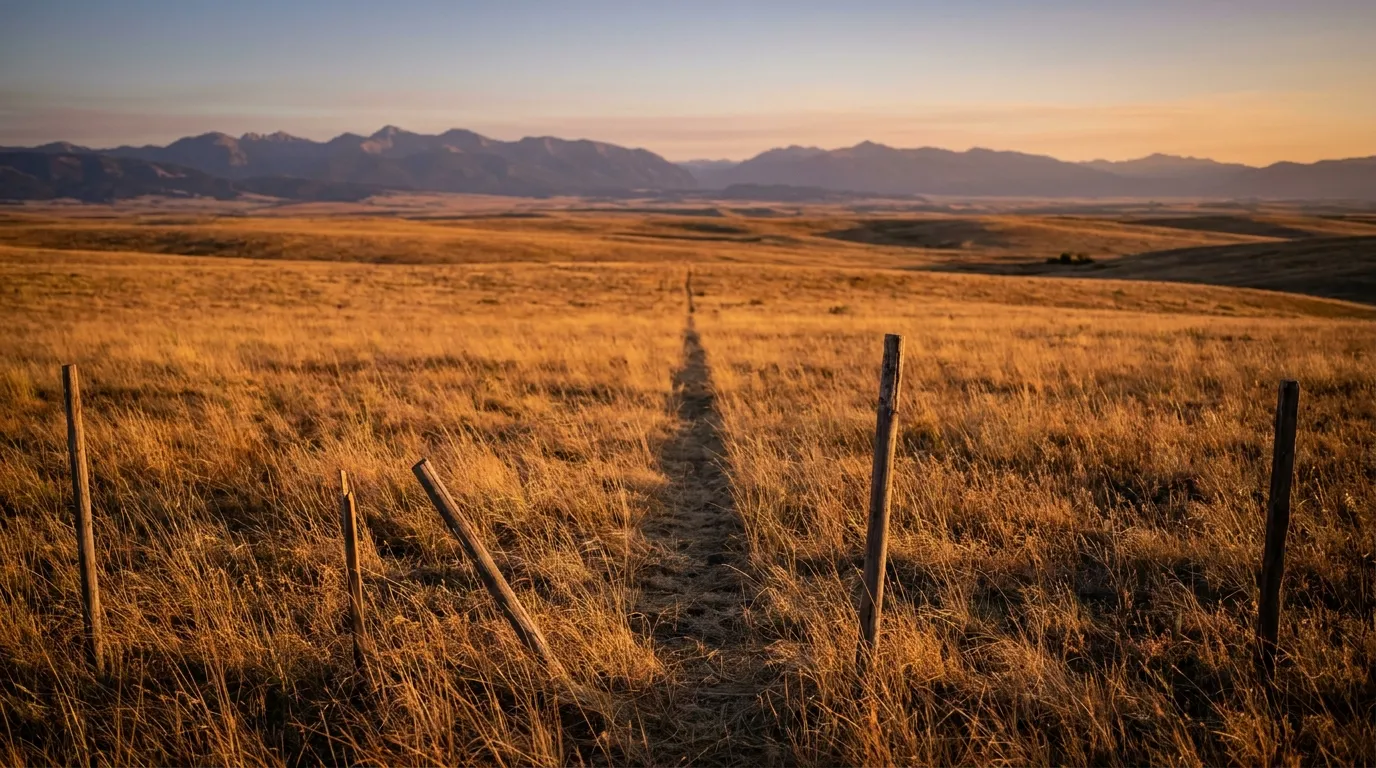
Wyoming’s land market offers unmatched opportunities for buyers seeking diverse landscapes, outdoor recreation, and long-term investments. From ranchlands and recreational properties to vacant parcels with development potential, the state’s appeal is rooted in its natural beauty, low taxes, and economic stability. Whether your goal is agricultural use, off-grid living, or enjoying Wyoming’s iconic attractions, this market has something for everyone.
Evaluating land value is crucial to finding the right property. Location, terrain, water access, and zoning regulations all play a role in determining fair market prices. Properties near national parks or wildlife areas, for example, often command premium value, while rural counties may offer more affordable options. With Wyoming’s low property taxes and potential for appreciation, buyers can find rewarding opportunities across different budgets.
Understanding legal considerations is equally vital. Zoning laws, water rights, and building permits can impact your ability to use the property the way you plan. By thoroughly researching local regulations and conducting due diligence, buyers can avoid unexpected surprises and make confident decisions about their investment.
For those drawn to outdoor recreation, Wyoming’s properties near national parks, rivers, and forests create the perfect setting for hunting, fishing, camping, or owning income-generating vacation rentals. These recreational advantages, combined with growing interest in rural land, make Wyoming a prime location for adventure seekers and forward-thinking investors alike.
The buying process in Wyoming can be simplified by following key steps: setting priorities, researching listings, verifying property details, and finalizing your purchase. Working with knowledgeable experts like Sekhem Capital Holdings can provide invaluable guidance, ensuring your transaction is smooth and well-informed.
Ultimately, the choice to invest in Wyoming land depends on your unique goals. Whether it’s to build a dream homestead, generate income, or secure a slice of nature’s beauty, Wyoming offers opportunities as vast as its landscapes. Explore land for sale in Wyoming today and take the first step toward owning land in this incredible state.
Buying land in Wyoming offers incredible opportunities thanks to the state’s diverse terrain, low taxes, and unique investment potential. Whether you’re considering ranching, outdoor recreation, or off-grid living, understanding the local market and considerations can help you make smarter decisions. These key takeaways will guide prospective buyers on evaluating value, knowing legal requirements, and exploring the best areas for land for sale in Wyoming.
Understand Wyoming’s diverse land options: From ranch land and recreational properties to rural acreage and mountain plots, Wyoming offers a variety of opportunities to suit your needs.
Evaluate land value in remote areas: Top factors include access to utilities, proximity to national parks like Yellowstone, and nearby amenities or infrastructure availability.
Know zoning regulations before buying: Zoning laws vary by county and can affect usage for residential, agricultural, or commercial purposes. Research restrictions to avoid future issues.
Take advantage of Wyoming’s low property taxes: Owning land in Wyoming comes with the benefit of some of the lowest property taxes in the U.S., making it an attractive long-term investment.
Investigate water rights carefully: Water rights are crucial for many Wyoming properties, particularly agricultural or ranching land. Confirm rights before finalizing a purchase.
Consider counties with affordable land prices: Sweetwater, Fremont, and certain rural parts of Sublette offer budget-friendly options for buyers seeking Wyoming acreage for sale.
Don’t overlook future investment potential: Rural land, especially near growing towns or recreation hubs, can increase in value as development expands or tourism rises.
Weigh development costs in rugged terrains: Building on mountainous or off-grid land may require higher upfront costs for road access, utilities, or excavation.
Explore land’s recreational opportunities: Wyoming is ideal for hunting, fishing, camping, or hiking, giving added value for buyers seeking outdoor experiences.
Research land close to national parks: Properties near Yellowstone or Grand Teton may offer premium locations for tourism or seasonal rental income opportunities.
Understanding these factors will help you make a confident and informed decision when exploring land for sale in Wyoming. In this guide, we’ll delve deeper into navigating the Wyoming land market, covering everything from unique terrain features to maximizing your investment potential.
Ready to Buy Land in Wyoming?
Wyoming’s vast landscapes and unique investment opportunities make it a perfect choice for land buyers. Whether you’re planning to build, invest, or enjoy recreational use, Sekhem Capital Holdings is here to help you find the ideal property that meets your needs.
Access expert guidance to navigate Wyoming’s land market confidently.
Explore diverse opportunities, from ranch land to recreational parcels.
Simplify the buying process with our personalized support and advice.
Invest with confidence knowing you’ve found the right property at the right price.
Start your journey today and contact Sekhem Capital Holdings for help securing your Wyoming land purchase!

Frequently Asked Questions
Quick answers about how we help out.
How much is my vacant land actually worth, and how is that determined?
The value of vacant land is determined by factors such as location, acreage, road access, zoning, utilities, title status, property taxes, demand, restrictions, and closing needs. It's advisable to consult a professional for a thorough evaluation tailored to your specific property.
Is it better to sell land through a realtor or to a land-buying company?
Choosing between a realtor and a land-buying company depends on your priorities. Realtors can provide market exposure and negotiation support, while land-buying companies offer speed and convenience with direct purchases. Evaluate your needs to decide the best route for your situation.
What affects the value of vacant land—zoning, utilities, access, or other factors?
The value of vacant land is influenced by zoning regulations, the availability of utilities, access roads, location, and market demand. Understanding these factors will help you price the land accurately and make informed decisions.
Can I sell inherited land without paying realtor commissions?
Yes, you can sell inherited land directly to a buyer or through a land-buying company, avoiding realtor commissions. This method can be efficient, but ensure you verify market values and legal obligations.
How do title issues impact selling land, and how can they be resolved?
Title issues can delay or complicate the sale of land. Resolving these involves conducting a thorough title search and addressing any liens or encumbrances. It's recommended to work with a title company or legal expert to ensure a clean title before selling.