Optimal Financing Options for Mobile Homes with Land
Sekhem Capital Holdings
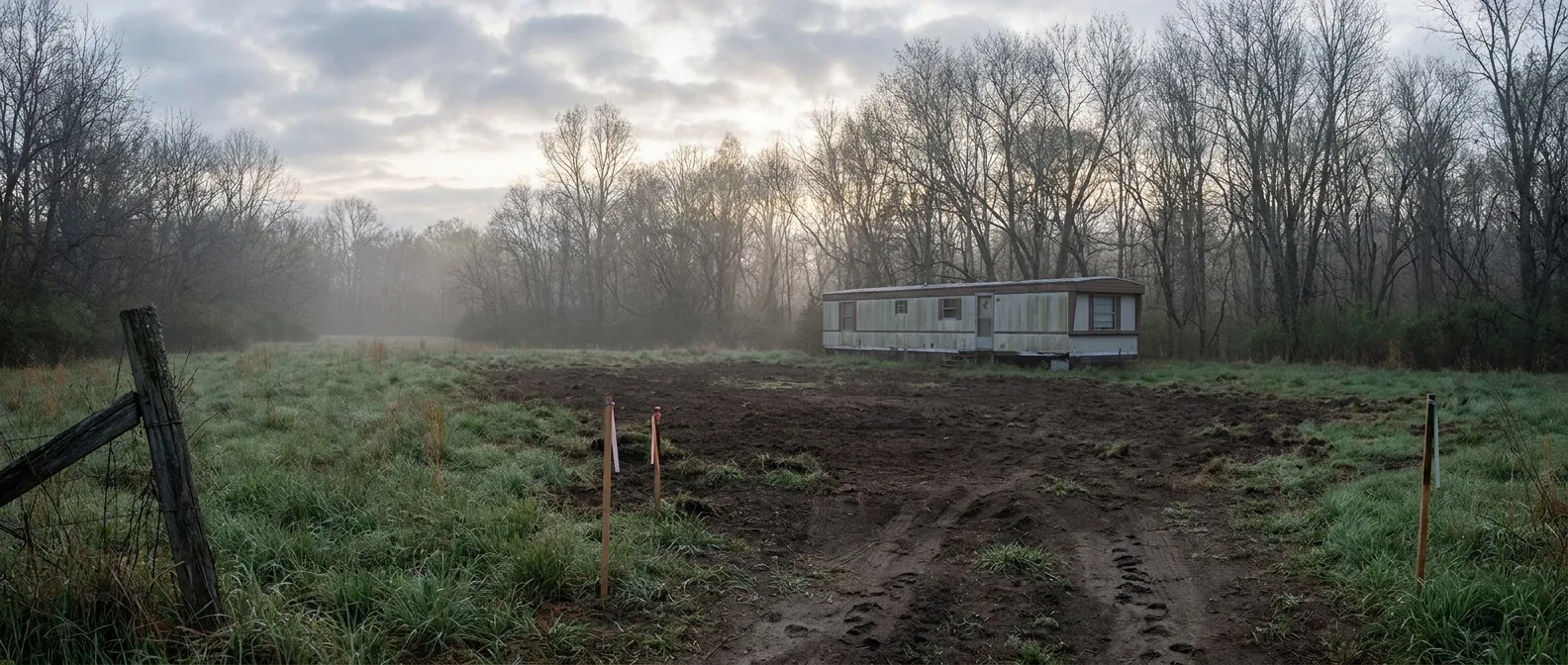
Buying a mobile home with land opens the door to property ownership, but navigating the financing process can feel like a maze. Unlike homes in parks or leased lots, mobile homes on private land offer unique opportunities—and unique challenges—when it comes to securing loans. From understanding the difference between chattel loans and traditional mortgages to learning how land value impacts your eligibility, knowing what lenders expect is crucial for making confident decisions.
For many buyers, the key question is how to find the best loan option for their situation. Whether you're looking at mobile homes with land for sale in rural areas or exploring government-backed programs like FHA or VA loans, the financing terms can vary widely depending on factors such as your credit score, the home's foundation, and the appraised value of the land. That’s why preparation matters. By understanding loan types, down payment requirements, and related costs upfront, you can avoid surprises and position yourself for success.
In this guide, we’ll break down financing options for manufactured homes on land, explain critical lender requirements, and outline ways to simplify the process. Whether you are purchasing your first mobile home, upgrading to a larger property, or considering rural land with a mobile home package, this article will help you explore financing solutions tailored to your needs. For personalized assistance or resources, be sure to contact Sekhem Capital Holdings today.
Understanding Mobile Home Financing for Land Ownership
Financing mobile homes with land differs significantly from financing mobile homes located in parks or leased spaces. When the land is included in the purchase, it changes the loan structure and expands financing options. Mobile homes combined with land are often considered more stable investments, which makes them more attractive to lenders. However, buyers must meet specific criteria to qualify for these loans.
Key differences between financing mobile homes with land and those without lie in how the property is classified. Mobile homes on private land can qualify as real property if permanently affixed to a foundation. This classification often opens the door to traditional mortgages and government-backed loans. On the other hand, mobile homes not attached to land or on leased lots are classified as personal property, limiting the financing options to chattel loans or specialized lender programs.
It’s essential to understand the types of loans available since combining land with a mobile home can influence eligibility and repayment structures.
Types of Mobile Home Land Ownership
The way land ownership is structured significantly impacts financing options for mobile homes. There are two primary types of land arrangements: owned land and leased land.
With owned land, buyers purchase both the mobile home and the land it sits on. Lenders prefer this setup, especially when the home is affixed to a permanent foundation. Classifying the home and land as real property increases stability in the eyes of lenders, making it easier to obtain a mortgage or government-backed loan.
In contrast, leased land—such as mobile home park lots—introduces complications. Financing for homes on leased land often requires a chattel loan, which has higher interest rates and shorter terms. Lenders see this option as riskier since borrowers do not own the land. If you are considering mobile homes on leased land, be prepared for additional scrutiny and fewer loan options.
For better financing terms, focus on purchasing mobile homes with land for sale, especially where the home meets local zoning requirements and is permanently affixed.
Types of Loans for Mobile Homes on Private Land
Conventional Mortgages for Mobile Homes with Land
Conventional mortgages are a common financing option for buyers of mobile homes with land. These loans typically require good credit scores—often 620 or higher—and down payments ranging from 5% to 20%, depending on the lender and terms. One critical requirement is that the mobile home must be on a permanent foundation and titled as real property.
When compared to other loan types, conventional mortgages often offer lower interest rates and longer repayment periods, making them appealing for buyers with strong financial profiles. Keep in mind that lenders will also evaluate the value of the land and the mobile home together when determining loan amounts and approvals.
Government-Backed Loans (FHA, VA, USDA)
Government-backed loans offer additional financing options for mobile homes with land:
FHA Loans: These loans are designed for buyers with lower credit scores and limited savings for a down payment. FHA loans often require as little as 3.5% down, but the mobile home must meet specific HUD compliance standards, including being affixed to a permanent foundation.
VA Loans: Available to eligible veterans, service members, and their families, VA loans offer unique advantages, including no down payment and lower interest rates. The property, including the mobile home and land, must meet VA appraisal requirements.
USDA Loans: Ideal for manufactured homes on rural land, USDA loans are specifically designed for properties in designated rural areas. They offer competitive interest rates and require no down payment, making them attractive to rural property buyers.
Each of these loans has its benefits, so understanding eligibility requirements can help you determine the best option for financing your mobile homes on private land.
Chattel Loans for Mobile Homes without Land
Chattel loans are specifically for mobile homes classified as personal property, often applying to homes on leased land or not permanently affixed to a foundation. These loans offer a degree of flexibility but come with higher interest rates and shorter repayment terms compared to traditional mortgages.
While chattel loans are not typically ideal for land-mobile home packages, they can be useful if you’re considering purchasing only the home or placing it on rented land. However, chattel loans may have higher monthly payments due to the shorter terms and increased rates.
Specialty Loans and Lender Programs
Some specialized lenders offer loans tailored to mobile home buyers needing flexible arrangements. These programs might focus on mobile home land packages, providing financing specifically designed for buyers wanting to purchase both the home and the land together. Working with specialized lenders can simplify the process, especially if you are new to buying manufactured homes on land.
Lender Requirements for Mobile Home Land Purchases
Credit Score, Financial Documents, and Titles
Lenders commonly require a credit score of at least 620 for most financing types, though government-backed loans like FHA may accept scores as low as 500. Other financial documents, such as tax returns, proof of income, and asset statements, help lenders evaluate your repayment ability. Ensuring all documentation is complete is a critical step in securing financing.
Additionally, the property’s title must be clear and the home classified as real property to qualify for most loans. Meeting zoning regulations and legal requirements for land use are also essential when pursuing financing options.
Foundation and Land Appraisal Requirements
A stable and permanent foundation often determines whether a mobile home qualifies for financing as real property. Lenders typically require an appraisal of both the land and the mobile home to verify value and ensure it aligns with state and local regulations. Properties on permanent foundations also tend to fetch better loan terms, including lower interest rates.
Additional Costs and Financial Considerations
Down Payment Expectations
Down payments typically range between 3.5% and 20%, depending on the loan type. Government-backed loans like FHA and USDA help reduce these costs for qualifying buyers, while conventional loans may have stricter requirements. Planning ahead by saving and understanding your loan terms can ease this financial burden.
Closing Costs and Additional Fees
Closing costs for mobile home land purchases generally include appraisal fees, title searches, property taxes, and inspection costs. Budgeting for these expenses upfront will help prevent surprises during the buying process. Expect total closing costs to range from 2% to 5% of the purchase price.
Interest Rates and Loan Terms
Interest rates vary across loan types. Conventional mortgages and government-backed loans typically offer lower rates compared to chattel loans. Comparing rates and understanding repayment terms is essential to choosing the best financing option.
Qualifying Tips and Preparing for Financing Approval
Credit Score Improvement
Improving your credit score is one of the most effective ways to secure better loan terms. Actions like paying down debt, disputing credit report errors, and avoiding new credit inquiries can boost your score and increase your chances of approval.
Property Research and Due Diligence
Researching land zoning, title history, and property value is crucial before committing to a mobile home and land purchase. Make sure utilities, road access, and HUD compliance are confirmed. These details can directly impact financing eligibility and property usability.
Choosing a Lender
Specialized lenders with expertise in mobile home land financing can help streamline your purchase. Working with professionals ensures you meet requirements and find the most suitable loan. To learn about tailored options, contact Sekhem Capital Holdings for knowledgeable assistance.
Comparing Loan Options and Making the Right Decision
Evaluating Loan Features
When comparing loans, focus on down payments, interest rates, and long-term costs. Use this information to choose an option that aligns with your budget and goals for owning mobile homes on private land.
Considering Chattel Loans
While chattel loans may work for homes without land, ensure you weigh the benefits against the higher costs. This option often suits buyers planning to relocate their mobile homes in the future.
Understanding the Benefits of Government-Backed Loans
FHA, VA, and USDA loans provide opportunities for buyers with limited savings or specific circumstances. These loans can make homeownership possible, especially in rural areas or for veterans.
FAQs
Can I get a mortgage for a mobile home with land? Yes, if the home is classified as real property and affixed to a permanent foundation.
What credit score do I need for mobile home land financing? Most lenders require a score of at least 620, though some government loans accept lower scores.
What documents are required for financing? Tax returns, proof of income, asset statements, and a clear title are typical requirements.
How Sekhem Capital Holdings Can Help
Custom Guidance for Mobile Home and Land Purchases
Sekhem Capital Holdings offers resources to simplify the process of finding and financing land mobile homes for sale. Their expertise ensures you have access to the best opportunities.
Expertise in Land Financing Options
Working with specialists is crucial when navigating mobile home financing. Reach out to Sekhem Capital Holdings for tailored advice and land purchasing support.
Conclusion
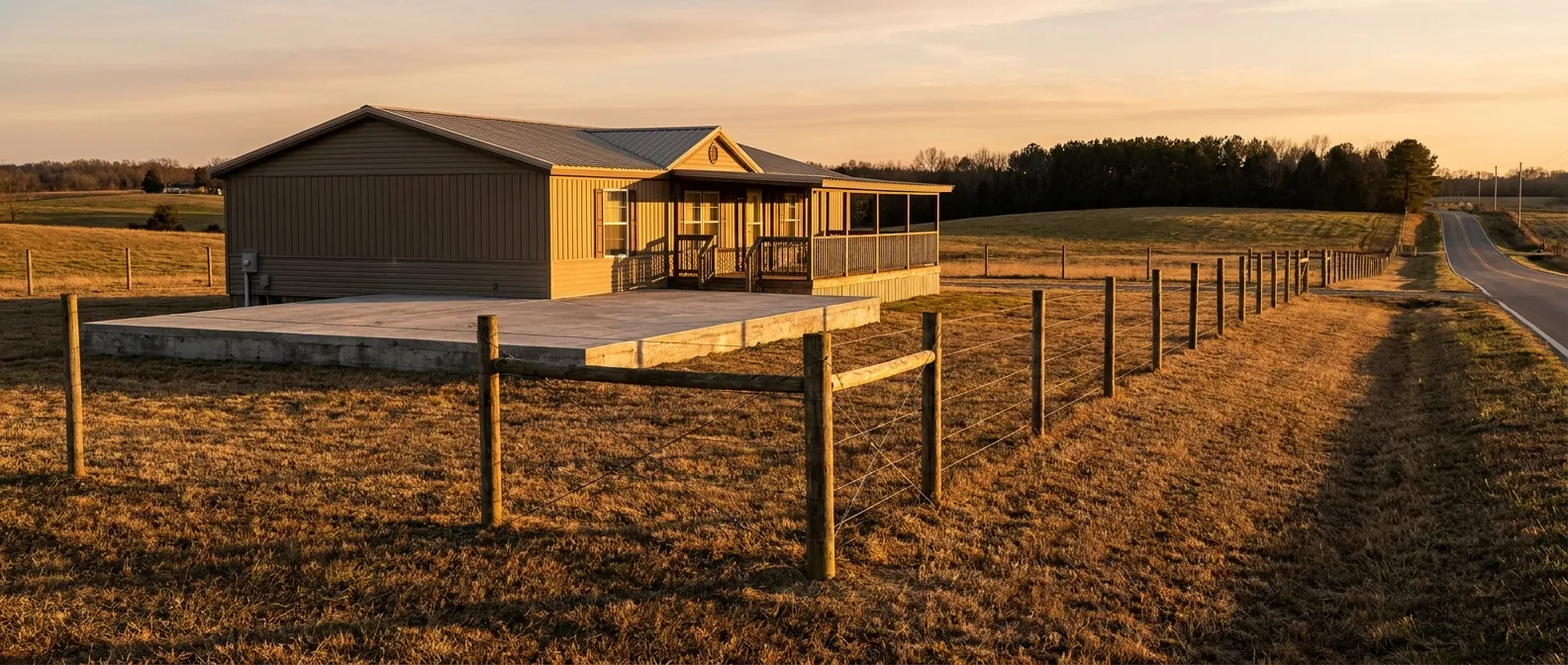
Securing financing for mobile homes with land opens the door to stable homeownership opportunities, but it requires understanding the unique factors involved. When the land is included, the property can often be classified as real property, expanding access to conventional mortgages and government-backed loans. Buyers seeking lower interest rates, longer repayment terms, or more favorable conditions should prioritize mobile homes permanently affixed to foundations on owned land. By contrast, financing for homes on leased land often comes with higher costs and stricter limitations, making owned land a more attractive long-term option.
The type of loan you choose will have a significant impact on your financing terms. Conventional mortgages are ideal for buyers with strong credit and savings, while government-backed loans like FHA, VA, and USDA provide options for buyers with limited resources or specific needs. Each loan type offers distinct benefits, so understanding the requirements—such as credit scores, foundation standards, and property classification—is critical for approval.
Preparation is the foundation of a successful purchase. Improving your credit score, saving for a down payment, and budgeting for closing costs can strengthen your financial position. At the same time, completing due diligence on the land’s zoning, title history, and compliance ensures the property meets financing requirements. These steps help avoid potential delays or unexpected costs down the road.
Navigating mobile home land financing can seem complex, but the right lender can simplify the process. Specialized lenders familiar with mobile home and land purchases can guide you through eligibility criteria, documentation, and tailored loan options. If you’re ready to explore your options, working with knowledgeable professionals like Sekhem Capital Holdings can provide the expertise you need to make informed decisions.
Ultimately, the right financing choice depends on your unique goals and financial situation. Whether you prioritize low interest rates, minimal down payment requirements, or long-term affordability, taking the time to evaluate loan options will help you get the best value. With preparation, research, and expert guidance, buying a mobile home with land can become a secure and rewarding investment. For reliable support and customized advice, turn to Sekhem Capital Holdings as a trusted resource in your journey.
Buying a mobile home with land can be an exciting opportunity, but financing these purchases comes with unique complexities. Many buyers may not realize that loans for mobile homes on land differ significantly from those for homes in parks. To help navigate this process, these takeaways break down key financing considerations, loan options, and what lenders look for to help you make confident decisions.
Understand the difference between land ownership and leased land financing: Mobile homes on owned land typically qualify for more traditional financing options, while those in parks often require chattel loans with different terms.
Credit score requirements can vary significantly: For conventional or government-backed loans, buyers generally need good to excellent credit, whereas chattel loans may accept lower scores but come with higher interest rates.
Your down payment plays a vital role: Depending on the type of loan, down payments for mobile homes on land can range from 3.5% (FHA loans) to 20% or more for conventional financing.
Explore government-backed loans designed for mobile homes: FHA, VA, and USDA loans may offer lower down payments and competitive rates for eligible buyers of manufactured homes on land.
Land value directly affects loan eligibility: The land’s appraised value impacts financing approval, as lenders often see the land as part of the property’s overall worth.
Zoning and title requirements can cause delays: Make sure the mobile home is classified as real property (not personal property) and complies with local zoning laws before seeking financing.
Chattel loans may work for homes without permanent foundations: If the home is not affixed to the land, chattel loans can provide financing for just the structure, but often come with higher interest rates.
Pay attention to closing costs: Buyers should budget for appraisal fees, property taxes, loan origination fees, and title search expenses when financing a mobile home with land.
Not all lenders finance mobile homes on land: Research specialized lenders or consult resources like Sekhem Capital Holdings to find financing options tailored to your situation.
Understanding loan documentation is essential: Be prepared to provide proof of ownership, title paperwork, and proof the home complies with HUD guidelines to secure financing.
Financing a mobile home with land doesn’t have to feel overwhelming. By understanding your options and preparing for lender requirements, you can simplify the process and move closer to your dream of property ownership. In the sections ahead, we’ll explore each financing route in more detail and help you choose the best fit for your needs.
Ready to Buy Land for Your Mobile Home?
If you’re exploring options for financing a mobile home with land, finding the right property is critical. Sekhem Capital Holdings can help you navigate the process with ease, whether you’re searching for rural opportunities or need land that meets zoning and foundation requirements.
We make the process simple and stress-free:
Access carefully selected land ideal for mobile homes.
Get guidance through complex financing and zoning details.
Work with a team that understands mobile home land packages.
Save time by focusing only on quality listings matched to your needs.
Take the next step toward owning your mobile home with land. Contact Sekhem Capital Holdings today and let us help you get started!

Frequently Asked Questions
Quick answers about how we help out.
How do I sell my land fast?
To sell your land quickly, focus on enhancing its appeal by ensuring proper zoning and clear titles. Promote it through targeted platforms and consider working with a specialized land buying company that understands your market. For assistance, contact Sekhem Capital Holdings for guidance tailored to your needs.
Who buys vacant land for cash?
Vacant land buyers typically include real estate investors, developers, and specialized land buying companies. These buyers are often interested in quick, straightforward transactions. Look for buyers with a solid reputation and clear communication. Sekhem Capital Holdings can help you understand how to attract the right cash buyers.
Can I sell inherited land without going through a realtor?
Yes, you can sell inherited land without a realtor. Focus on having all necessary documentation in order, such as a clear title and any probate requirements. Selling directly to a land buying company can facilitate a faster sale. Sekhem Capital Holdings offers services to simplify this process for you.
What are closing costs and timelines when selling land for cash?
Closing costs and timelines can vary based on factors like location, title status, and buyer needs. Common costs include title transfer fees and legal documentation. Cash sales typically close faster, sometimes within weeks. Contact Sekhem Capital Holdings to explore precise timelines and personalized assistance.
Is it better to sell land with a realtor or to a land buying company?
Selling through a realtor might provide access to a broader market, but it often involves longer timelines and commission fees. A land buying company offers quicker sales with potentially lower costs. The best choice depends on your priorities and timeline. Consult with Sekhem Capital Holdings to determine the best approach for your situation.