The Best States to Buy Affordable Land for Mobile Homes
Sekhem Capital Holdings

Looking to buy affordable land for a mobile home? The right location can make all the difference. From state zoning regulations to property taxes and weather conditions, factors beyond the listing price can significantly affect your long-term satisfaction. Some areas are more mobile-home friendly, offering flexible zoning, low land prices, and fewer restrictions, while others present costly challenges that could leave you second-guessing your decision.
If you are searching for land for mobile homes for sale, understanding what makes a state ideal is crucial. Whether you’re drawn to the low property taxes of Tennessee, the affordable acreage in Arkansas, or the mild climates of Florida and Texas, choosing the right state is key to avoiding unexpected expenses and roadblocks. Planning for zoning requirements, financing options, and ongoing property maintenance can also help you secure a spot that meets your needs without breaking the bank.
This guide highlights the best states to buy land for mobile homes based on affordability, homeowner-friendly regulations, and other important considerations like weather and tax savings. Let’s explore the options so you can make an informed decision and find the perfect place to call home.
Why Choosing the Right State for Mobile Homes Matters
Purchasing land for a mobile home can offer freedom and affordability, but it also comes with unique considerations. Factors like zoning laws, property taxes, affordability, and climate all play a critical role in the decision-making process.
Zoning laws, for instance, dictate whether mobile homes are even allowed on a particular plot of land. Certain states have more lenient regulations, making it easier for buyers to set up their homes without facing legal restrictions. Property taxes can also vary drastically by state, impacting long-term affordability. For those on a fixed budget, low taxes are crucial for managing housing costs over the years.
The cost of land itself is another major factor. Some states are known for affordable land prices, which allows buyers to stretch their budgets. However, cost is not the only factor to consider. Weather conditions, like the risk of hurricanes or extreme heat, can also affect the livability of a mobile home. Moreover, buyers need to think about financing opportunities, utility setups, and infrastructure in the area they choose.
By selecting the right state, mobile home buyers can reduce regulatory headaches, keep costs manageable, and enjoy a better living experience. Each state offers different advantages for those looking for land for mobile homes for sale, and it’s important to weigh these options carefully.
Top States to Buy Affordable Land for Mobile Homes
Arkansas
Arkansas is often regarded as one of the best states for affordable land purchases. With a low cost per acre, it’s an excellent choice for budget-conscious buyers. Additionally, the state has relatively relaxed zoning regulations when it comes to mobile homes, especially in rural and suburban areas. Property taxes in Arkansas are also among the lowest in the country, which helps make long-term ownership more manageable.
Mississippi
Mississippi offers some of the most affordable land prices in the United States. This state not only has low property taxes, but it also provides ample rural and semi-rural land ideal for manufactured or mobile homes. For individuals seeking independence from mobile home parks, private land is plentiful. Mississippi's mild climate also makes it a comfortable place for year-round living in a mobile home.
Texas
Texas stands out for its variety of options for mobile homes with land for sale. Many rural counties in Texas have minimal zoning restrictions, making it one of the easiest places to set up a mobile home legally. Furthermore, the state has a robust economy and diverse terrain, catering to many preferences and lifestyles. While land prices vary depending on the region, the expansive land availability generally keeps costs reasonable.
Arizona
Arizona’s dry climate is particularly well-suited for mobile homes. The state has several counties that offer flexible zoning rules, making it easier for manufactured home buyers to find buildable plots. Arizona also provides unique opportunities for off-grid living, thanks to its abundant sunshine and the potential to install solar energy systems.
Florida
Florida attracts many retirees and snowbirds looking for mobile home land packages. Its warm climate is one of the main draws, but the state also offers a mix of affordable land prices and reasonably low property taxes in some regions. Counties like Polk and Highlands are especially welcoming to mobile home setups, with fewer zoning restrictions compared to urban areas.
Tennessee
Tennessee's combination of low property taxes, affordable acreage, and breathtaking scenery make it a prime choice for mobile home buyers. The state has a reputation for being mobile-home-friendly, with many rural areas designed to accommodate manufactured housing. Its moderate climate also minimizes weather-related risks like extreme heat or hurricanes.
Colorado
Colorado has options for buyers seeking financing for both land and mobile homes. Certain rural regions of the state offer affordable land paired with flexible financing programs, which can simplify the purchasing process. Buyers can enjoy Colorado’s natural beauty while taking advantage of favorable terms for setup and ownership.
Georgia
Georgia strikes a balance between affordability and accessibility. With manufactured homes with land becoming increasingly popular in the state, many counties have eased zoning restrictions to accommodate the demand. Georgia also offers competitive financing options for land and mobile home combinations, especially for buyers looking to settle closer to suburban areas.
Each of these states provides unique selling points, from affordability to favorable regulations. For personalized support in finding the right plot, Sekhem Capital Holdings can help buyers explore their options.
How to Evaluate Land for Mobile Home Placement
When evaluating land for a mobile home, buyers face several important decisions and considerations. The choice between private land and leasing in a mobile home park is one of the first decisions to make.
Private Land vs. Mobile Home Parks
Private Land: Owning private land provides long-term control and independence. Buyers can customize their property and avoid ongoing lot rental fees. However, private land requires due diligence, such as checking zoning laws and ensuring proper infrastructure is in place.
Mobile Home Parks: Parks often come with ready-to-use utilities and easier maintenance. They remove some of the complications of setting up utilities but may have monthly fees and stricter community rules.
Key Factors to Assess
Zoning Laws: Regulations can make or break a piece of land’s suitability for a mobile home. Buyers should confirm local zoning ordinances to ensure mobile homes are allowed.
Road Access: Land must have reliable access roads that are wide and sturdy enough for bringing in manufactured homes. Without proper access, transportation and setup costs could skyrocket.
Utilities: Check the availability of water, electricity, and septic systems. Installing utilities on raw land can significantly raise setup costs, so this should be factored into the budget.
Conducting Due Diligence
Title Research: Verify that the seller has clear ownership and there are no liens or legal disputes.
Easement Checks: Make sure there are no restrictions preventing you from fully utilizing the land.
Utility Availability: Consult utility companies to confirm connection possibilities and pricing.
Taking these steps ensures that buyers can avoid costly surprises and ensure their land is ready for safe and comfortable mobile home living.
Practical Tips for Finding and Purchasing Land for Mobile Homes
Work with Trusted Experts
Navigating the land-buying process can be overwhelming without the right support. Partnering with experienced professionals, like Sekhem Capital Holdings, can simplify the process. They can help buyers locate suitable land for manufactured homes and address any specific challenges during the purchase process.
Budget Preparation
Proper financial planning is key when buying land for mobile homes. In addition to the purchase price, buyers should account for:
Utility hookups (e.g., water, electricity, and septic systems)
Permitting fees
Property taxes and insurance
Transportation and setup costs for the mobile home
Negotiating and Financing
Negotiating fair terms with sellers is crucial, especially when buying raw land. Buyers should also explore financing options, including loans that cover both land and mobile home purchases. States like Georgia and Colorado offer programs to streamline this combination.
Smooth Closing Process
Be prepared for common issues during closing, such as title disputes or inspection delays. Working with an experienced team, like the experts at Sekhem Capital Holdings, can help ensure a seamless closing process. They can guide buyers through contract reviews, closing costs, and necessary paperwork.
By following these practical tips, buyers can confidently move forward with their plans to purchase land and set up their mobile homes.
Through careful planning and research, buyers can make informed decisions and choose the perfect location for their mobile home. For more resources and guidance, visit the Sekhem Capital Holdings blog.
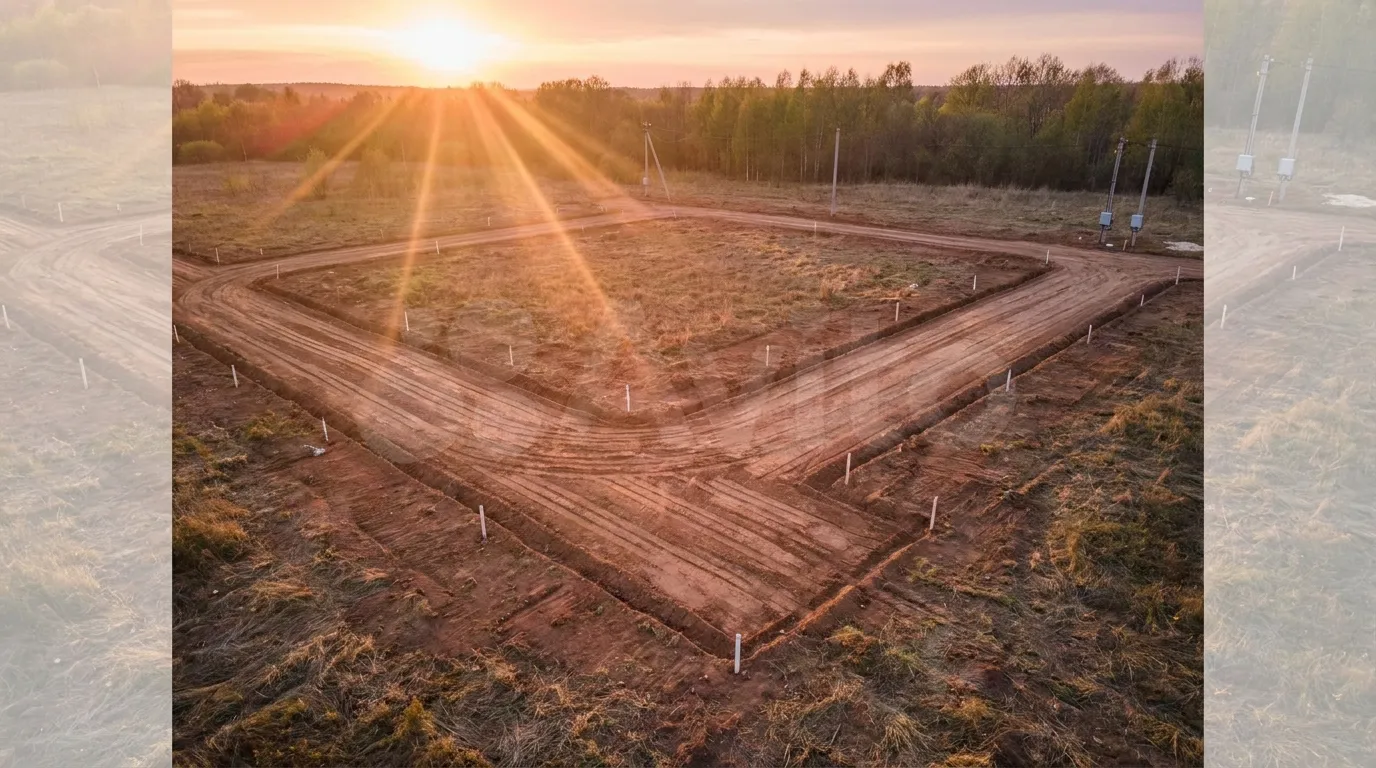
Conclusion
Purchasing land for a mobile home is a rewarding opportunity if approached with research and planning. As highlighted, the right state can make all the difference by providing affordability, favorable zoning laws, low property taxes, and a climate that supports long-term comfort. States like Arkansas, Mississippi, and Texas are excellent for those seeking affordable land with minimal restrictions, while places like Florida and Arizona offer additional perks like warm climates and off-grid living potential.
However, location is just one part of the equation. Buyers need to carefully evaluate individual properties, considering factors such as zoning compliance, road access, utility availability, and clear property titles. These details are crucial to avoiding unexpected challenges and ensuring a smooth setup for your mobile home. Whether you prefer the independence of private land or the convenience of a mobile home park, knowing what to look for will save time and money.
Budgeting also plays an important role in the process. Beyond the land purchase, buyers should plan for utility hookups, permitting fees, and transport costs for their mobile home. Negotiating fair terms and exploring flexible financing options can further simplify the process and keep costs manageable.
For those seeking expert assistance, Sekhem Capital Holdings offers valuable support in finding and purchasing the best land for manufactured homes. Their team can guide you through property searches, due diligence, financing options, and even streamline the closing process.
By thoughtfully evaluating your needs and available options, you can find the perfect land to place your mobile home while creating a comfortable and affordable living space. If you're ready to take the next step, consider reaching out to Sekhem Capital Holdings for personalized guidance tailored to your goals. For further insights and tips, explore the helpful resources on their blog.
Finding the best land for mobile homes involves more than just scanning listings. Factors like state regulations, cost per acre, weather, and property taxes can significantly impact your long-term satisfaction. These key takeaways guide you toward choosing the right state for affordable and mobile home-friendly land ownership, ensuring a well-informed decision.
Choose states with mobile home-friendly zoning: Some states make it easier to place manufactured homes by allowing flexible zoning and fewer land-use restrictions.
Consider cost per acre for better affordability: States such as Arkansas, Mississippi, and West Virginia often offer some of the lowest land prices for mobile home placement.
Factor in property taxes for long-term savings: States like Tennessee, South Carolina, and Alabama have low property taxes that can reduce ongoing costs for mobile home owners.
Find states with mild weather for less seasonal stress: Regions with mild climates, like Florida and Texas, may reduce the risk of damage from extreme weather events.
Review state regulations for ease of ownership: States like Texas and Arizona have fewer restrictions on mobile home setups, offering flexibility in land use.
Explore financing options for land and mobile home purchases: Some states have available programs combining land and mobile home loans for convenience and lower upfront costs.
Compare private land ownership to mobile home parks: While parks offer amenities, owning private land gives you freedom and avoids ongoing park fees.
By understanding these critical factors, you can better prioritize your needs and identify the best states to buy land for mobile homes. In the next section, we’ll highlight top locations and additional tips for evaluating prospective properties.
Find the Perfect Land for Your Mobile Home Today
Choosing the ideal location for your mobile home is a big decision—but you don’t have to do it alone. At Sekhem Capital Holdings, we specialize in helping buyers like you discover affordable, mobile-home-friendly land in states that match your priorities.
Affordable options: We can guide you to properties that suit your budget.
Flexible zoning: Find land with favorable regulations for mobile homes.
Expert guidance: Our team simplifies the buying process step by step.
Stress-free closing: We help ensure smooth transactions from contract to closing.
Don’t wait—the perfect property is waiting for you. Contact Sekhem Capital Holdings today to explore your options!

Frequently Asked Questions
Quick answers about how we help out.
How do I sell my land fast?
To sell your land quickly, ensure it's priced appropriately by considering factors like location, access, and zoning. Market it effectively through online listings and local connections. Offering a competitive price and being open to negotiation can attract more buyers. Contacting a reputable land-buying company like Sekhem Capital Holdings can also speed up the process. For assistance, visit our website to discuss your specific needs.
Is it better to sell land with a realtor or to a land-buying company?
Selling land through a realtor allows for a broad market reach but can take longer due to traditional sales processes. A land-buying company offers a quicker, more streamlined process with fewer contingencies. Evaluate your time constraints and the complexity of your land’s condition when making a decision. Sekhem Capital Holdings can provide insights into which method might be best for your situation.
What is my vacant land worth, really?
The value of vacant land is influenced by location, size, zoning, and available utilities. Road access and market demand also play a role. Sekhem Capital Holdings evaluates these factors and can offer a fair price based on current market conditions. For a precise assessment, you can request an offer on our website.
What affects the value of vacant land?
Vacant land value depends on several factors, including location, acreage, and zoning regulations. Other considerations are road access, utility availability, title status, and local market demand. Understanding these elements can help you set a realistic price. For a detailed evaluation, consult with Sekhem Capital Holdings.
Can I sell land that has unpaid property taxes?
Yes, you can sell land with unpaid property taxes, but it may complicate the transaction. It's often necessary to resolve outstanding taxes during the closing process, which might affect the net proceeds. Working with a knowledgeable land-buying company like Sekhem Capital Holdings can simplify the procedure and ensure compliance with any legal requirements.