Optimized Financial Strategies: Understanding the Impacts of Partial Property Sales
Sekhem Capital Holdings
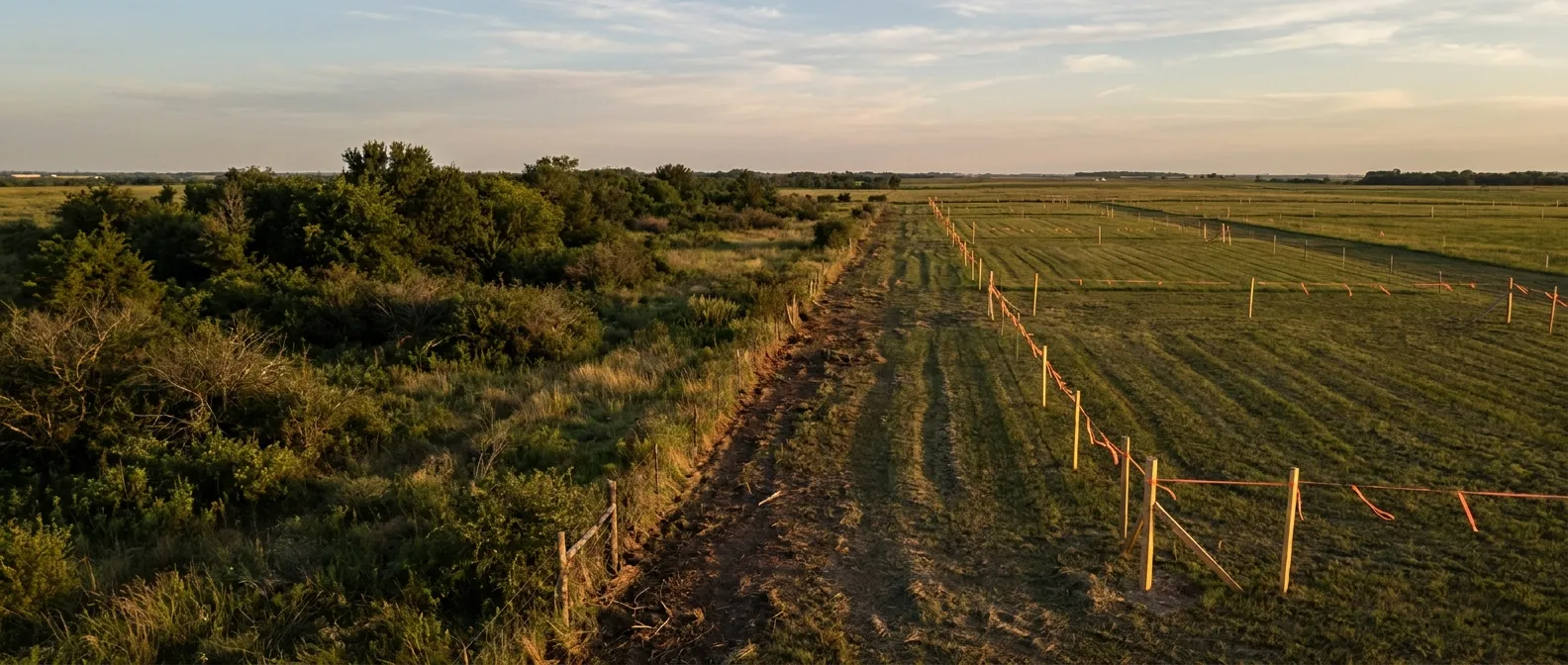
Selling part of your property might seem like an easy way to unlock quick cash, but the decision carries financial consequences that often go unnoticed. A partial property sale can reduce your ownership control, impact the value of your land, and complicate future plans for development or resale. If you’re considering this route, understanding the financial impact of partial property sales is critical to protecting your long-term interests.
Landowners often pursue partial sales to address immediate needs, such as liquidity or debt reduction. However, splitting ownership through a partial sale introduces potential risks, including fragmented legal rights, shared decision-making, and tax implications like capital gains liability. In many cases, the remaining property becomes harder to market, and its value may decline due to divided ownership or restrictions placed on its use.
Whether you’re selling a piece of inherited land, subdividing rural property, or liquidating a portion of your holdings for financial flexibility, the way you structure the deal matters. By assessing tax strategies such as a 1031 exchange, adjusting for valuation complexities, and understanding how shared ownership affects property control, you can avoid costly mistakes and make decisions that align with your goals.
In the sections ahead, we’ll explore these key factors in detail, helping you weigh the immediate benefits of selling part of your property against the long-term risks. To learn more about selling your property effectively or maximizing its value, visit Sekhem Capital Holdings for trusted guidance and support.
The Financial Impact of Selling Part of Your Property
What is a Partial Property Sale?
A partial property sale involves selling a specific portion of a property while retaining ownership of the remaining land. This could mean subdividing a lot, selling parts of a rural acreage, or transferring a portion of inherited land. Unlike a complete sale, a partial property sale allows landowners to generate needed income while keeping some control over their original property.
Landowners typically pursue a partial property sale for a variety of reasons. Many individuals choose this route to meet short-term financial needs, such as paying off debt, funding a business venture, handling medical bills, or reinvesting in other real estate. Others consider it as a way to monetize unused or underutilized land.
However, selling part of your property is not as straightforward as selling the entire parcel. It often requires changes to legal property boundaries, zoning permissions, or ownership agreements. For instance, you may need to divide a parcel of land through subdivision approval, comply with zoning laws, or negotiate shared ownership terms for essential features like roads and utilities. Each of these steps impacts the financial and legal outcome of the sale.
Whether you’re selling a large portion or just a small strip to a neighbor, remember that the process will affect your property classification. Additionally, selling any portion of land divides ownership rights, which can introduce new complexities if co-ownership is involved.
When navigating the intricacies of a partial property sale, you need to plan carefully. Taking the right approach ensures you maximize benefits while minimizing complications down the line.
Short-Term vs. Long-Term Financial Implications
Immediate Liquidity and Financial Relief
One of the most enticing reasons for selling part of your property is the opportunity to gain immediate financial relief. A partial property sale can convert a portion of underutilized land into cash, providing funds to cover emergencies, reduce debt, or even finance new investments.
For example, a rural property owner with unused acreage may sell part of the land to generate income for farming equipment or home repairs. Similarly, inherited property owners might consider a sale to pay for property taxes or split the inheritance more equitably among heirs. In many such cases, the decision to sell part of the property is a practical solution to an urgent need for cash.
However, while this can be an effective way to meet short-term financial goals, landowners must also weigh the broader long-term impact of selling a portion of their property.
Long-Term Risks to Property Value and Marketability
Selling part of your property can have significant long-term implications on its overall value and marketability. Fragmenting a property often complicates future sales. For example, potential buyers might find divided ownership interests less appealing due to the complexities of road access or shared use agreements.
Consider how a "partial interest property" often carries less value on the market. This is because a property divided into smaller lots may lose its original appeal or utility, such as spacious open land for recreational or agricultural purposes. Selling part of a property, especially without careful planning, could reduce the desirability and functionality of the remaining land.
Additionally, challenges such as disputes over road access rights or co-ownership of utilities can arise. Marketing and appraising such properties becomes more complicated, as it may require professional assessments to fully understand the value of the divided land and any attached obligations.
For landowners concerned about these potential drawbacks, balancing liquidity needs while protecting long-term value requires careful planning. Learn more about ways to sell your property fast for the best price with proper preparation.
Ownership and Control After Selling Part of Your Property
Loss of Full Control Over the Property
Selling part of your property means giving up some control over how it is used. Property ownership in its fullest form is referred to as a "fee simple title," which grants the owner complete control over the property's usage, transfer, and development. Along with this title comes what is often called the "bundle of rights,” a legal term encompassing the right to lease, sell, develop, or restrict others from accessing the land.
A partial property sale divides this control, with the buyer receiving their own set of rights over the sold portion. Depending on the sale agreement and jurisdiction, you might need to collaborate with the new owner on maintenance, development, or other shared interests. For example, selling a part of a rural property that relies on shared road access can lead to disputes over upkeep costs or access restrictions.
In extreme cases, disagreements among co-owners can interrupt future transactions altogether. Imagine two parties owning a divided property but disagreeing on whether to sell their combined holdings. Such challenges show how divided ownership can reduce autonomy and complicate decision-making.
Legal and Financial Risks of Divided Ownership
The legal risks of co-ownership or divided land are another major factor to consider. Partial ownership arrangements often require legally binding agreements to outline the rights and responsibilities of each party. Without clear agreements, disputes can arise about property boundaries, use of shared resources, or even future resale plans.
Additionally, co-ownership agreements can delay land sales, especially if disputes are not resolved quickly. Disputes over legal liability for maintenance, environmental concerns, or tax payments can reduce your property's overall profitability.
For those splitting ownership or transferring part of their land, consulting an expert is crucial to address these risks in advance. Trustworthy buyers such as Sekhem Capital Holdings can help clarify potential pitfalls.
Future Development and Profitability Concerns
Ownership concerns do not end with legal disputes. Selling part of your property can also limit future development opportunities. For instance, if your sold portion contains utilities, road access, or zoning permissions crucial for developing your remaining land, you might face increased costs or fewer options down the line.
Leaseholders or investors on the sold portion might also block future improvements or sale attempts if their interests are at odds with your plans. These risks make it important to carefully evaluate your goals before committing to a partial sale.
Tax Implications of Partial Property Sales
Capital Gains Taxes and Taxable Events
When selling part of a property, the sale is treated as a taxable event. Capital gains taxes typically apply to gains earned from the sale of the divided land, calculated by subtracting its basis (original cost adjusted for improvements or depreciation) from the sale price. However, these calculations differ from a full property sale due to the partial nature of the transaction, which can complicate tax reporting.
For example, selling a small subdivision of rural acreage requires detailed documentation to calculate the applicable gains specific to the sold portion. Failure to comply with tax regulations or underestimating the tax burden can create costly issues.
Leveraging 1031 Exchange Opportunities
One way to minimize tax burdens after a partial property sale is by using a 1031 exchange. This option allows landowners to defer capital gains taxes by reinvesting the proceeds into another "like-kind" property. Eligibility for this process depends on several factors, such as the type of property sold and whether the reinvestment occurs within specified timelines.
If you’re exploring tax-deferral strategies, you can contact Sekhem Capital Holdings to discuss your options. Taking advantage of legal resources like a 1031 exchange can significantly alleviate the financial impact of taxes.
Property Value and Marketability Factors
Difficulty in Valuing Partial Interests
Appraising a property with divided ownership or partial interests can be complicated. Common valuation methods consider not just land area but also access rights, zoning, and the marketability of the remaining property. For example, the market may only assign reduced value to partial interests when restrictions or shared ownership reduce appeal to buyers.
Zoning, Access, and Utilities
Zoning laws, utility availability, and road access each play a major role in determining the value of land being sold. Selling a portion of your property without sufficient infrastructure or access could lead to longer closing timelines or lowered offers. Valuation is often higher when you address zoning or access hurdles before listing the lot for sale.
Making an Informed Decision: Weighing the Pros and Cons
Benefits of a Partial Property Sale
Selling part of your property provides flexibility. It allows you to retain ownership of some land while resolving urgent financial needs or funding new ventures. This type of sale also avoids full detachment from land with sentimental or strategic value.
Drawbacks and Risks to Consider
On the flip side, risks such as lower long-term valuations, partial interest challenges, and higher taxes need to be factored in. These drawbacks require careful planning to minimize impact.
When a Partial Sale May Make Sense
Partial sales often make sense in situations like estate division, foreclosure avoidance, or when the owner's financial goals align with retaining part of the property’s use and value.
Practical Steps to Sell Part of Your Property Effectively
To sell part of your property effectively, follow these actionable steps:
Consult a professional appraiser to determine the accurate value of the portion being sold.
Review local zoning laws and assess any required property boundary adjustments.
Plan for potential tax implications and consult a tax advisor to explore options like a 1031 exchange.
Formalize the sale with legally clear documentation to address ownership rights, shared access, and utilities.
For further assistance with selling your property, contact Sekhem Capital Holdings for expert support and guidance.

Conclusion
Selling part of your property can be an effective way to address financial needs while maintaining ownership of the remaining land. By transforming unused portions of your property into immediate liquidity, you can manage debts, fund investments, or handle unexpected expenses. However, this decision comes with legal, financial, and practical considerations that affect both short- and long-term outcomes.
For landowners considering a partial property sale, understanding the potential challenges is crucial. Adjusting property boundaries, complying with zoning laws, and negotiating ownership agreements can significantly impact the success of the sale. In the long term, divided ownership may reduce your remaining property’s value, limit development options, or create conflicts over shared access and utilities. These risks emphasize the importance of careful planning and expert guidance.
The financial implications also deserve close attention. While a partial sale provides cash quickly, it may trigger capital gains taxes or create appraisal and marketability complications. Exploring strategies like 1031 exchanges can help minimize the tax burden, but only if executed correctly and within IRS guidelines.
Despite the hurdles, a partial property sale can offer considerable benefits when handled strategically. It allows landowners to retain some control over their property while achieving financial goals, such as resolving inheritance disputes, funding new opportunities, or preventing foreclosure. The key to success lies in thorough preparation, including accurate appraisals, clear legal documentation, and thoughtful evaluation of both immediate and long-term impacts.
Whether you are selling part of a rural acreage, subdividing a lot, or dividing inherited property, partnering with a trusted resource like Sekhem Capital Holdings can simplify the process and help you navigate potential risks. By leveraging their expertise, you can make informed decisions that align with your needs and ensure a smooth transaction.
If you’re ready to explore your options, take the next step by contacting Sekhem Capital Holdings for professional support. With careful planning and the right resources, a partial property sale can become a practical solution that meets your financial objectives while protecting your long-term interests.
Selling part of your property might seem like a quick financial solution, but it brings various short-term and long-term implications. From understanding property valuation to potential loss of control, these key takeaways will help you navigate the financial impact of partial property sales more effectively.
Understand how partial sales reduce ownership control: Selling a portion of your property can limit your decision-making rights and complicate future changes to your land.
Partial ownership impacts property marketability: Remaining property shares may become harder to sell due to divided ownership or co-owner conflicts.
Immediate liquidity comes with long-term risks: While a partial sale provides quick cash, it can diminish your overall property value and future profit potential.
Tax implications can be significant: Partial property sales may trigger capital gains taxes, altering your final financial outcome unless properly planned.
Fee simple title becomes fragmented with partial sales: Selling part of your property divides your legal rights (bundle of rights) and could impose use restrictions.
Future development decisions may become complicated: Co-owners or leaseholders might delay or block improvements or sales of the remaining property.
Valuation of partial interests can be tricky: Property with shared ownership is often valued lower due to reduced control and limited buyer demand.
Consider 1031 exchange opportunities: A partial sale might qualify for tax deferral through a 1031 exchange, providing a way to reinvest without immediate tax liabilities.
Legal issues of divided ownership need attention: Clearly define rights and responsibilities to avoid disputes with new co-owners or investors.
By considering these critical factors, property owners can weigh the benefits and drawbacks of selling part of their property. In the sections ahead, we will delve deeper into tax strategies, valuation methods, and long-term planning to aid informed decision-making.
Ready to Simplify Your Partial Property Sale?
Selling a portion of your property can feel overwhelming, but it doesn’t have to be. At Sekhem Capital Holdings, we specialize in helping landowners navigate the complexities of partial sales with confidence and ease. Whether you're looking to resolve financial challenges or maximize the value of unused land, we’re here to make the process seamless.
Fair and straightforward offers tailored to your specific property.
Comprehensive guidance through property division, zoning, and legal steps.
Fast and transparent process—from consultation to closing.
Expert advice to help you protect the long-term value of your remaining land.
Don’t let the complexities of a partial sale stand in your way. Contact Sekhem Capital Holdings today and take the first step toward achieving your goals.

Frequently Asked Questions
Quick answers about how we help out.
How can I sell my land fast without using a realtor?
To sell your land quickly without a realtor, consider selling directly to a land-buying company. This option often reduces the time it takes to market and close a sale. Ensure your land is ready for sale by gathering necessary documents, such as title deeds and zoning information. Sekhem Capital Holdings can evaluate your property and provide a fast cash offer. Contact us for an immediate evaluation.
Who buys vacant land for cash and how do I find them?
Cash buyers for vacant land include investment companies and private buyers. To find them, look for companies that specialize in quick land purchases, like Sekhem Capital Holdings. These buyers often have streamlined processes, making sales quick and efficient. Verify their reputation by checking reviews and their track record in the industry.
Can I sell inherited land without going through a realtor, and what’s the fastest route to close?
Yes, you can sell inherited land without a realtor by working with a land-buying company. This can expedite the sale, as these companies often handle necessary paperwork and streamline the closing process. Make sure all inheritance documentation is in order. Reach out to Sekhem Capital Holdings for a fast assessment and offer.
What documents do I need to have in order to sell land quickly?
To sell land quickly, you need a clear title, any inheritance documents (if applicable), zoning information, and utility access details. Having these ready can expedite the sale process by ensuring all legal and logistical requirements are met. Contact Sekhem Capital Holdings to get a personalized checklist for your property sale.
How long does it typically take to sell vacant land for cash?
The timeline to sell vacant land for cash varies based on factors like market demand, location, and property condition. While direct sales to land-buying companies can be quicker, ranging from days to a few weeks, always verify the company’s reputation to ensure a smooth transaction. Sekhem Capital Holdings offers timely evaluations and can provide a swift offer.